

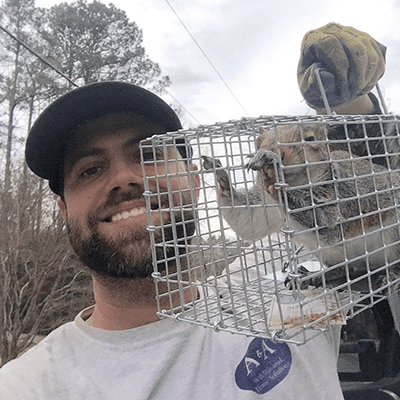
Squirrels can become a serious problem when they move from surrounding trees onto residential roofs and into protected areas of a home. A&A Wildlife & Home Solutions provides professional squirrel removal with attention to both active wildlife and the home’s vulnerable areas.
A&A Wildlife and Home Solutions focuses on addressing squirrel activity while considering how the animals accessed the structure in the first place. As a result, this helps homeowners move beyond the immediate nuisance and toward a more complete wildlife solution.
Because of Milton's extensive tree canopy, squirrels have access to food, cover, and natural travel routes that can bring them close to residential properties.
Additionally, many Milton homes are surrounded by mature landscaping and wooded areas, giving squirrels natural habitat within close range of houses and rooftops.
Furthermore, Milton protects substantial natural areas and greenspace, including wooded parks and preserves that support wildlife habitat throughout the community.
Meanwhile, changes in weather and available food can influence squirrel movement as they search for dependable resources and sheltered surroundings near residential areas.
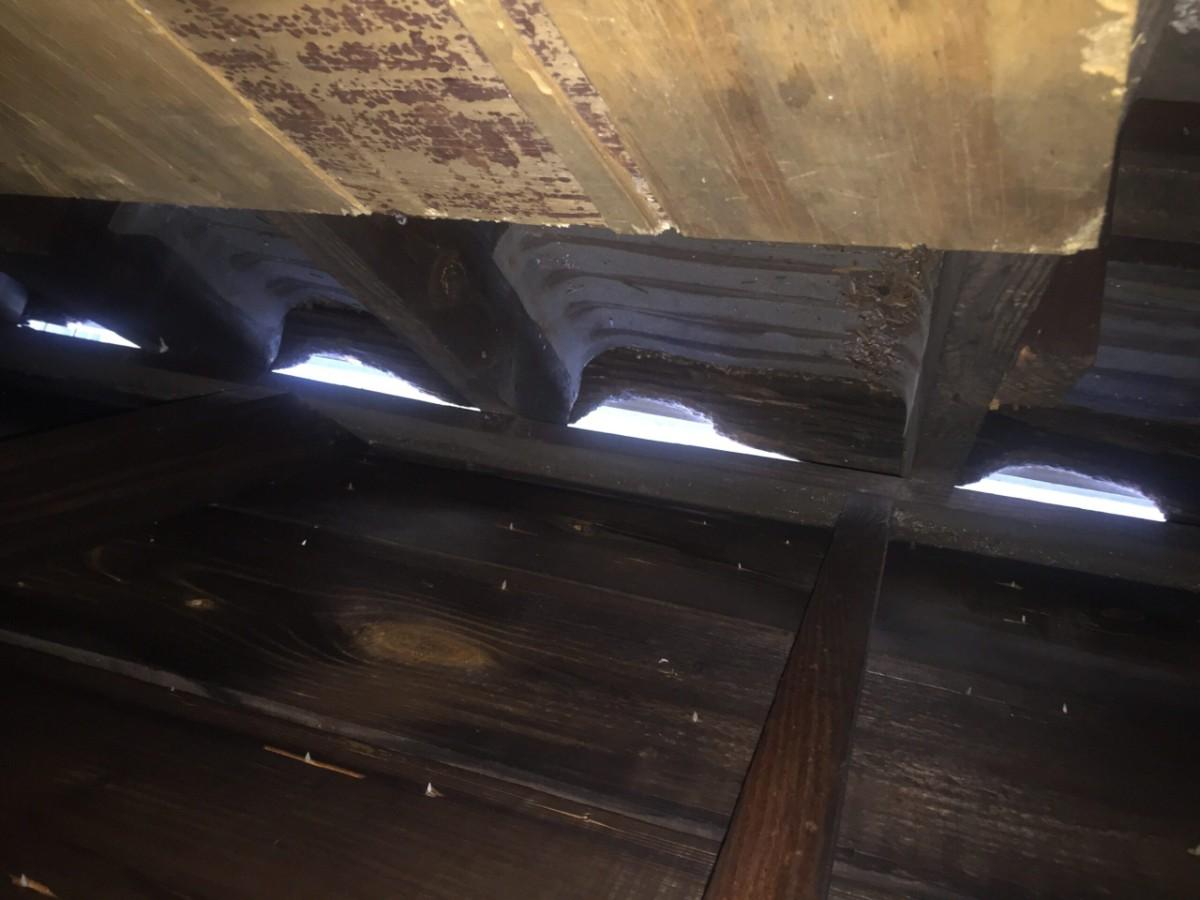
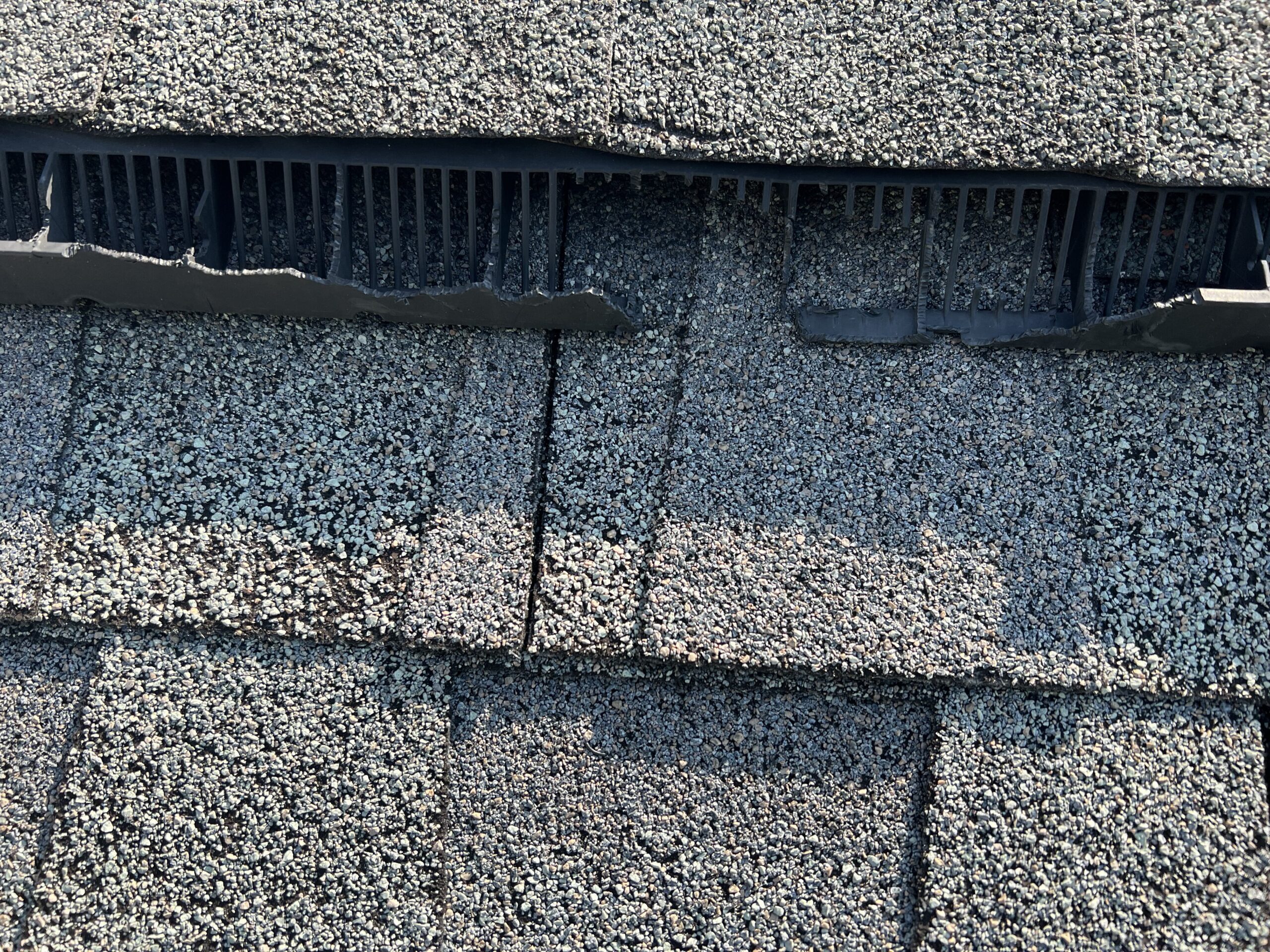
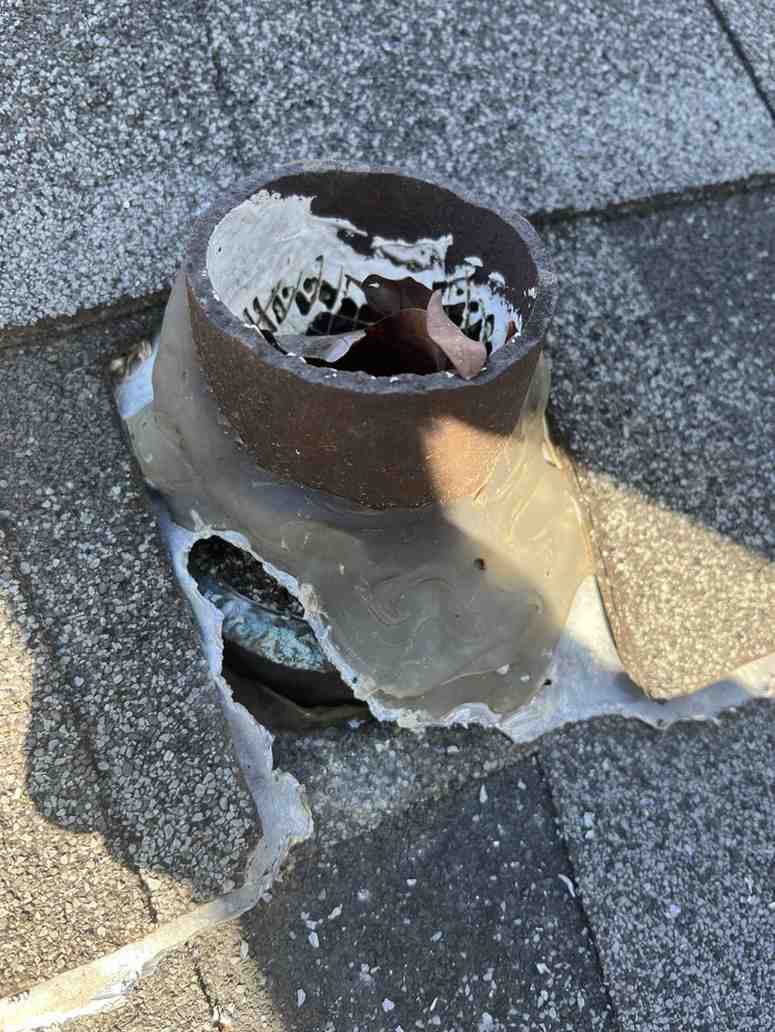
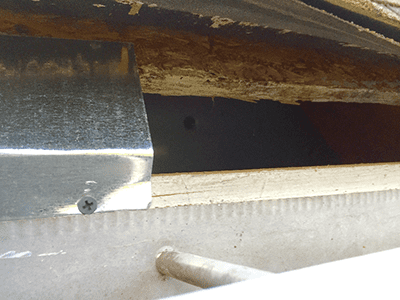
The home is evaluated for squirrel activity, nesting evidence, damage, and potential access points around the roofline and exterior.
Appropriate squirrel removal methods are used to address active animals while considering the safety of the occupants and surrounding property.
After active squirrel activity is addressed, vulnerable openings can be sealed or protected to help prevent the animals from returning through the same access routes.
If squirrels have damaged insulation, wiring, soffits, fascia, or other areas, restoration can address the affected portions of the home.
Squirrel nesting can leave attic areas disturbed or contaminated, creating a need for professional restoration after removal.
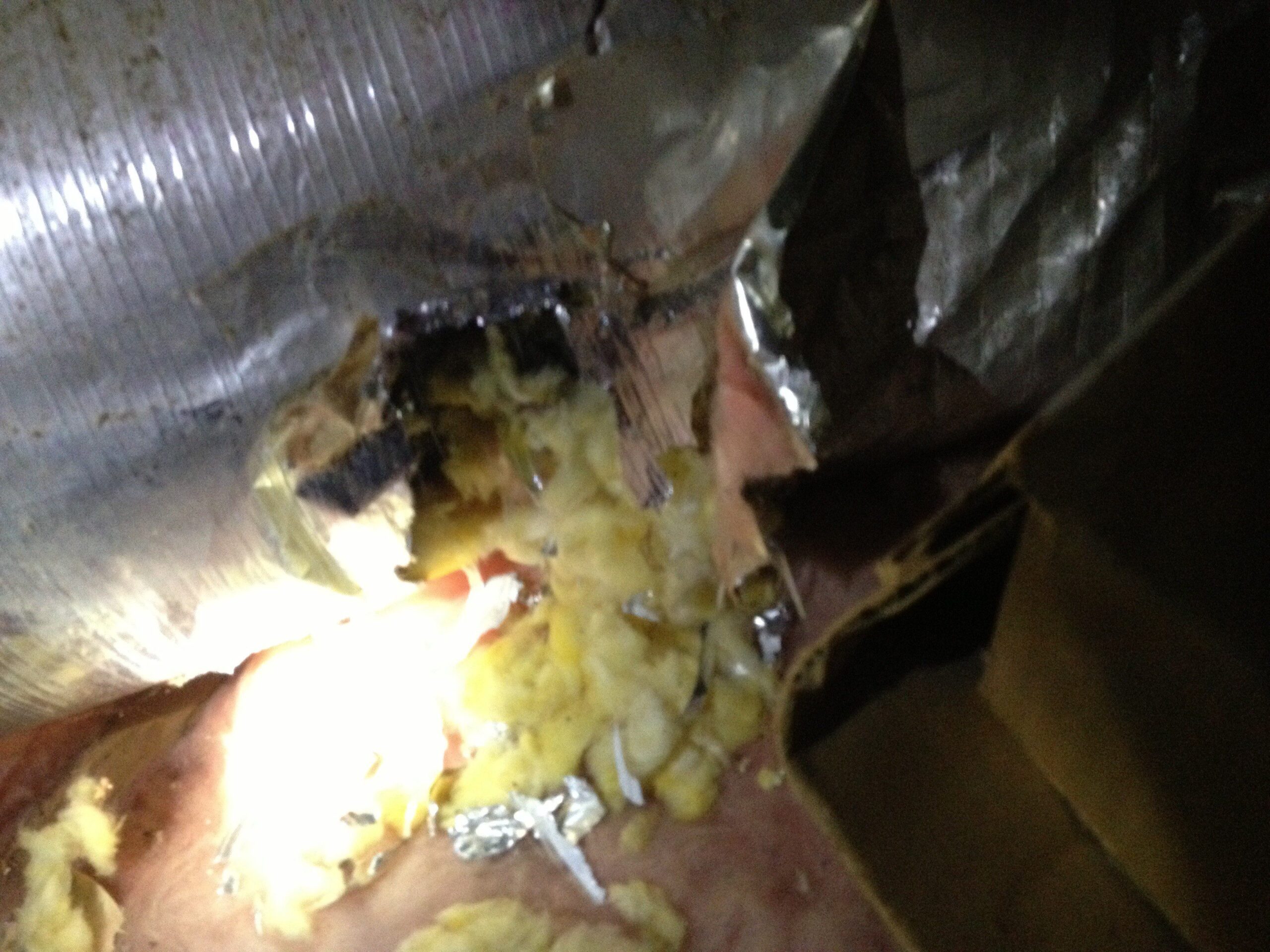
Damaged, disturbed, or contaminated insulation may need to be removed and replaced after squirrel activity.
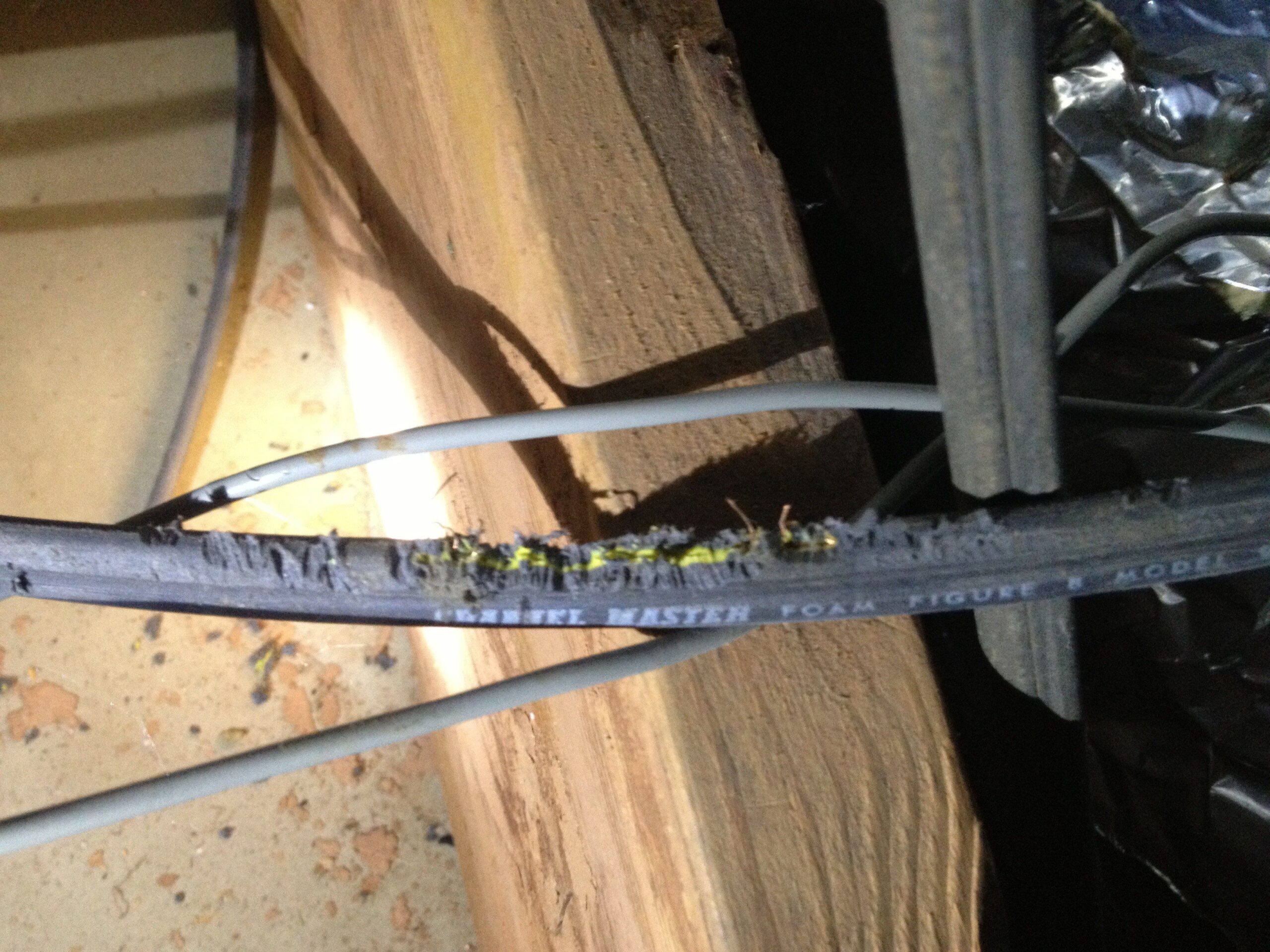
Squirrels can damage exterior and interior materials through chewing, nesting, and repeated access to the structure.
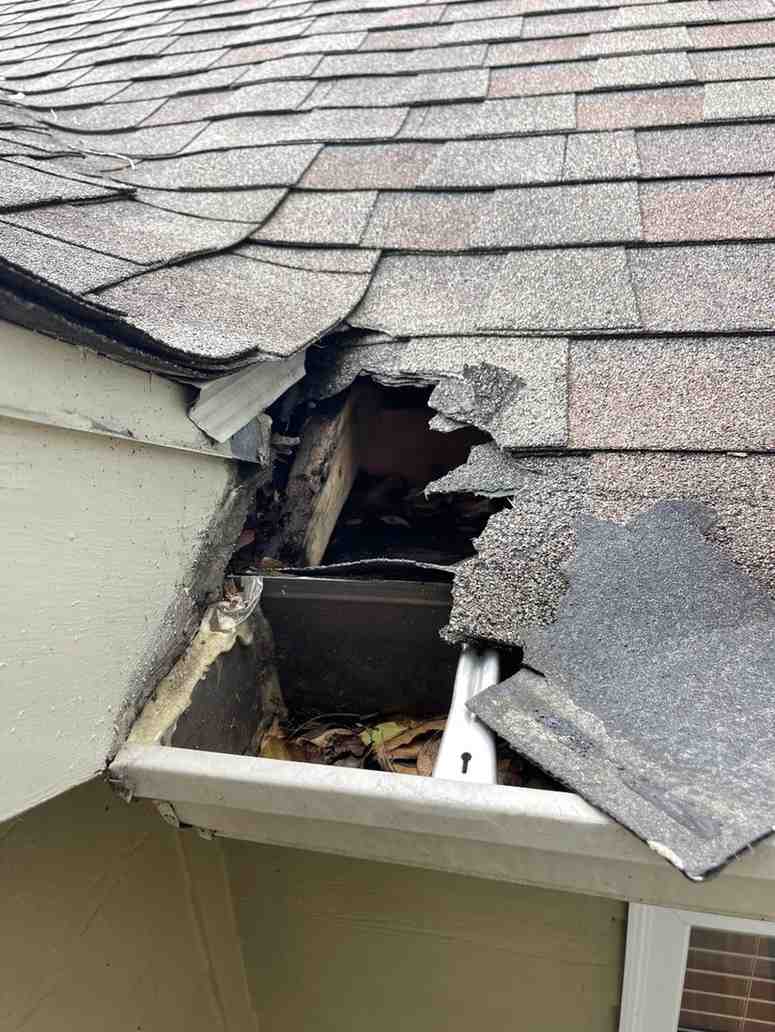
Damaged soffits or fascia may require repair when squirrels have used these areas to access protected parts of the home.
A&A understands squirrel behavior, nesting patterns, and the ways wildlife can interact with residential structures.
Rather than addressing only active squirrel activity, A&A can also address vulnerable access points that may allow wildlife to enter the home.
When squirrel activity affects insulation, soffits, fascia, siding, or other areas, A&A can address related restoration needs.
A&A serves Milton homes surrounded by mature trees, established communities, newer development, and the city's extensive natural and protected spaces.
Scratching sounds, chewing noises, nesting material, damaged insulation, droppings, and repeated roof activity can indicate squirrels are using an attic or roof area.
Yes. Squirrels can use nearby trees and climb onto roofs before entering through openings around soffits, fascia, siding, roof materials, or vents.
Removing squirrels without addressing accessible openings can leave the home vulnerable to continued wildlife entry. Exclusion helps address those access points.
Yes. Squirrels may chew insulation from electrical wires while nesting or moving through an attic. Damaged wiring should be professionally evaluated.
Not always. However, damaged insulation, nesting debris, or other affected attic materials may require cleanup, repair, or replacement after squirrel activity is addressed.
Ready to get rid of the nuisance wildlife that’s been damaging your home and keeping you up at night? You’ve come to the right place.
© 2026 A & A Wildlife & Home Solutions