We perform a detailed attic inspection to identify wildlife damage, contaminated insulation, structural concerns, and every active or previous animal entry point before restoration begins.
Animal droppings, nesting materials, damaged insulation, and contaminated debris are carefully removed to create a cleaner, safer attic before repairs begin
After contaminated materials are removed, we thoroughly clean, disinfect, and sanitise affected attic surfaces to eliminate wildlife contamination before restoration work continues.
Damaged insulation is replaced, necessary repairs are completed, and a final inspection verifies your attic is properly restored, secure, and ready for long-term protection.
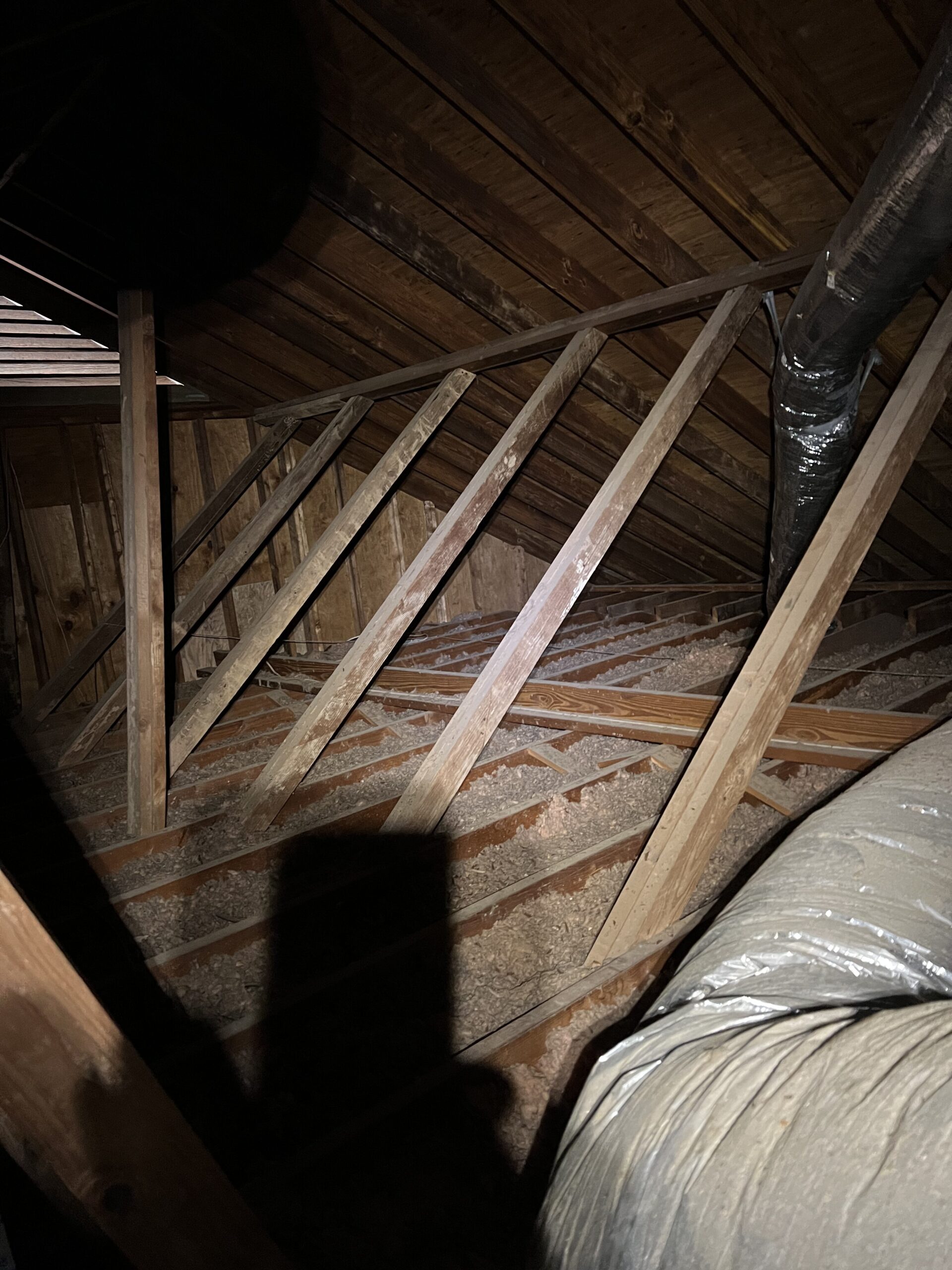
Bat guano accumulates and attracts insects.
Even after bats have been safely excluded, guano remains inside the attic and continues creating health hazards. As long as contamination remains, the attic continues attracting insects and increasing the risk of future wildlife activity.
Raccoons return to familiar den sites.
Removing a raccoon doesn’t eliminate the urine, nesting material, or lingering odors it leaves behind. Unless those attractants are removed, other raccoons may continue identifying the attic as a safe den site.
Rodents reproduce quickly and contaminate everything.
Trapping a few rodents rarely solves the problem because droppings, urine, nesting materials, and entry points remain. Consequently, new rodents can continue entering and contaminating the attic.
Squirrels leave behind urine and nesting debris.
Removing squirrels is only the first step. Lingering odors, nesting materials, and damaged insulation continue attracting wildlife, making repeat squirrel activity far more likely if the attic isn’t fully restored.
Wildlife causes damage that general contractors often overlook. Our team understands how animals affect insulation, structural components, and indoor air quality, allowing us to restore your attic safely and completely.
We use professional HEPA filtration equipment to capture airborne contaminants while EPA-approved disinfectants help eliminate bacteria, viruses, and odor-causing organisms throughout the restoration process.
From contaminated insulation removal and attic sanitization to structural repairs and new insulation installation, we complete every stage of your attic restoration under one roof without the need for multiple contractors.
Every attic restoration project is completed using proven restoration methods and backed by dependable workmanship warranties, giving you confidence that your attic remains protected long after the work is finished.
As a locally owned company, we understand the wildlife challenges North Georgia homeowners face throughout the year. Our team delivers responsive attic restoration solutions designed specifically for local homes, wildlife species, and regional climate conditions.
Most attic restoration projects are completed within one to two days, depending on the amount of contamination, insulation replacement, and any structural repairs. During your free inspection, we’ll assess the condition of your attic and provide a clear timeline before any work begins.
Yes. In most cases, homeowners can remain in their homes while we complete the restoration. Our team uses professional containment methods, HEPA filtration equipment, and safe cleaning procedures to minimize disruption while protecting your indoor environment.
If you use your attic for storage, we recommend removing personal belongings before work begins. This helps protect your items and allows our technicians to clean, sanitize, and restore every affected area more efficiently.
The sooner, the better. Even after wildlife has been removed, droppings, urine, nesting materials, and damaged insulation continue affecting your home’s air quality. Prompt restoration helps prevent odors, contamination, and additional structural damage.
The best insulation depends on your home’s construction, energy goals, and local building requirements. During your inspection, we’ll recommend the most suitable insulation option to improve energy efficiency, indoor comfort, and long-term performance.
Yes. During the inspection, we’ll check for signs of mold, moisture intrusion, and water damage. If additional remediation is required, we’ll explain the findings and recommend the appropriate solution before restoration begins.
Ready to get rid of the nuisance wildlife that’s been damaging your home and keeping you up at night? You’ve come to the right place.
© 2026 A & A Wildlife & Home Solutions