Nocturnal – You hear them at night, not during the day.
Colonial – They live in groups, not alone.
Gliders – They can access your roof from trees 20–30 feet away.
Food hoarders – They stash acorns and nuts in your insulation, attracting insects.
Our methods address all these unique challenges.
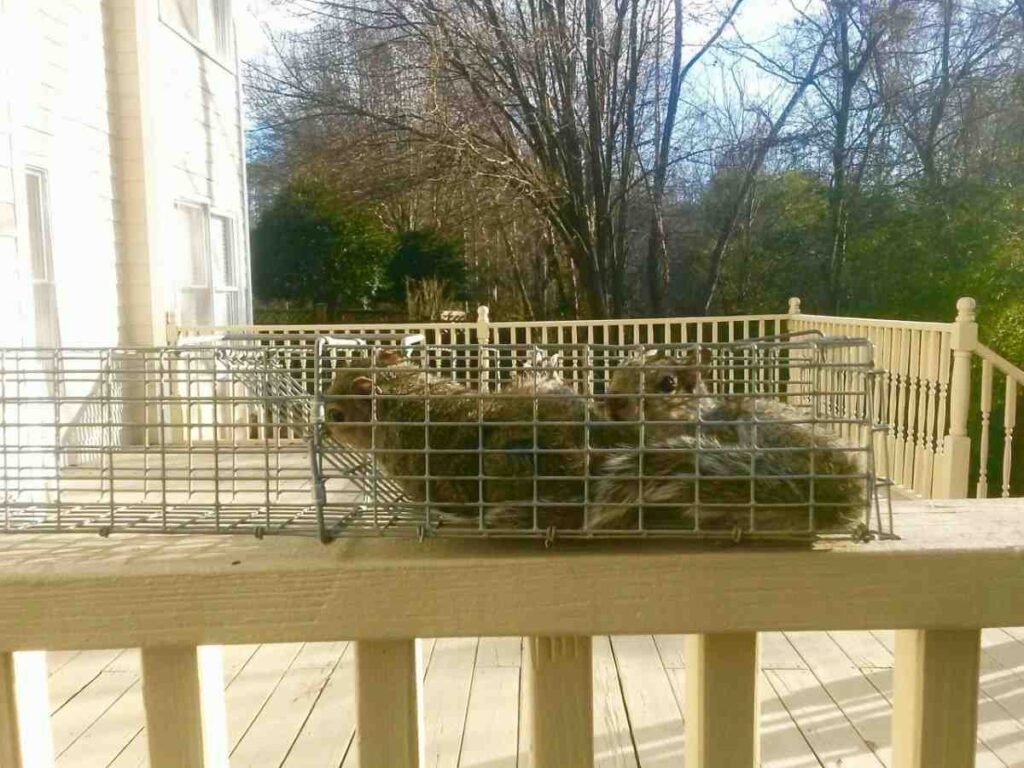
Flying squirrels are social creatures that live in colonies. Removing just one or two will not solve the problem – the rest of the colony remains. We use species-specific, humane methods to exclude the entire colony at once.
Our technicians:
Perform a thorough inspection of your roofline, soffits, fascia, vents, and chimney to identify all entry points (flying squirrels can squeeze through a gap as small as 1½ inches).
Determine the colony size (typically 5–20 individuals) by listening for vocalizations and examining droppings.
Install one‑way exclusion doors (exclusion funnels or tubes) at all primary entry points. Flying squirrels exit at dusk to forage and cannot re-enter.
Use multiple exclusion devices on larger colonies to ensure complete evacuation.
Never use poisons or snap traps – poison leads to dead animals in walls, and snap traps are inhumane and ineffective against colonies.
Monitor the colony over several nights to confirm full evacuation before sealing.
We comply with all Georgia DNR regulations for nuisance wildlife.
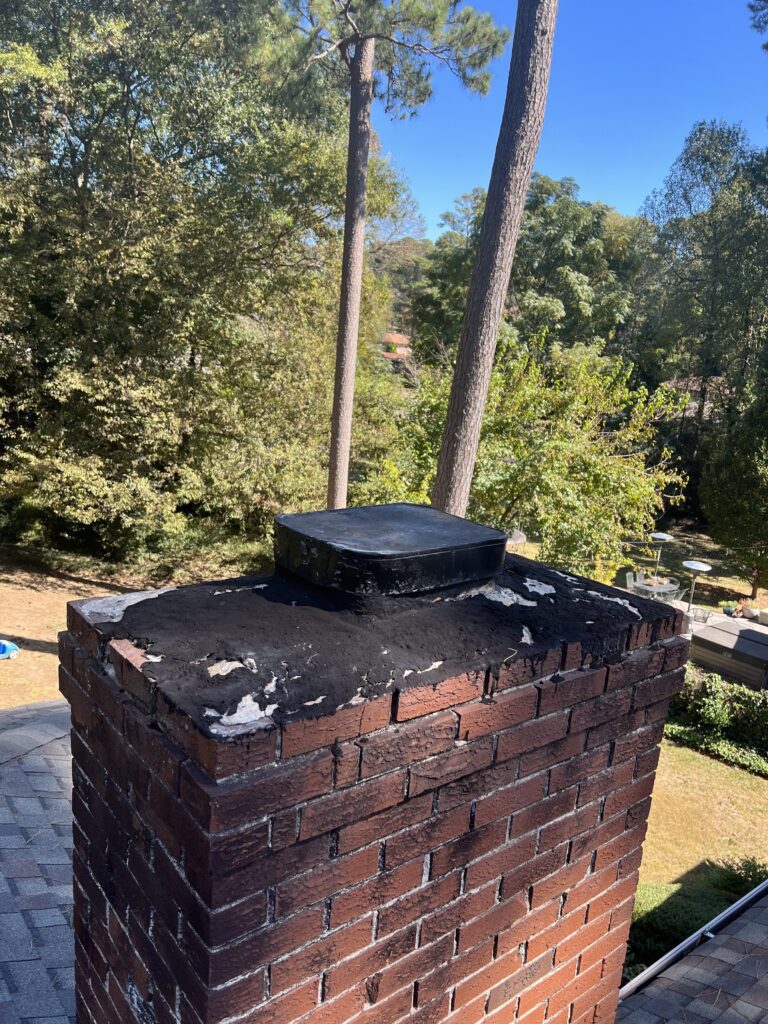
After the colony has been excluded, we permanently seal every potential entry point on your home’s exterior using professional-grade, squirrel-proof materials:
Galvanized steel mesh (heavy gauge) over attic vents, gable vents, soffit vents, and crawlspace vents.
Copper mesh + expanding foam for small cracks, pipe penetrations, and gaps in siding.
Roofline flashing repairs where flying squirrels enter at roof intersections.
Soffit and fascia sealing – flying squirrels often enter where the soffit meets roofline.
Chimney caps to prevent access through flues.
Gutter guard installation to block access through roofline gaps near gutters.
Tree branch trimming to remove overhanging limbs that provide jumping access to the roof.
Result: Your home becomes physically flying‑squirrel‑proof. No future colony can enter.

Flying squirrel colonies leave behind droppings, urine, food caches (acorns, nuts), and parasites – all health hazards. Their urine soaks through insulation, and their droppings can carry leptospirosis and salmonella.
We restore your attic through:
HEPA vacuum removal of all contaminated insulation, droppings, food caches, and nesting debris.
Hospital‑grade disinfectant fogging to kill bacteria, viruses, and odors.
Parasite control for fleas, ticks, mites, and lice that flying squirrels carry.
New insulation installation (fiberglass or spray foam) to restore energy efficiency.
Odor neutralization to eliminate ammonia smells from urine.
Structural damage repair for chewed wood, wiring, or drywall.

Flying squirrels cause damage that must be professionally repaired:
Chewed electrical wiring – Fire hazard, requires replacement.
Chewed wood framing and drywall – Especially around entry points and nesting areas.
Insulation destruction – Urine and droppings saturate and compress insulation.
HVAC duct damage – Flying squirrels sometimes chew through flexible ductwork.
Soffit and fascia repair where entry holes were created.
Nocturnal scratching, chirping, or rolling sounds in the attic – Unlike gray squirrels (daytime), flying squirrels are active after dark. Listen at dusk or late evening.
Soft gliding or fluttering sounds – Flying squirrels do not truly fly; they glide between surfaces, creating soft thuds or fluttering noises.
Small, dark, oval droppings – Flying squirrel droppings are about ¼ inch long, darker than mouse droppings, often found near attic entry points.
Acorn or nut stashes – Flying squirrels hoard food in attics, leaving piles of acorns, hickory nuts, or seeds.
Urine stains and ammonia odor – Persistent musty or ammonia smell from accumulated urine in insulation.
Torn or displaced insulation – Flying squirrels burrow into insulation for nesting.
Small entry holes near roofline, soffits, or vents – Holes about 1½ to 2 inches in diameter, often with gnaw marks.
Unusual pet behavior at night – Dogs or cats staring at the ceiling or acting agitated after dark.
If you notice any of these signs, do not wait. Flying squirrel colonies grow quickly – a single female can produce 2–6 pups per year, and colonies can double in size within months.
Licensed specialist inspects roofline, soffits, fascia, vents, and overhanging trees for colony size, entry gaps, droppings, and scratch marks.
One‑way exclusion doors installed at entry points. Flying squirrels exit at dusk but cannot return. Colony evacuation takes 3–7 nights.
All gaps sealed with steel mesh, copper mesh, and foam. Chimney caps added. Tree branches trimmed to block access.
HEPA vacuum removes droppings, food caches, and nesting debris. Disinfectant fogging kills bacteria. New insulation installed.
Hearing soft scratching and rolling sounds in your attic at dusk or dawn? That is flying squirrel activity – not mice or bats. These social creatures live in colonies of 5 to 20 individuals, gliding from trees to your roofline at night. We dispatch flying squirrel removal technicians daily across Cumming, Suwanee, Alpharetta, Johns Creek, Milton, Buford, Duluth, Roswell, Woodstock, Canton, Gainesville, and surrounding areas.
When you look for “flying squirrel proofing near me” or “attic guano cleanup near me,” you need a team that understands colony behavior. The soffit gaps in Milton homes, the gable vents in Suwanee, or the roofline intersections in Alpharetta – flying squirrels exploit these same entry points across North Atlanta. We know where to look and how to seal permanently.
Our average response for a free flying squirrel inspection is under 90 minutes. No franchises, no call centers. Just local, licensed wildlife specialists who will exclude the entire colony humanely, seal your home completely, and restore your attic with professional decontamination.
Yes. We provide a 100% free, no-obligation inspection that includes a written report with photos of entry points, droppings, food caches, and damage. You only pay when you approve work.
Flying squirrels can enter through small gaps around rooflines, soffits, vents, and other openings. We locate these access points and recommend durable exclusion solutions to help prevent re-entry.
We inspect your attic and roofline for flying squirrel activity, nesting areas, and entry points. We then use appropriate removal and exclusion methods to safely resolve the problem.
Flying squirrel removal typically refers to trapping individual squirrels. Flying squirrel exclusion uses one‑way doors to remove the entire colony at once and then seals entry points permanently. Exclusion is the only effective method for colonial species. We perform exclusion.
No. We never use poisons or inhumane traps. Poison would cause flying squirrels to die inside walls, creating unbearable odors and attracting insects. We use humane one‑way exclusion doors only.
Most flying squirrel jobs take 7–14 days from initial inspection to final sealing. The one‑way exclusion doors remain in place for 5–10 nights to ensure the entire colony has exited. After removal, sealing and attic restoration take another 2–3 days.
Yes. We have extensive experience removing colonies of 20 or more flying squirrels from attics. Our multiple‑exclusion‑door method is designed for colonial species. We monitor with night vision and listening devices to confirm complete evacuation.
Ready to get rid of the nuisance wildlife that’s been damaging your home and keeping you up at night? You’ve come to the right place.
© 2026 A & A Wildlife & Home Solutions