

Test description
Wooded properties, creeks, and green spaces can bring bats close to residential neighborhoods while they search for insects and suitable roosting locations.
Established trees around Roswell homes can provide natural roosting habitat. In turn, nearby structures may become attractive when bats find accessible openings.
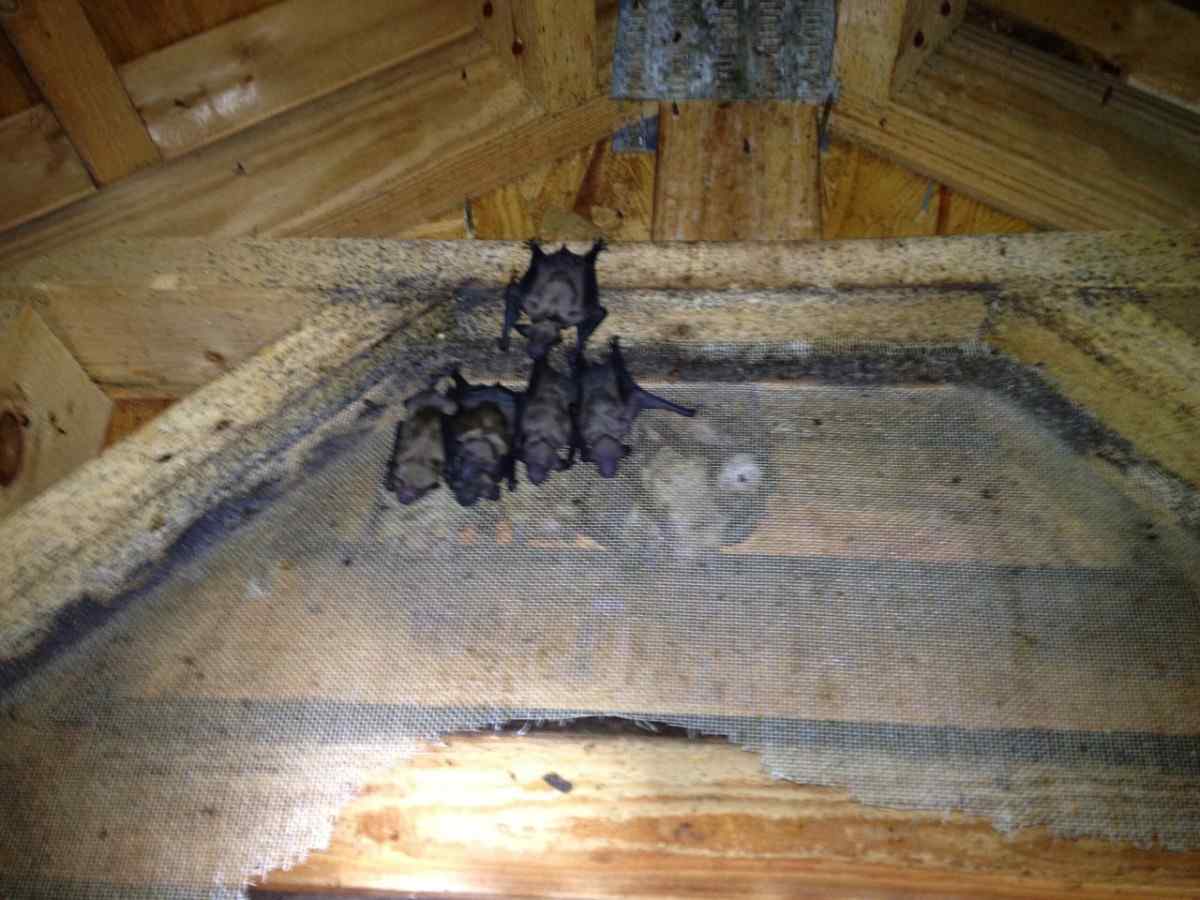
Attics provide dark, protected spaces that can resemble natural roosting conditions. Small gaps around soffits, vents, roof edges, or other exterior features may allow bats to enter.
Older homes may have aging roofline materials or small openings that develop over time. However, newer homes can also have access points if exterior gaps or vents are not properly secured.
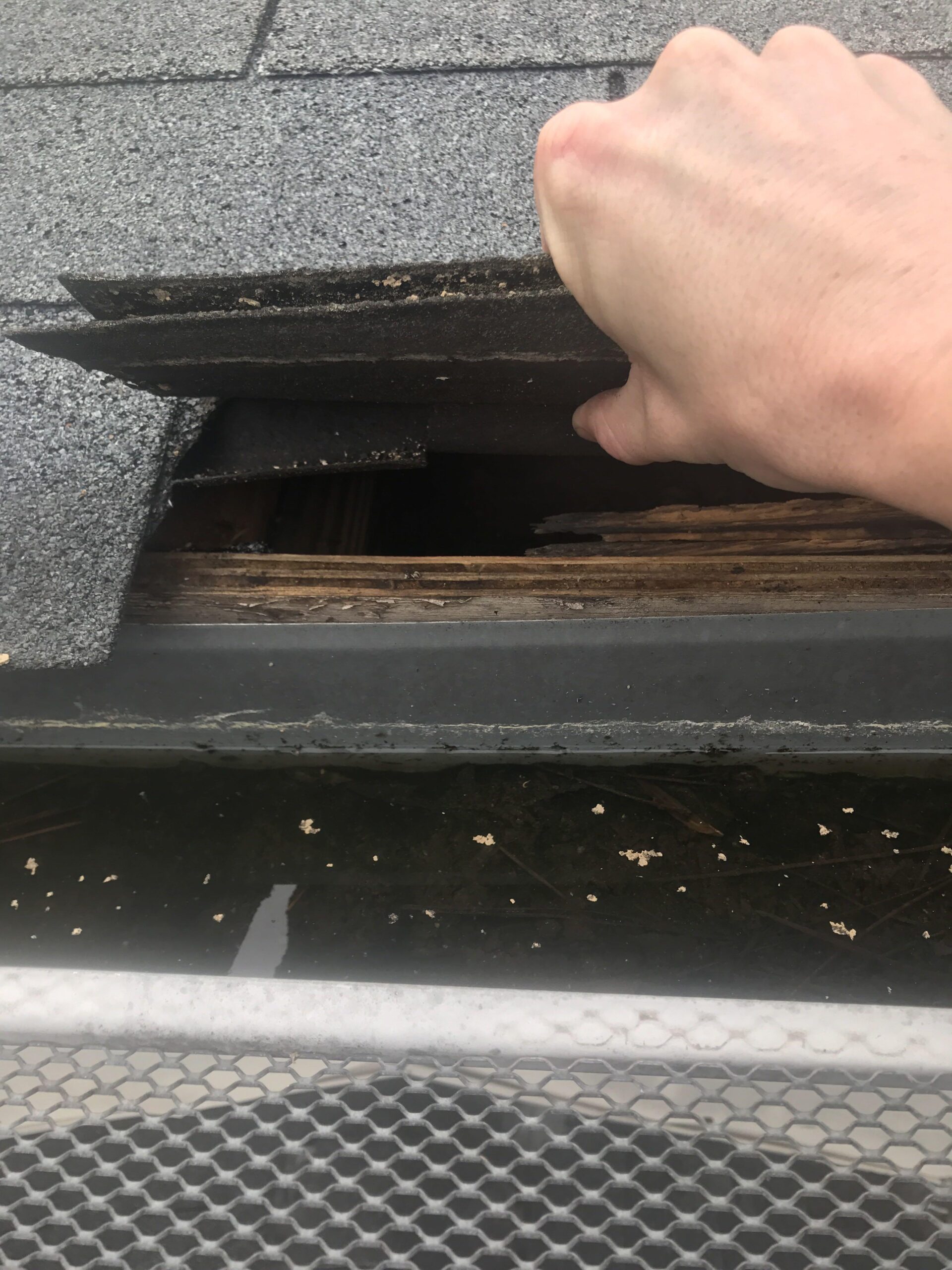
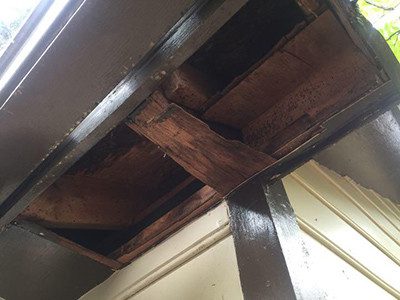
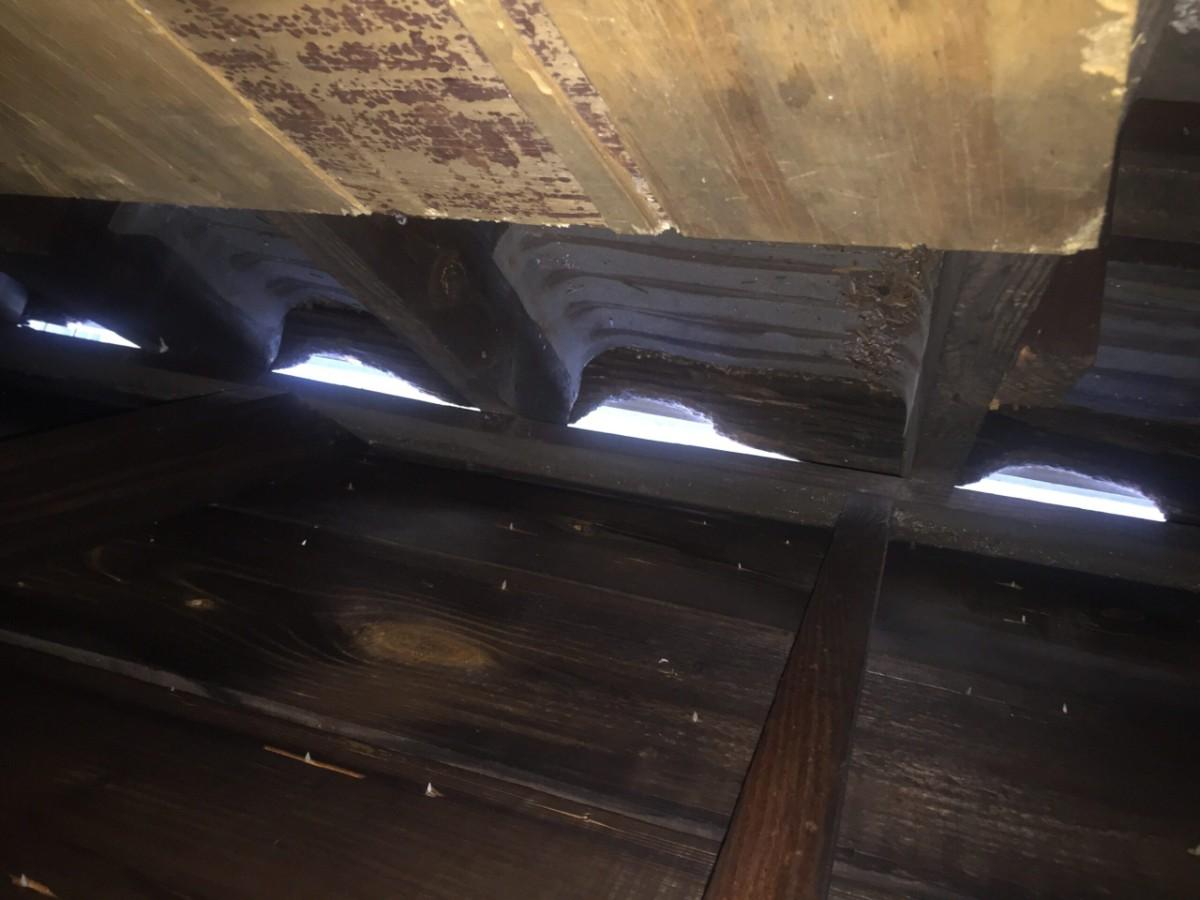
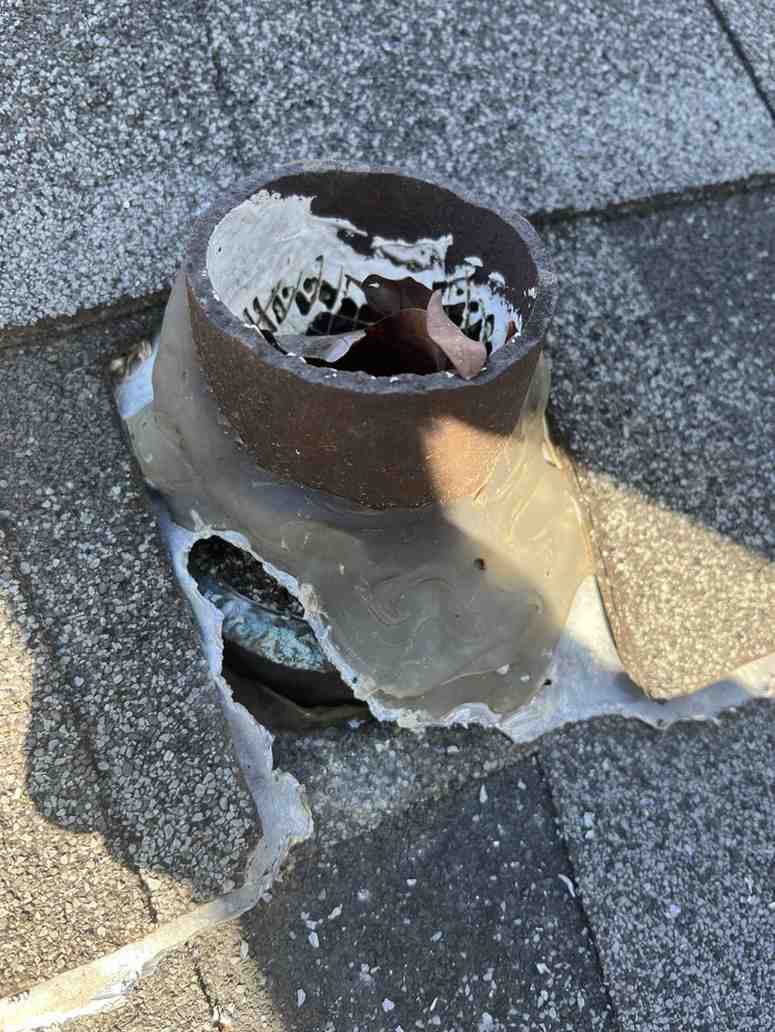
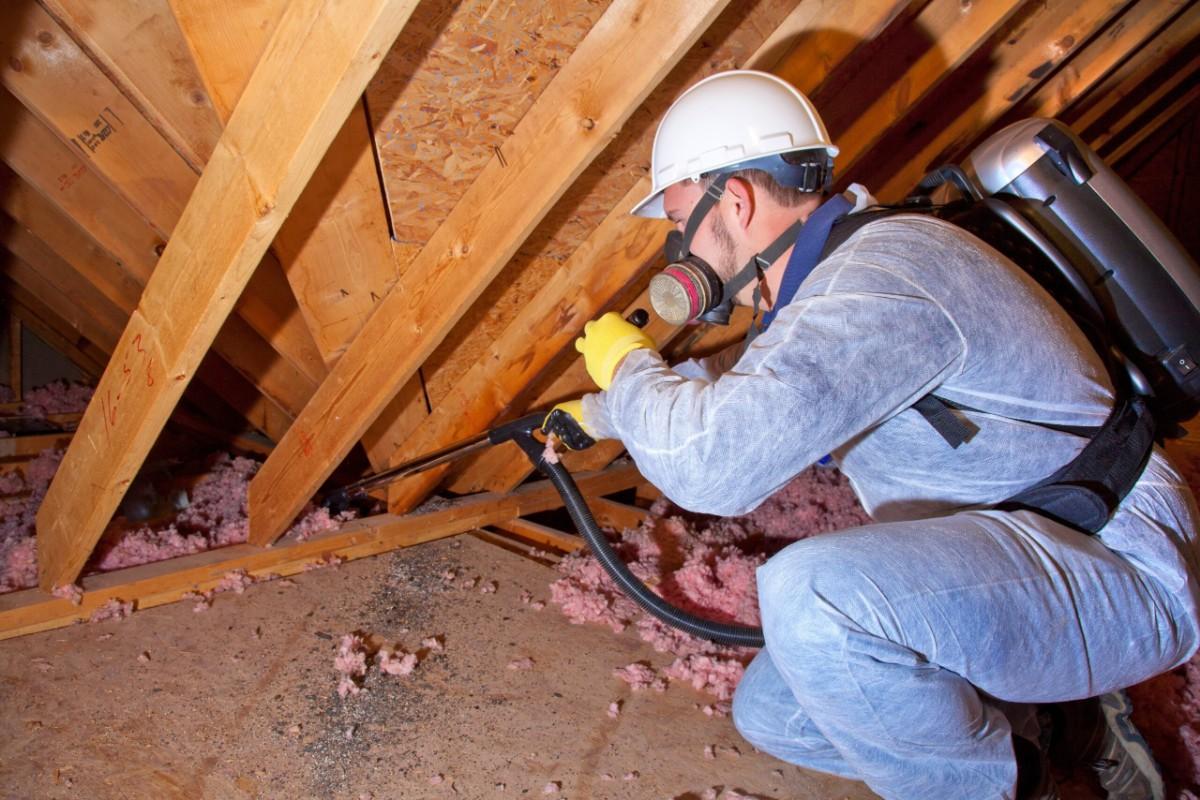
We inspect the home’s exterior and accessible interior areas to identify signs of bat activity, potential roosting locations, and likely entry points.
The appropriate removal approach depends on the location and circumstances of the bat activity. Timing is also important because bat exclusion in Georgia can be restricted during periods when flightless young may be present.
After the active bat issue is properly addressed, vulnerable entry points can be secured to reduce the chance of bats returning through the same openings.
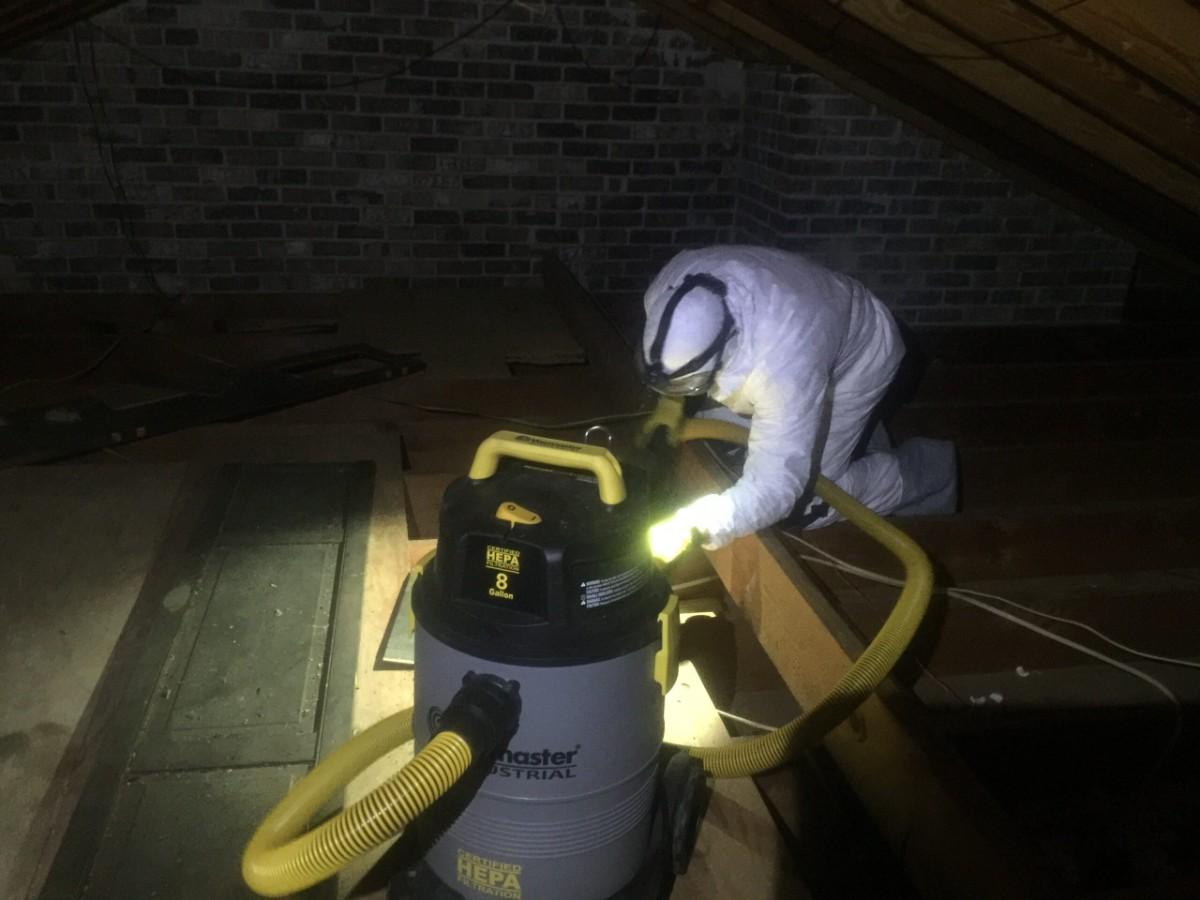
If the attic or other areas have been affected, restoration needs can be evaluated. Damaged or contaminated materials may require attention as part of returning the space to a suitable condition.
Affected attic areas can be evaluated for conditions left behind by prolonged bat activity, including accumulated waste, odors, or damaged materials.
When insulation has been significantly affected by wildlife contamination, replacement may be appropriate to restore the condition of the attic.
Damaged or deteriorated soffits and fascia can contribute to wildlife entry. Addressing these areas can help protect the home after exclusion work.
Where bat activity has contributed to damage around the structure, A&A can evaluate the affected areas and determine whether additional home repairs are needed.
A&A combines wildlife services with home restoration capabilities, providing a more complete approach when bat activity affects both the animal and the property.
Removing bats addresses the immediate problem, but preventing access through vulnerable areas is an important part of protecting the home from future entry.
Because bats can access structures through small exterior openings, understanding rooflines, soffits, fascia, and vents helps identify areas that may require attention.
If bat activity has affected insulation, attic areas, or exterior materials, A&A can connect the wildlife problem with the appropriate restoration needs.
Bats can enter through small openings around rooflines, soffits, fascia, vents, chimneys, and other exterior gaps. Therefore, finding the actual access point is an important part of addressing the problem.
Look for droppings, staining, unusual odors, or repeated bat activity around the roofline at dusk. However, some signs may be difficult to identify without inspecting the attic and exterior.
DIY removal can be problematic because bats may be difficult to locate and exclude safely. Additionally, Georgia regulations and seasonal considerations can affect when exclusion should be performed.
They can return if the openings they use to access the structure remain available. For that reason, properly addressing potential entry points is an important part of resolving a recurring bat problem.
If you repeatedly see bats entering or leaving your home, notice signs of attic activity, or cannot identify how they are getting inside, professional evaluation can help determine the appropriate next step.
Ready to get rid of the nuisance wildlife that’s been damaging your home and keeping you up at night? You’ve come to the right place.
© 2026 A & A Wildlife & Home Solutions