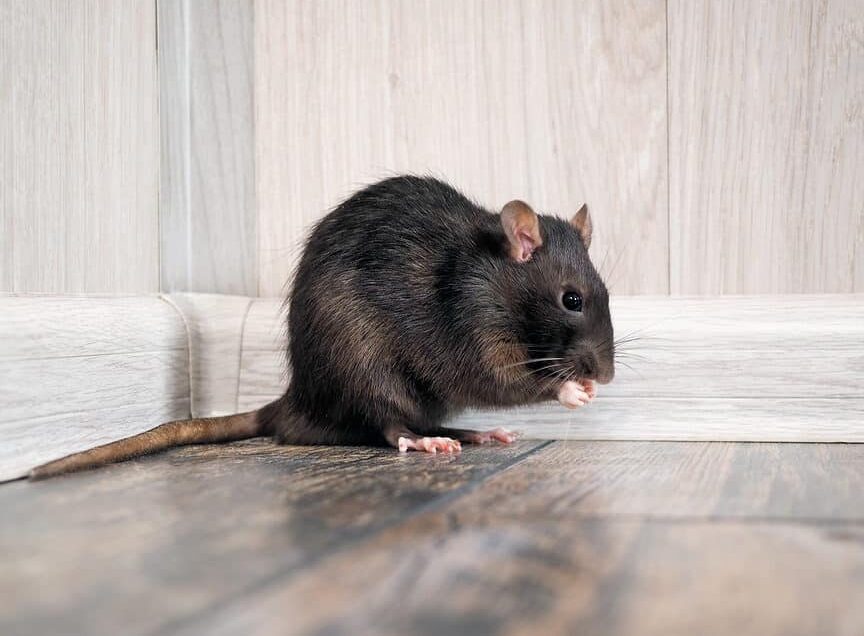
Hearing scratching above the ceiling, finding unfamiliar droppings, or noticing a strange odor can make you wonder whether rats have entered your attic. Because attics are quiet, insulated, and rarely disturbed, they can provide rodents with a sheltered place to move, nest, and remain unnoticed.
The good news is that you can often identify rodent activity through physical evidence before seeing a rat. Droppings, gnaw marks, nesting material, odors, rub marks, and nighttime sounds can all provide important clues.
In Georgia, both roof rats and Norway rats are found around homes. Roof rats are particularly capable climbers, which makes rooflines, trees, attic vents, eaves, and other elevated areas important places to inspect.
What Are the Signs of Rats in Your Attic?
- Rat Droppings - Dark droppings around insulation, beams, or pathways can indicate rat activity in your attic.
- Scratching Sounds - Nighttime scratching, scurrying, or gnawing sounds may indicate rats moving above your ceiling.
- Gnaw Marks - Fresh marks on wood, wiring, plastic, or other materials can point to active rodent activity.
- Nesting Material - Shredded insulation, paper, or fabric may indicate a rat has created a sheltered nesting area.
- Unusual Odors - Persistent musky odors around the attic may come from repeated rat activity, urine, or nesting.
- Greasy Rub Marks - Dark marks along beams or surfaces can develop where rats repeatedly travel through the attic.
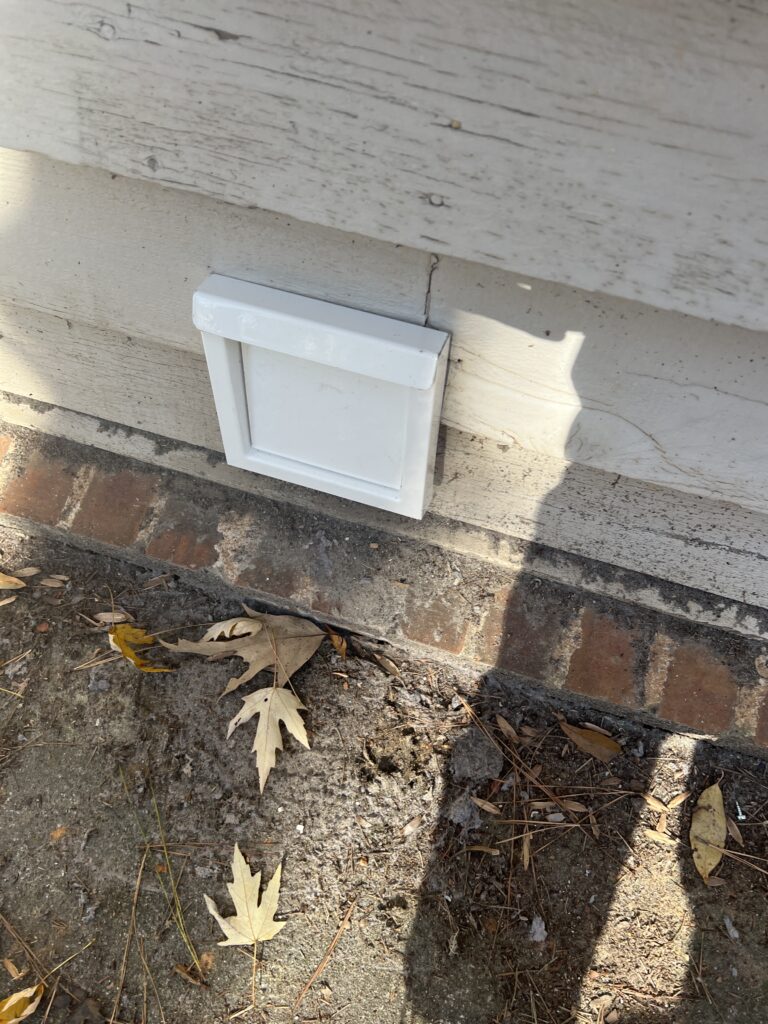
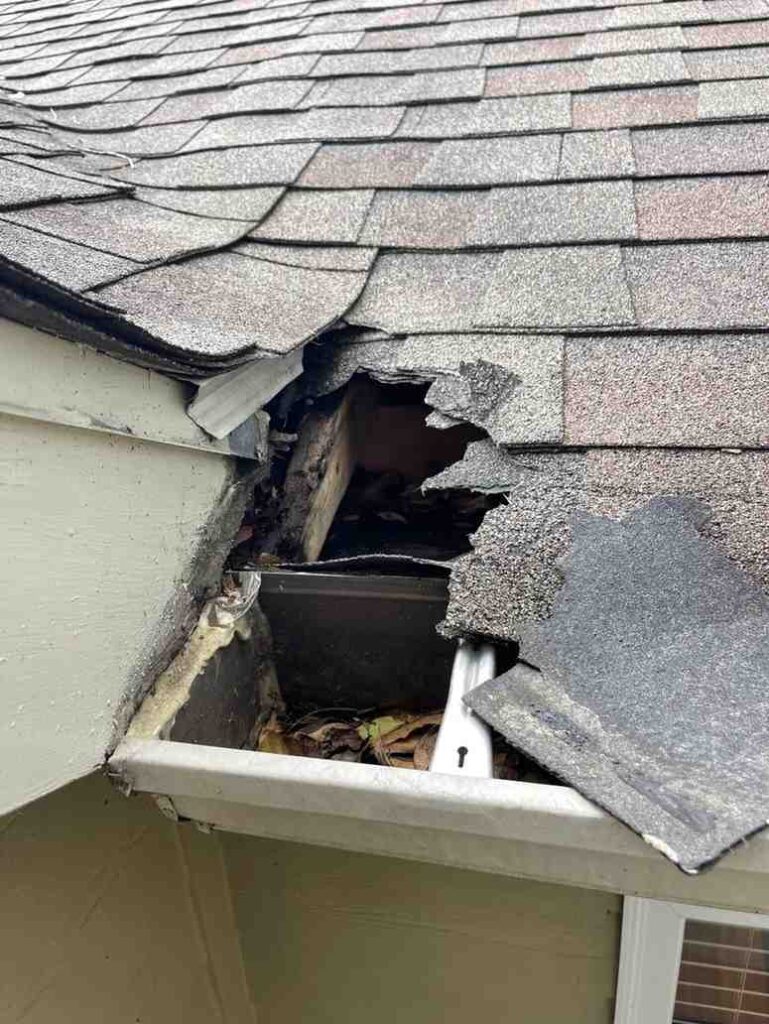
- Roofline Gaps - Openings around soffits, vents, fascia, or rooflines can provide rats with access to attic spaces.
Why Rats May Enter an Attic
An attic can provide several conditions that make it attractive to rodents: shelter, protection from weather, limited human disturbance, and access to nesting materials.
In Georgia, roof rats are particularly relevant to elevated areas because they are capable climbers. Norway rats are also found in the state, although they generally are not strong climbers like roof rats.
That difference matters when investigating an attic problem.
A suspected roof-rat issue may require careful attention to the roofline, trees, elevated structures, vents, and other potential access routes rather than looking only at the foundation.
Can Rats Damage an Attic?
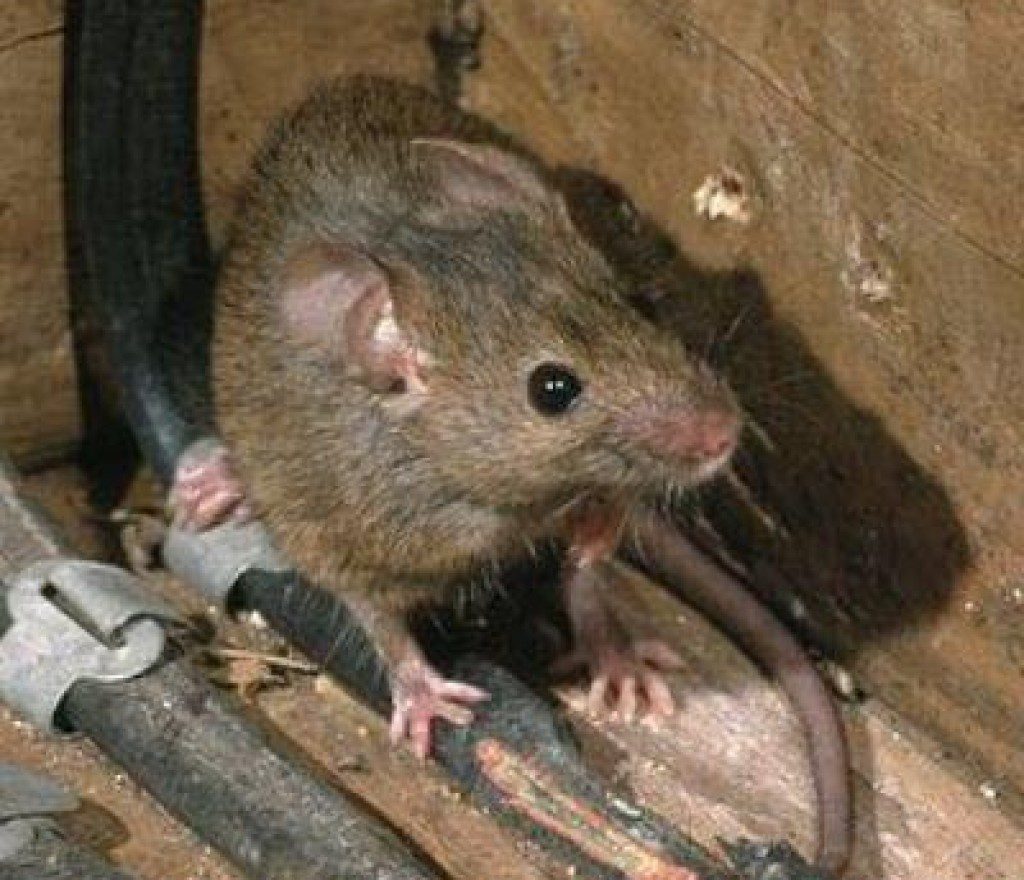
Yes. Rat activity can affect more than the animal itself. Rodents can soil insulation and building materials with urine and droppings. They can also gnaw materials and create openings that allow continued access.
Potential concerns include:
• Contaminated insulation
• Damaged wiring or other materials
• Damaged structural or finish materials
• Nesting debris
• Persistent odors
• New entry points created or enlarged by gnawing
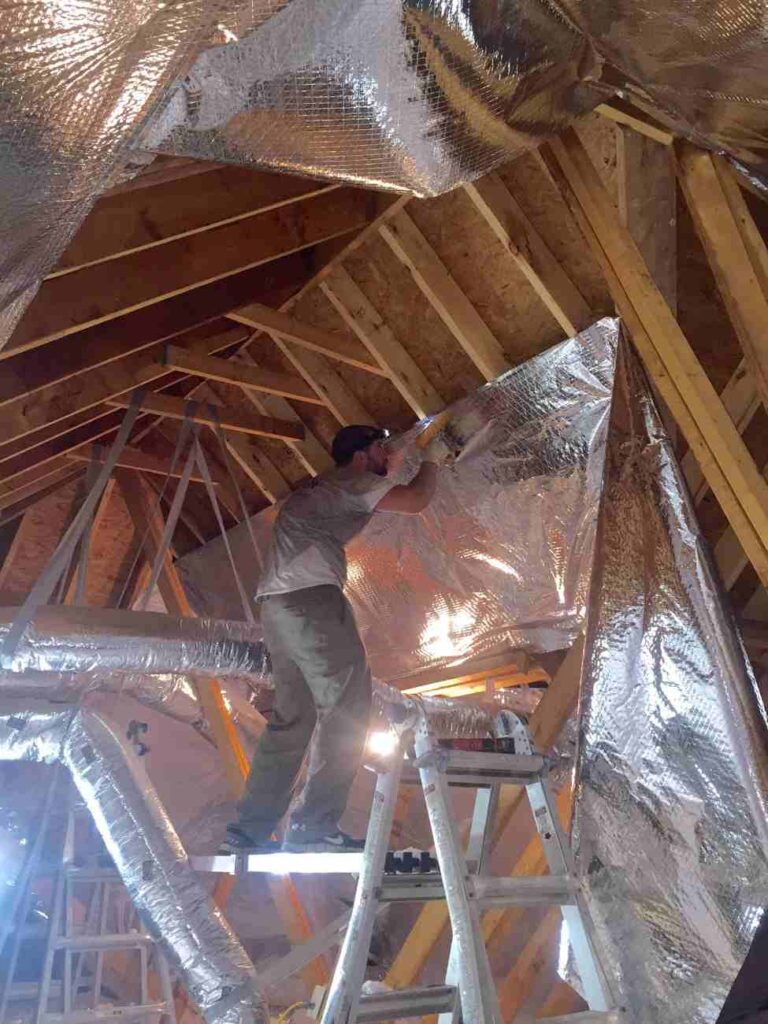
When insulation has been heavily affected by rodent activity, insulation removal and replacement may be necessary as part of the restoration process.
What Should You Do If You Find Rat Signs?
Start by documenting what you see without disturbing contaminated material.
Look for the relationship between the evidence:
Droppings → travel route → nesting area → entry point
That pattern can help determine whether the attic contains an active rodent problem.
If you find droppings or nesting material, avoid sweeping or vacuuming it. CDC guidance recommends wetting contaminated material with an appropriate disinfectant before cleanup and taking additional precautions for heavily contaminated areas.
Next, identify how the animals may be getting inside. Removing visible evidence without addressing the entry point can leave the home vulnerable to continued activity. Wildlife exclusion can help address vulnerable access points and reduce the chance of continued entry.
When Should You Call a Wildlife Professional?
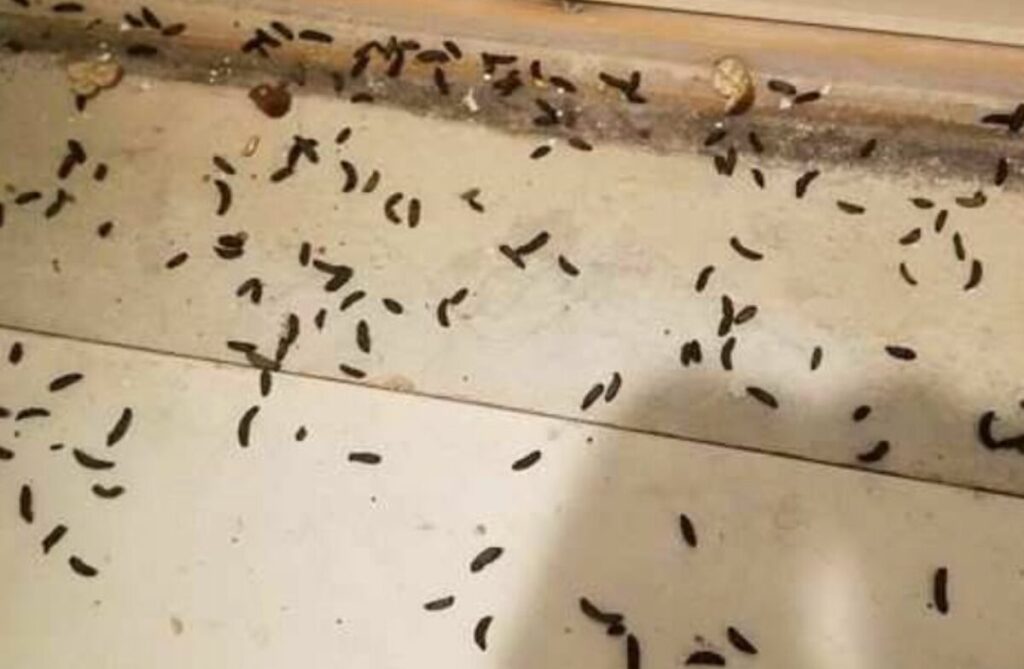
If you notice signs of rats in your attic and cannot identify the entry point, professional help can determine whether activity is ongoing and whether the attic has been affected.
A proper evaluation should look beyond the animal itself. Professional rat removal can help determine whether the activity is ongoing and what additional home-protection measures may be needed.
The goal is to determine:
1. Whether rodents are currently active
2. Where they are entering
3. Which areas show evidence of activity
4. Whether contamination or damage is present
5. What needs to be addressed to prevent continued access
For A&A Wildlife & Home Solutions, this fits into a broader
home-protection approach that connects wildlife removal with exclusion and
appropriate attic restoration.
How A&A Wildlife & Home Solutions Can Help
When rat activity is confirmed, solving the problem involves more than simply addressing the animal inside the attic.
A&A Wildlife & Home Solutions focuses on the larger home-protection picture:
Removal → Exclusion → Home Protection → Restoration
That means identifying the wildlife issue, locating vulnerable entry areas, addressing access, and evaluating affected attic or structural areas when restoration is needed. When an attic requires cleanup or repair after wildlife activity, attic restoration may also be part of the solution.
For homeowners who have discovered rat signs but are unsure where the animals are entering, an inspection can help turn scattered clues into a clear plan.
Frequently Asked Questions
What is the most common sign of rats in an attic?
Rat droppings and gnaw marks are among the most recognizable signs of rodent activity. Additional evidence, such as nesting material, odors, and nighttime sounds, can help determine whether an attic has an active problem.
Do rats make noise in the attic at night?
They can. Rats are generally more active at night, so homeowners may hear scratching, scurrying, or gnawing after dark. However, other animals can make similar sounds, so physical evidence should also be checked.
How do I know if rats are still in my attic?
Look for new droppings, fresh gnawing, recently disturbed nesting material, or other continuing signs of activity. CDC guidance notes that new droppings or persistent urine and gnawing after cleanup can indicate continued rodent activity.
Can rats damage attic insulation?
Rat activity can contaminate insulation with urine and droppings and may leave nesting material within the affected area. Contaminated insulation may require removal and appropriate cleanup rather than simply covering the affected area.
How do rats get into an attic?
Small areas can be cleaned using appropriate precautions, but rodent waste should never be swept or vacuumed while dry. Heavier contamination may require additional protective measures and professional guidance.
Should I clean rat droppings myself?
Rat droppings and gnaw marks are among the most recognizable signs of rodent activity. Additional evidence, such as nesting material, odors, and nighttime sounds, can help determine whether an attic has an active problem.
Can one rat sign mean there is an infestation?
Not necessarily. A single old dropping or gnaw mark may show that a rodent was present at some point. Multiple current signs occurring together provide stronger evidence of ongoing activity.
Signs of Rats in Your Attic? Start With the Evidence
If you are hearing activity overhead or discovering unexplained evidence in your attic, do not rely on one clue alone. Droppings, gnaw marks, nesting material, odors, travel routes, and exterior entry points can reveal a much clearer picture when examined together.
A&A Wildlife & Home Solutions can help homeowners evaluate the wildlife problem and determine whether removal, exclusion, or attic restoration is needed.
- If you have found signs of rats in your attic, contact A&A Wildlife & Home Solutions to discuss the next step.