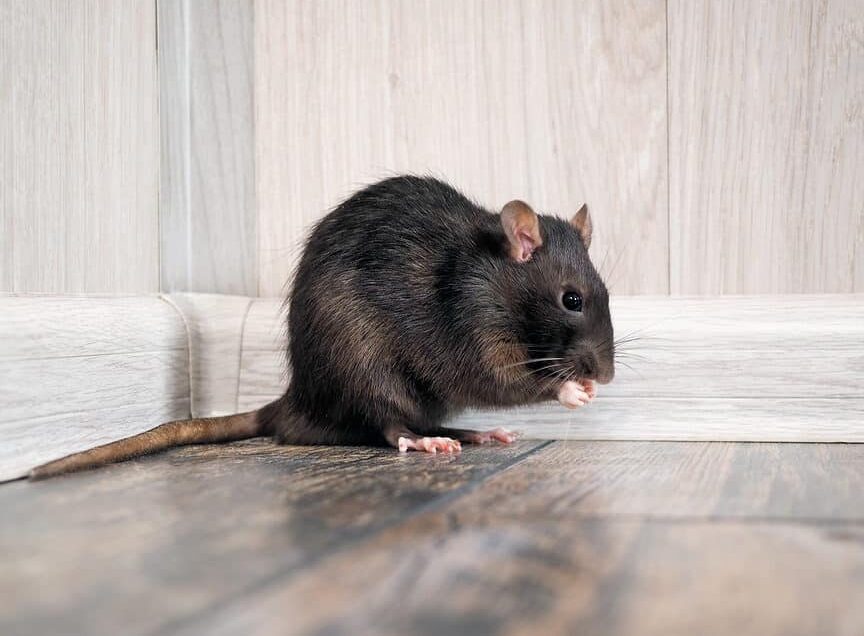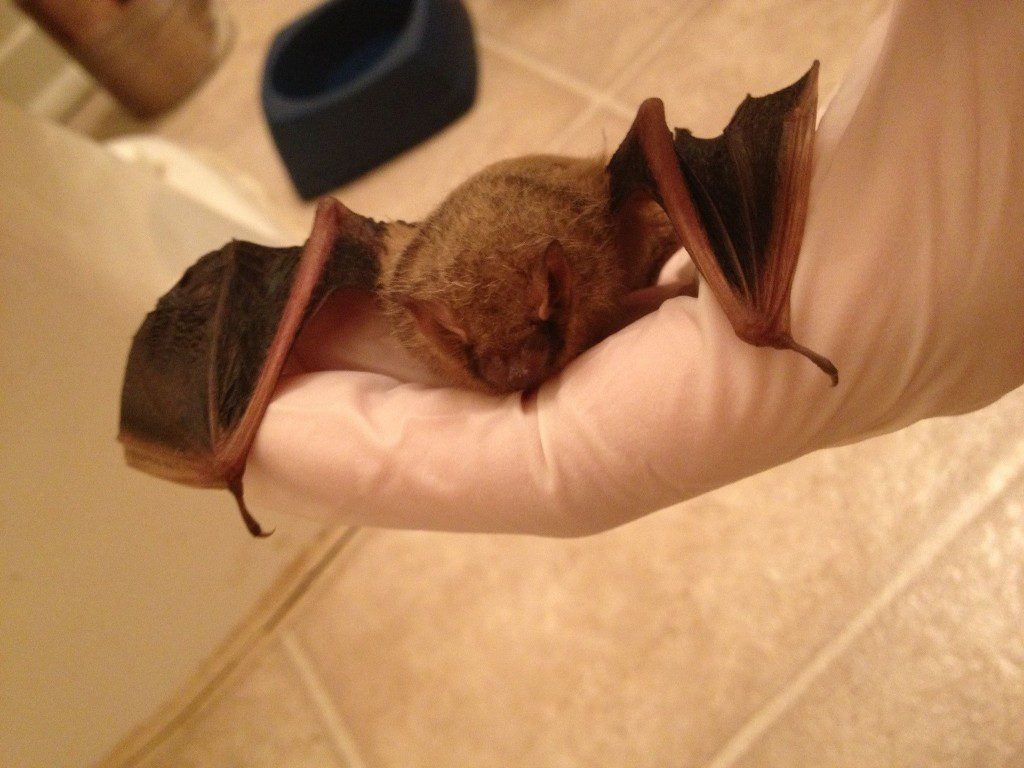
When wildlife keeps returning to your property, removing the animal may not solve the underlying problem. Something around the home may still provide food, water, shelter, nesting space, or access to a protected area.
That is why another animal may appear after the first one is gone. Understanding why wildlife keeps returning helps homeowners address the conditions that make the property attractive rather than dealing with the same problem repeatedly.
Why Does Wildlife Keep Coming Back?
Wildlife looks for basic resources such as food, water, and shelter. A home can provide these resources without obvious signs that anything is attracting animals.
Common attractants include:
- Unsecured trash or food waste
- Pet food left outdoors
- Birdseed and spilled seed
- Outdoor water sources
- Dense vegetation or brush
- Leaf litter and debris
- Protected spaces around structures
- Openings into attics or crawlspaces
UGA Cooperative Extension recommends addressing the conditions that attract wildlife rather than focusing only on the animal involved.
How Open Entry Points Cause Wildlife to Keep Returning
If wildlife has entered an attic, crawlspace, or another part of the home, identifying how it got inside is important.
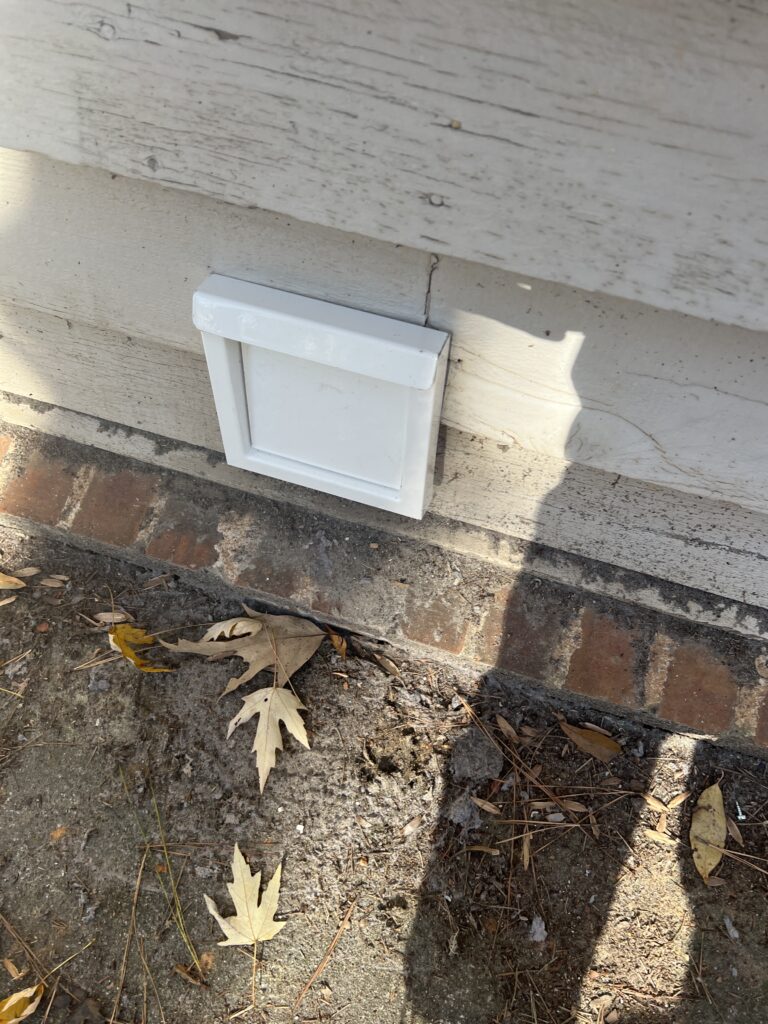
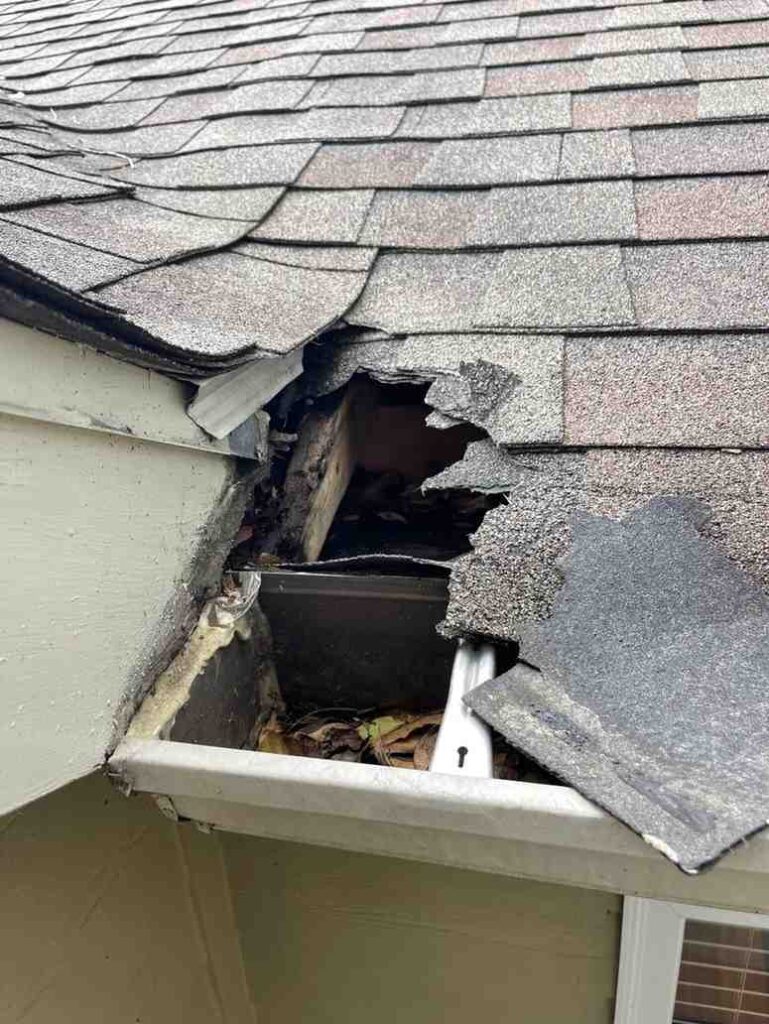
Animals can use openings around rooflines, soffits, fascia, vents, chimneys, crawlspace openings, utility penetrations, doors, and other exterior gaps. Once an opening has provided successful access, it can remain available to wildlife.
The cycle can be simple:
Entry point → animal enters → animal is removed → opening remains → another animal finds it.
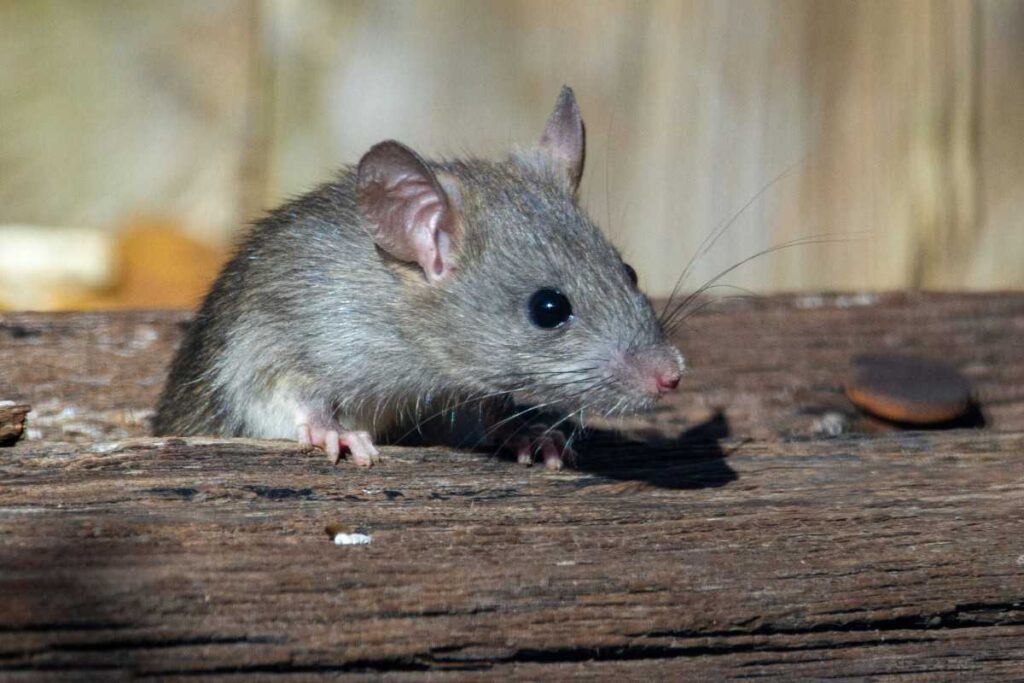
A new animal appearing after removal does not necessarily mean the original animal returned. Another animal may simply have discovered the same access point.
Why Attics and Crawlspaces Attract Wildlife
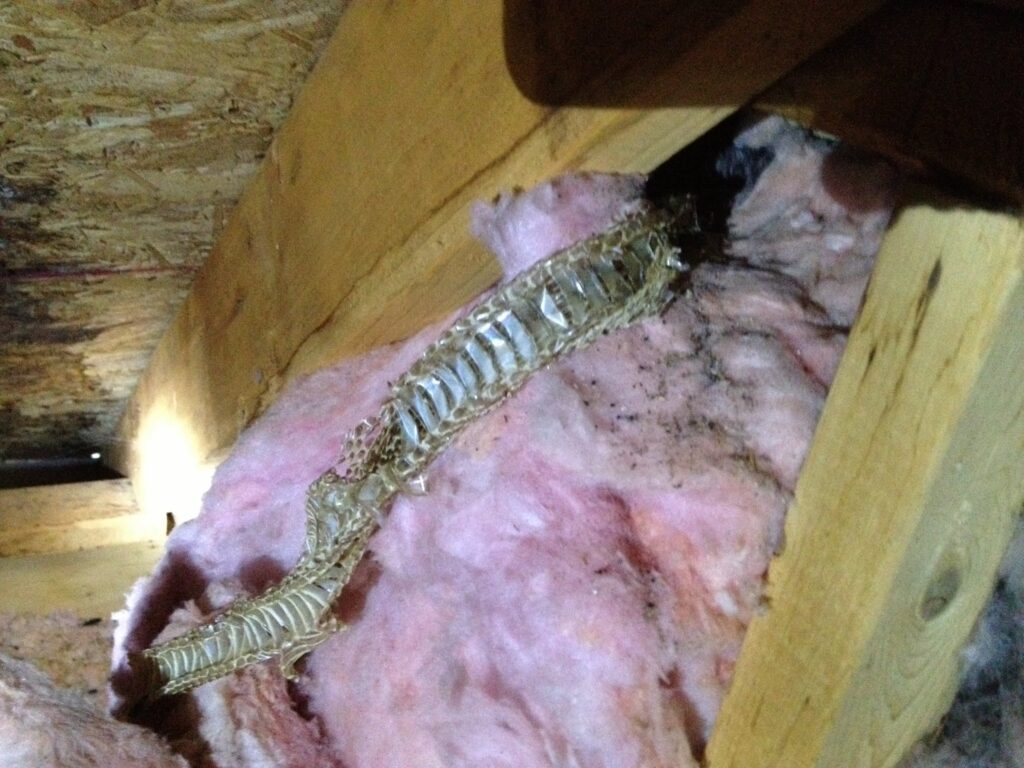
Attics and crawlspaces can provide protected conditions for resting or nesting. A damaged vent, loose soffit, roofline gap, or other opening can give wildlife access to a relatively undisturbed space.
Repeated activity may leave clues such as:
- Scratching or movement sounds
- Nesting material
- Droppings
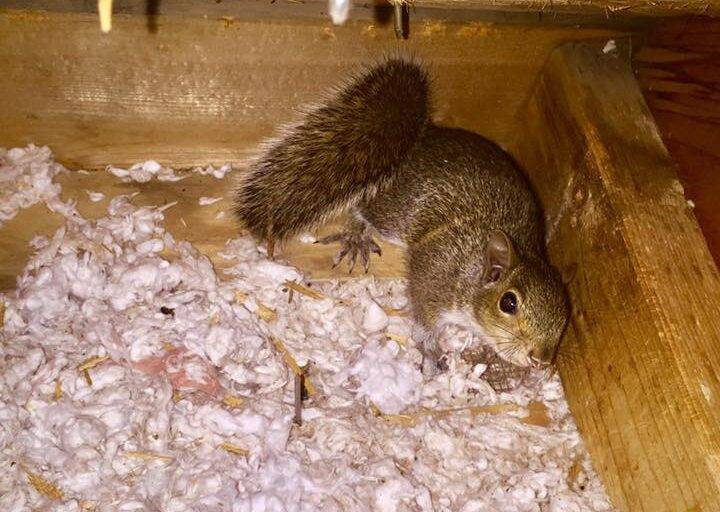
- Damaged insulation
- Chewed materials
- Activity around one part of the roof or exterior
These signs do not identify a species by themselves. However, they can indicate that the structure should be inspected for an entry point.
Food Around Your Property Can Keep Wildlife Coming Back
Wildlife may return because an easy food or water source remains available.
Common examples include garbage, pet food, birdseed, outdoor pet bowls, ponds, and pools. Even when food is not intentionally provided, animals can discover accessible sources.
Homeowners can reduce these attractants by:
- Keeping pet food indoors
- Securing garbage containers
- Cleaning outdoor grills after use
- Avoiding intentional wildlife feeding
- Cleaning up excess birdseed
- Securing other accessible food sources
The goal is not to eliminate wildlife from the surrounding environment. Instead, it is to reduce easy resources that encourage animals to remain around the home.
Yard Conditions Can Provide Shelter
Food is not the only reason wildlife may stay near a property. Brush piles, fallen branches, heavy leaf litter, debris, dense vegetation, and other sheltered areas can provide cover or nesting opportunities.
Homeowners do not need to remove every natural feature from the yard. Instead, focus on conditions close to the structure that may contribute to repeated activity.
Keeping unnecessary debris away from the home and maintaining vegetation can reduce some opportunities for animals to hide or establish shelter.
Why Removing Wildlife May Not Be Enough
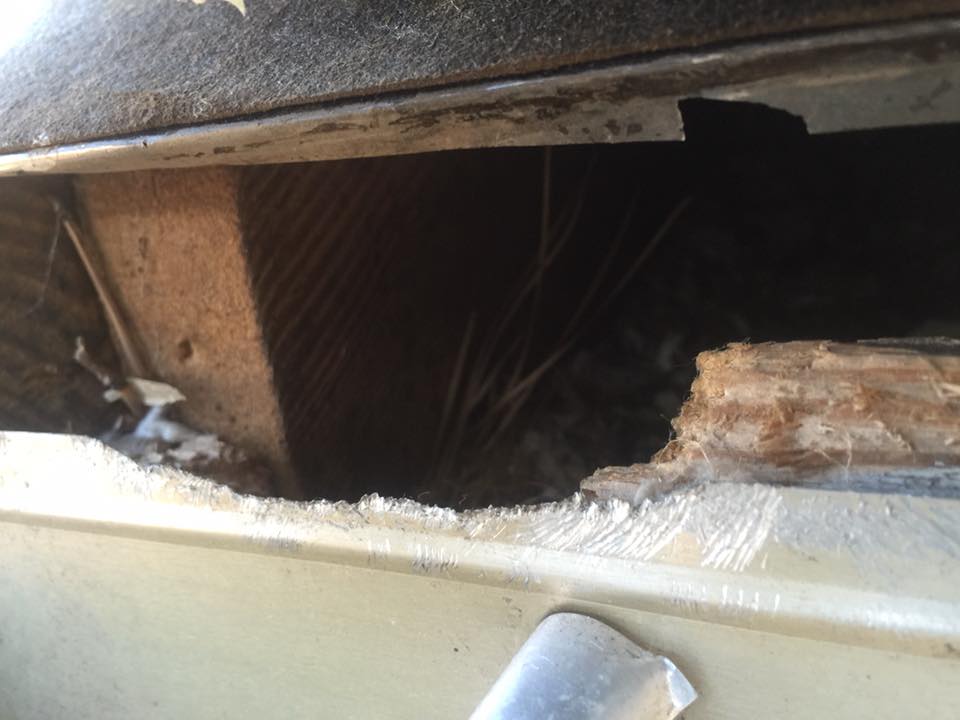
Removing an animal solves the immediate wildlife encounter, but the conditions behind the problem may remain. Without addressing those conditions, the same type of intrusion can happen again.
For example, removing an animal from an attic does not repair the opening it used to get inside. If that opening remains accessible, another animal may eventually discover it. Likewise, removing an animal from around the property may not stop repeated visits if food, water, or shelter remains easily available.
This is why recurring wildlife activity should be viewed as a property issue as well as an animal issue. Finding out how wildlife is using the property can help identify what needs to change.
How to Prevent Wildlife From Returning
Prevention starts with identifying what makes the property attractive or accessible to wildlife. Homeowners can reduce repeat activity by addressing these conditions:
1. Identify the Attractant
Look for accessible food, water, shelter, nesting material, or other conditions that may be drawing wildlife to the property.
2. Inspect the Structure
Check rooflines, soffits, fascia, vents, chimneys, crawlspaces, and other vulnerable areas for potential entry points.
3. Secure Food and Water
Keep pet food indoors, secure garbage, clean outdoor cooking areas, and manage birdseed and other accessible food sources.
4. Reduce Unnecessary Shelter
Remove or relocate debris, fallen branches, and other unnecessary cover near the home when they contribute to wildlife activity.
5. Address Entry Points
Once wildlife is confirmed to be out, repair vulnerable openings using an appropriate exclusion method to help prevent future access.
Wildlife Exclusion Helps Protect the Home
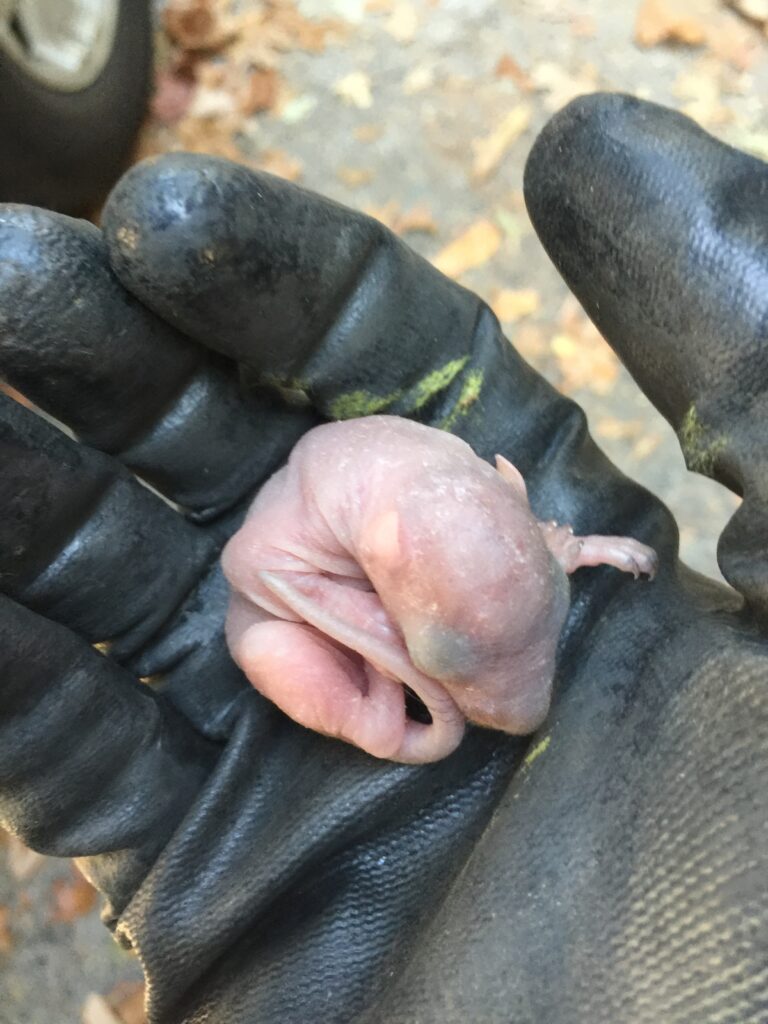
Exclusion focuses on preventing wildlife from accessing a structure rather than repeatedly dealing with animals after they enter. The appropriate repair depends on the species and the opening.
Repairs may involve roofline areas, vents, soffits, fascia, crawlspace openings, or other vulnerable locations. Homeowners should confirm that animals and dependent young are no longer inside before permanently sealing an active opening.
The Georgia Wildlife Resources Division provides information about wildlife conflicts and species-specific considerations. Seasonal restrictions may apply to bat exclusion, so homeowners should check the relevant guidance before beginning work.
When Should You Get Professional Wildlife Help?
Professional assistance may be appropriate when wildlife repeatedly enters the home, the entry point cannot be located, an animal may still be inside, or there are signs of property damage.
It can be especially difficult to determine the correct solution when several potential entry points exist or wildlife has been using an attic or crawlspace for an extended period.
Homeowners should also avoid direct contact with wild animals. If you are bitten or scratched, wash the wound promptly and seek appropriate medical or public-health guidance. The CDC’s wildlife safety guidance provides additional information about reducing risks from wild animals.
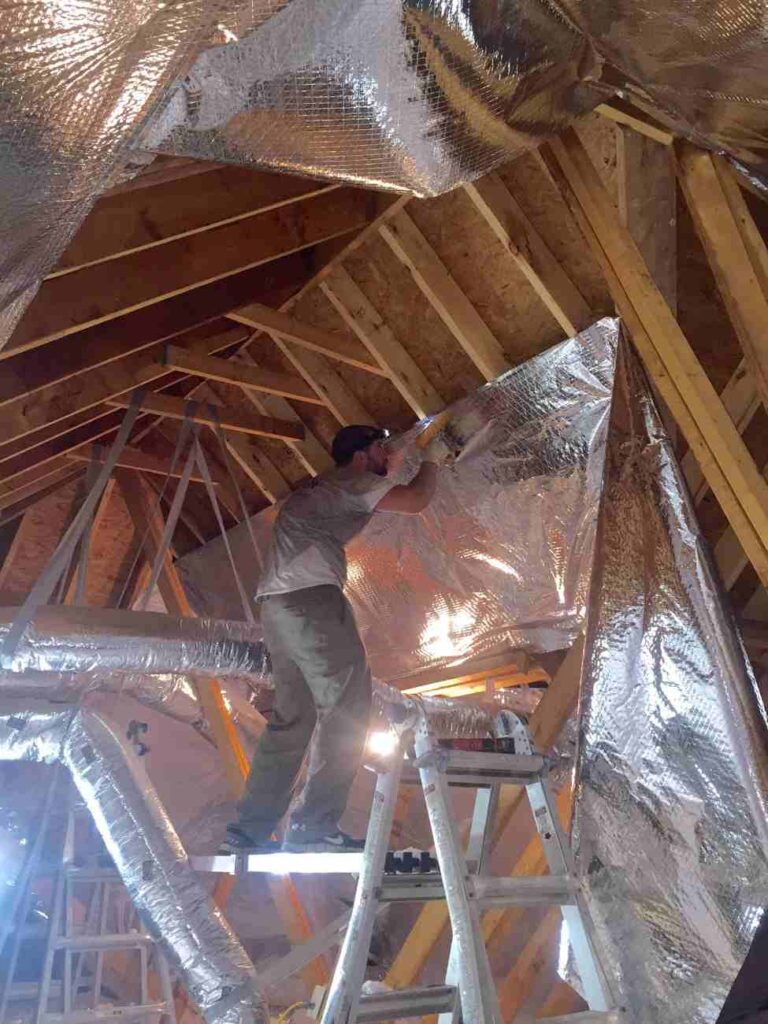
At A&A Wildlife & Home Solutions, the appropriate solution may involve wildlife removal, exclusion, home protection, and restoration, depending on the condition of the property.
Frequently Asked Questions
Why does wildlife keep returning after removal?
Wildlife may continue using a property when food, water, shelter, or an accessible entry point remains available. Another animal may also discover the same opportunity.
How do I stop wildlife from coming back?
Identify what attracts the animal, secure accessible food and water, reduce unnecessary shelter, and address vulnerable entry points with appropriate exclusion methods.
Can wildlife use the same entry point again?
Yes. An accessible opening can potentially be used again by the same or another animal, making entry-point repair important for prevention.
Should I seal a wildlife entry point immediately?
Not always. First determine whether an animal or dependent young may still be inside. Species, timing, and applicable regulations should also be considered.
Stop the Cycle of Repeat Wildlife Problems
When wildlife keeps returning, removing the animal may only address the visible part of the problem. Identifying attractants, locating entry points, and using appropriate exclusion methods can help protect your home.
If wildlife is repeatedly entering your attic, crawlspace, roofline, or home, A&A Wildlife & Home Solutions can inspect the situation and determine whether wildlife removal or exclusion and restoration services are appropriate.