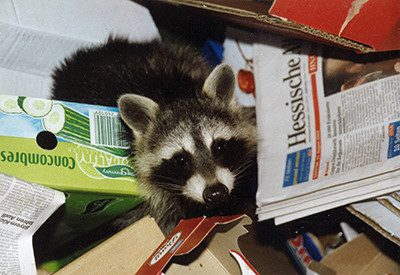
If you are wondering about wildlife removal cost in Georgia, there is no single statewide price. The total depends on the animal involved, where it has entered your home, how difficult it is to access, and whether you need exclusion, cleanup, or repairs. For a useful local reference, 2026 Atlanta data reports an average wildlife-removal cost of $689, with a typical range of $350–$1,033. That is a local planning figure, not a fixed Georgia price.
Wildlife Removal Cost in Georgia: What Affects the Price?
Wildlife removal usually depends on the work required rather than the animal alone. A simple situation may involve inspection and removal. A more complicated job can include repeated visits, exclusion repairs, attic cleanup, insulation replacement, or structural repairs.
Common cost factors include:
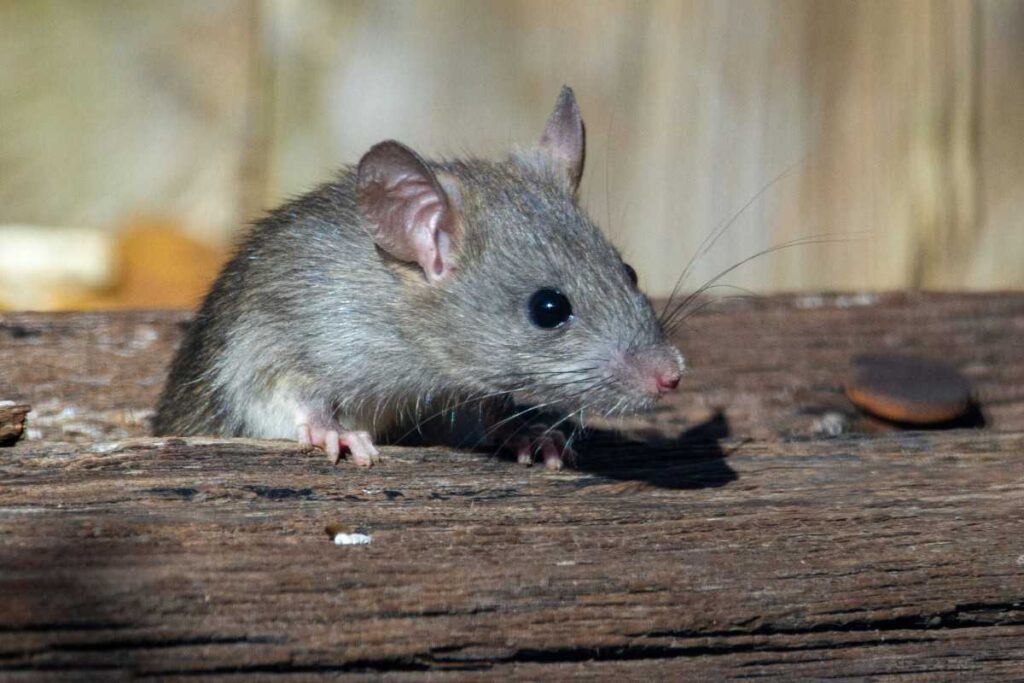
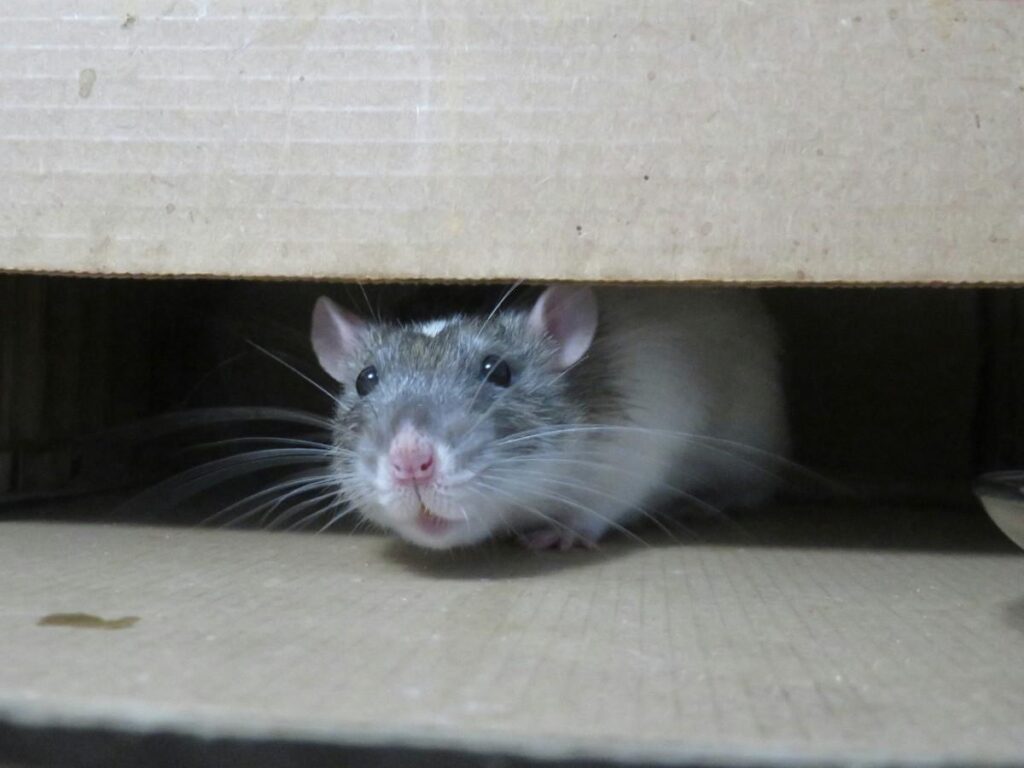
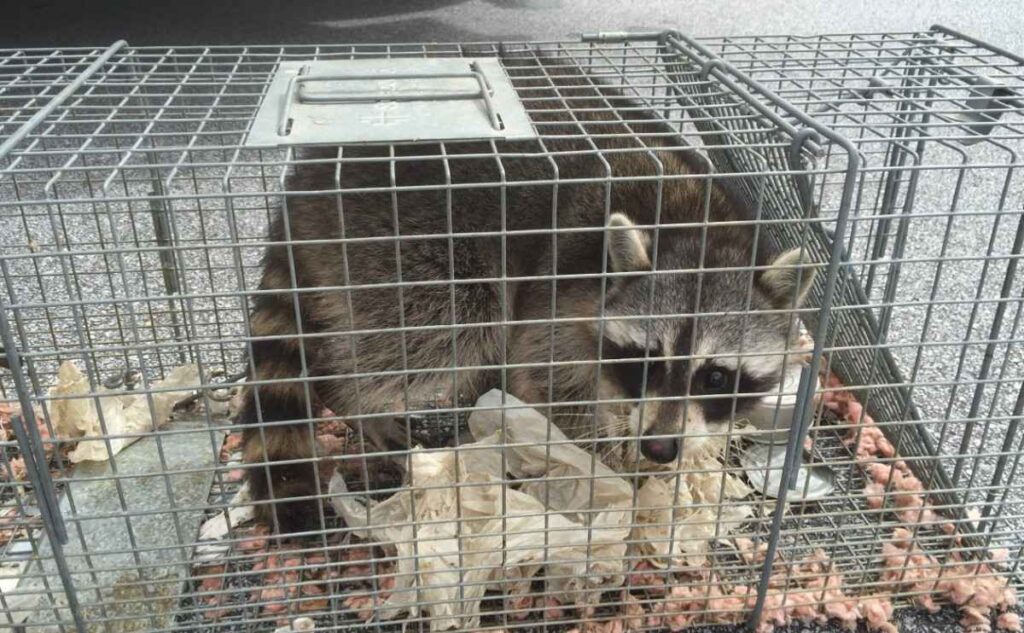
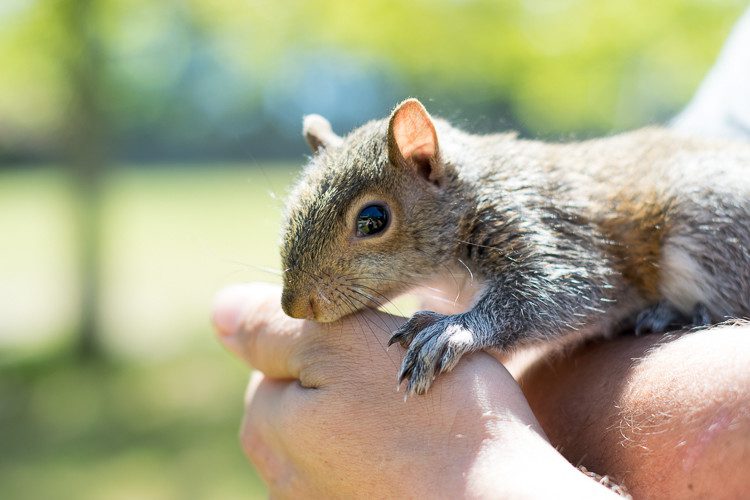
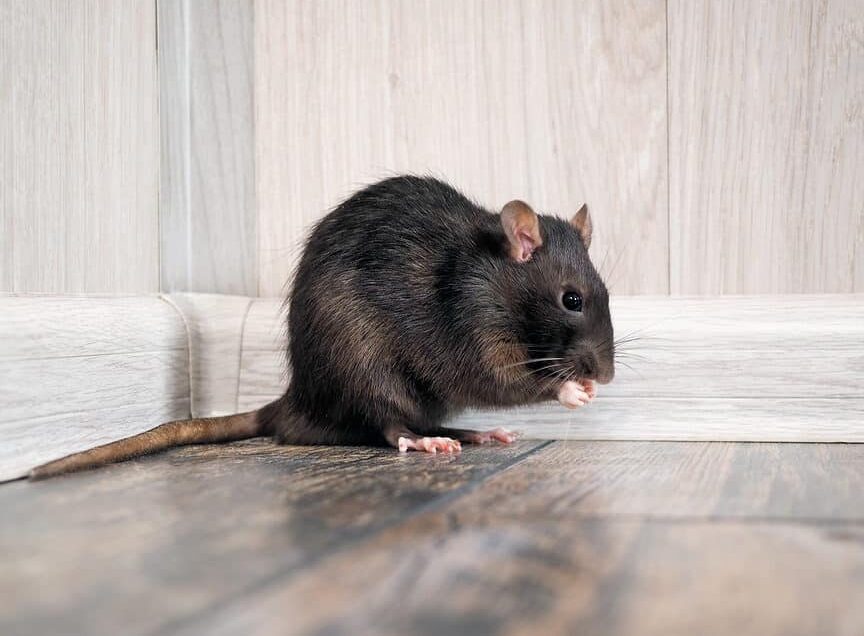
- Animal and situation: Raccoons, squirrels, bats, rodents, snakes, and birds require different methods and handling.
- Location: An animal in an accessible area usually takes less time to address than one inside a roofline, wall cavity, chimney, or difficult-to-reach attic.
- Number of entry points: Multiple openings require more inspection time and repair materials.
- Follow-up visits: Some situations require monitoring, trapping, or additional exclusion work.
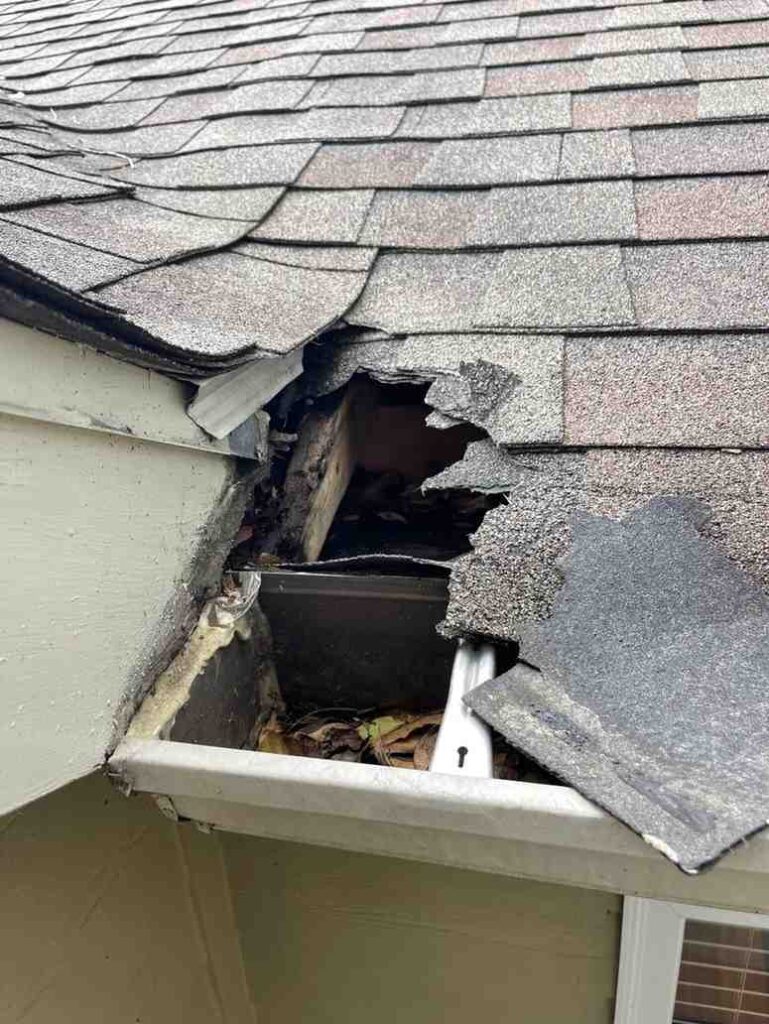
- Damage: Torn insulation, nesting material, damaged vents, wiring, soffits, or other building components can add restoration costs.
Wildlife Removal Cost in Georgia: Does Exclusion Matter?
Not always. This is one of the most important questions to ask when comparing estimates.
Removal addresses the animal currently on or inside the property. Wildlife exclusion addresses the openings that allowed the animal to enter and helps prevent another animal from using the same route.
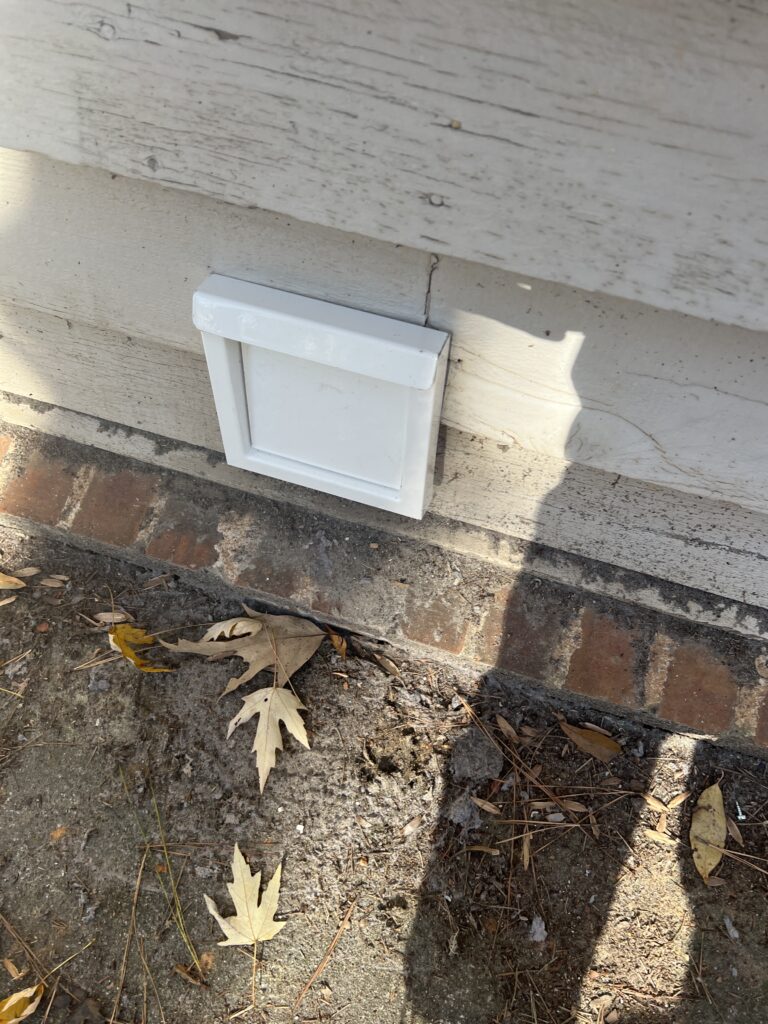
UGA Cooperative Extension recommends exclusion as an economical, long-term approach for many nuisance wildlife problems. Common access points include chimneys, soffit vents, gable ends, dryer vents, and openings around pipes and cables.
That means two companies can quote very different prices while offering very different scopes of work. One estimate may cover removal only, while another includes removal, entry-point repairs, follow-up visits, and exclusion.
Can Wildlife Damage Increase the Cost?
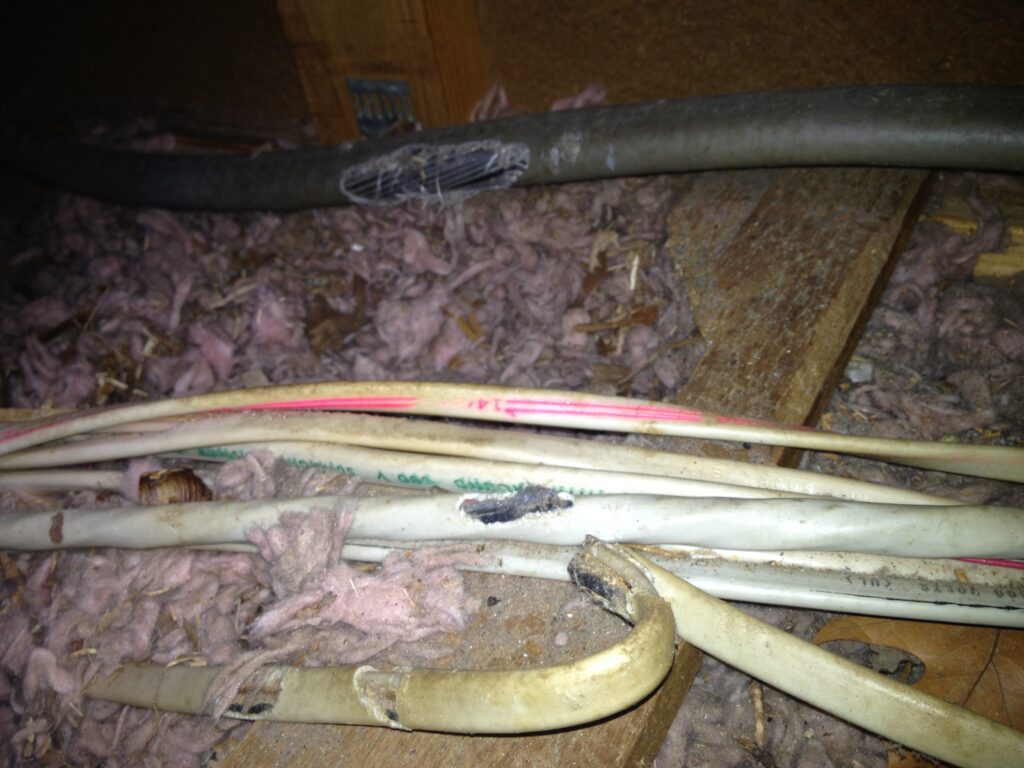
Yes. The animal itself may not represent the largest part of the final bill.
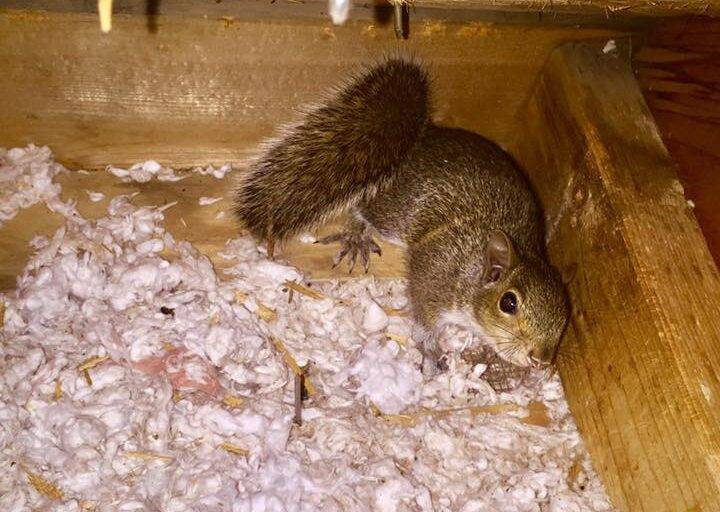
Wildlife living in an attic or crawlspace can leave droppings, urine, nesting material, damaged insulation, or other evidence. If wildlife contaminates or damages materials, cleanup and restoration become separate parts of the project.
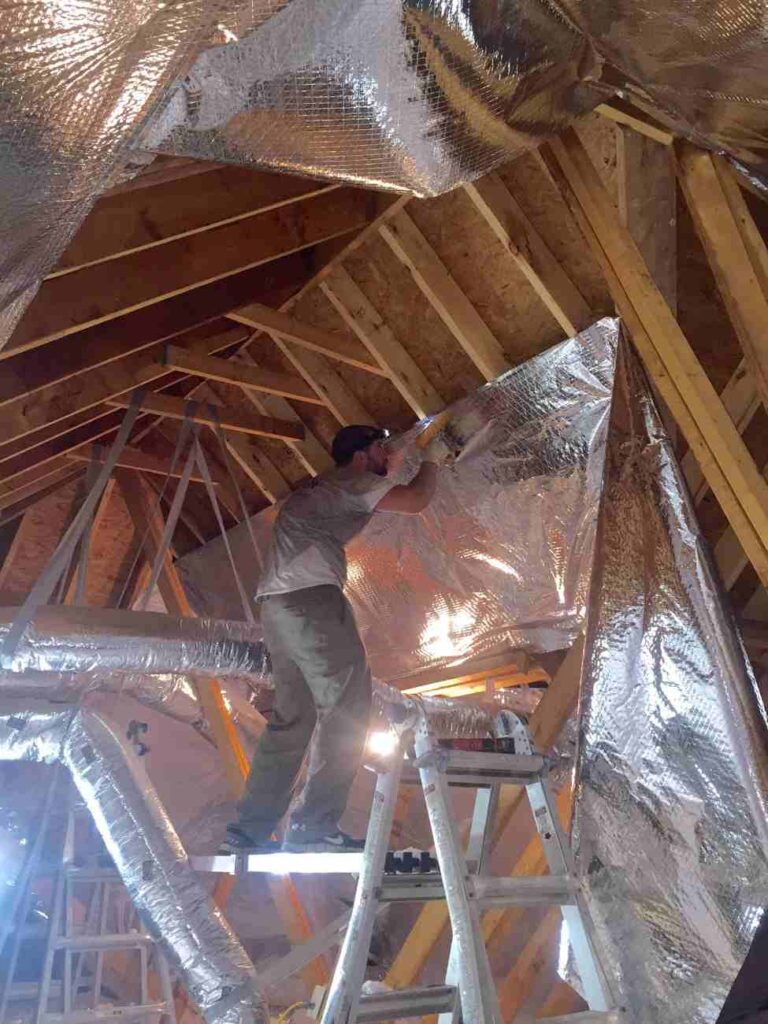
A&A’s attic restoration services address situations where wildlife has affected insulation or other attic materials. Depending on the condition, restoration may involve removing damaged material, cleaning affected areas, disinfecting surfaces, and replacing insulation.
The important point is to separate removal costs from restoration costs when reviewing an estimate.
Does Georgia Law Affect Wildlife Removal Costs?
It can. Georgia regulates wildlife, and the appropriate removal method depends on the species and circumstances. Georgia DNR recommends using properly licensed nuisance wildlife control operators when professional help is needed.
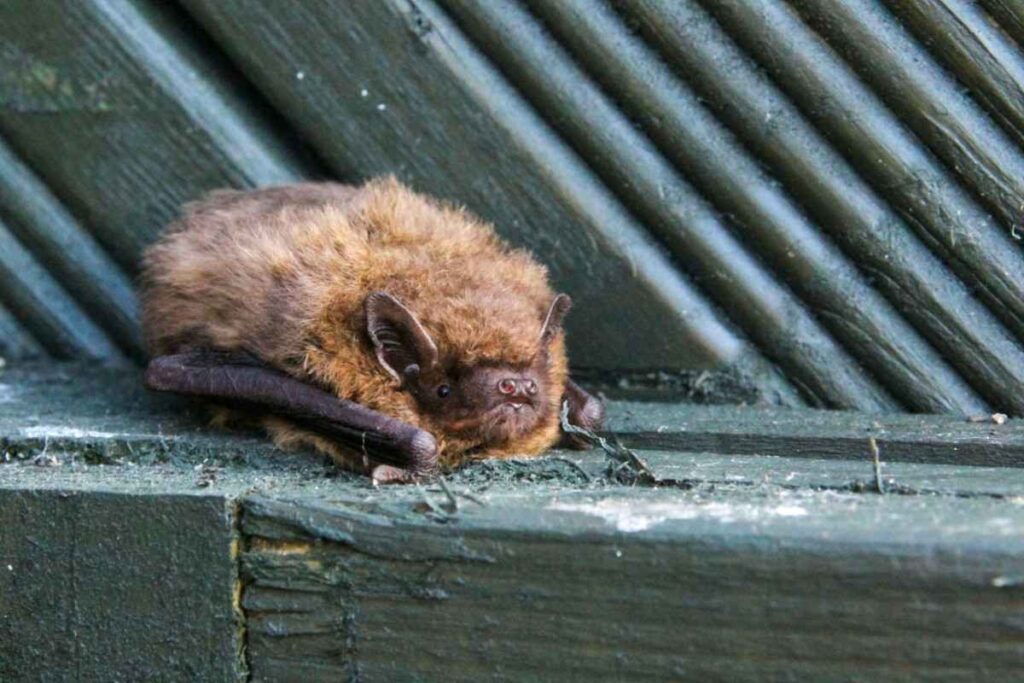
Some species also require special timing or handling. For example, Georgia DNR advises against bat exclusion during the period when dependent young may remain inside the structure. A licensed professional should evaluate the situation before anyone seals an occupied opening.
For homeowners, this means you should not judge a quote on price alone. Ask whether the proposed work fits the species involved and whether the operator holds the required Georgia credentials.
How to Compare Wildlife Removal Quotes
Before accepting an estimate, ask what is actually included.
- Is the inspection included?
- Does the price cover removal only or removal plus exclusion?
- How many entry points will be repaired?
- Are follow-up visits included?
- Is attic or crawlspace cleanup included?
- Is damaged insulation replaced separately?
- Are structural repairs included?
- What warranty, if any, applies to exclusion work?
A written scope makes estimates much easier to compare. Georgia homeowners should also be cautious about unusually low quotes that cover only trapping while leaving the original entry point open.
If you need professional wildlife removal and exclusion, A&A Wildlife & Home Solutions provides removal, exclusion, attic restoration, and related home repair services.
Understanding the wildlife removal cost in Georgia helps homeowners compare estimates and determine whether removal, exclusion, and repairs are included.
What Should You Do Before Hiring a Wildlife Company?
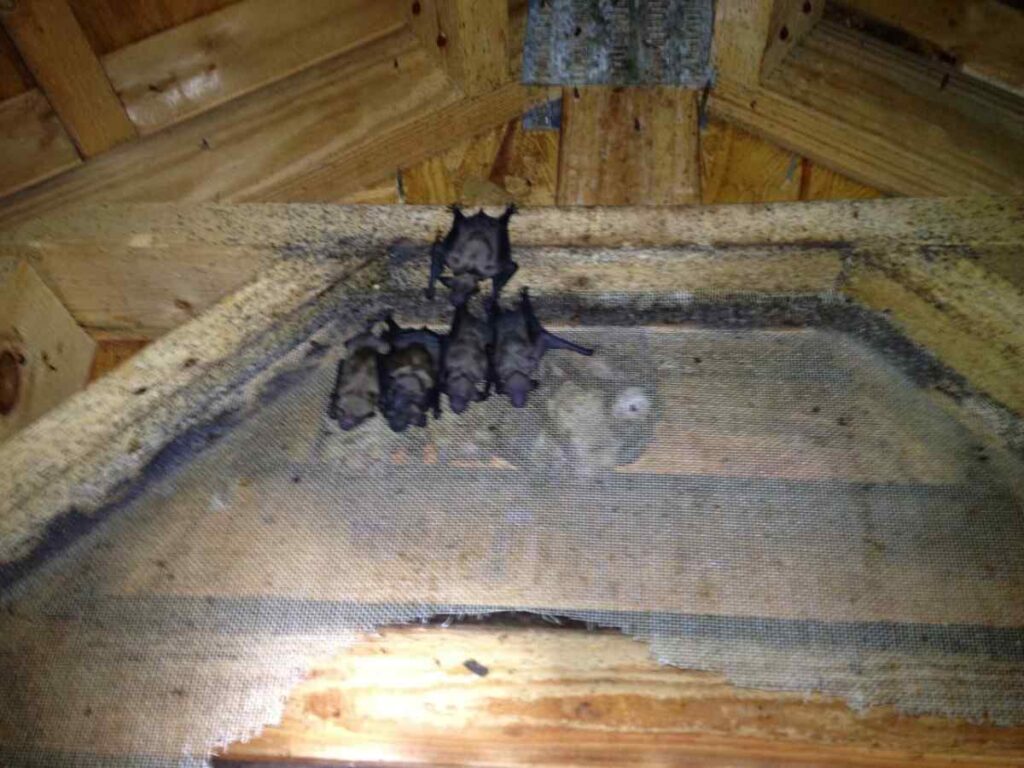
Do not immediately seal a suspected opening if an animal may still be inside. Doing so can trap an animal, separate a mother from young, or push wildlife into another part of the structure.
Instead, note where you hear scratching or movement, when the activity occurs, and whether you see droppings, nesting material, damage, or an obvious entry point. UGA Extension notes that the location and timing of wildlife activity can provide useful clues about the species involved.
A professional inspection can then determine what animal is present, how it entered, and what work is needed.
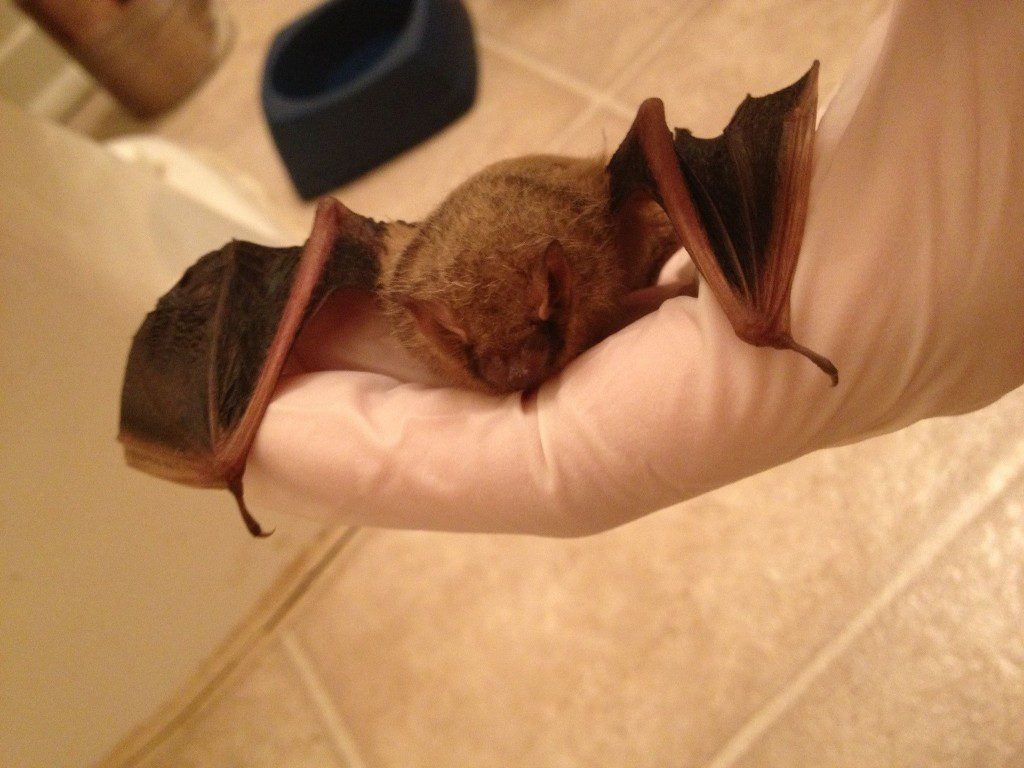
If you encounter a bat inside your home, avoid touching it. CDC guidance notes that bat bites can be very small and may go unnoticed. Anyone who may have had direct contact should contact a healthcare professional or public health department for guidance.
Frequently Asked Questions
What is the average wildlife removal cost in Georgia?
There is no reliable single statewide average. For a local planning reference, 2026 Atlanta data reports an average of $689, with a typical range of $350–$1,033. Actual costs can fall outside that range depending on the animal, access, number of visits, exclusion work, cleanup, and repairs.
Why can one wildlife removal quote be much higher than another?
The two companies may not quote the same scope of work. One may include only animal removal, while another may include inspection, exclusion, entry-point repairs, follow-up visits, cleanup, and restoration. Always compare the written scope rather than the headline price.
Is wildlife exclusion worth including in the estimate?
In many situations, yes. Removing an animal without addressing the opening it used can leave the property vulnerable to another wildlife problem. Exclusion focuses on securing those access points after the animal leaves.
How long does wildlife removal take?
The timeline depends on the species, location, number of animals, and removal method. A straightforward situation may require limited service, while an attic infestation or exclusion project can require multiple visits.
Should I repair the entry point before the animal is removed?
Usually, no. First determine whether an animal remains inside. Closing an active entry point too early can trap wildlife in the structure or create additional problems. A professional should determine the appropriate removal and exclusion sequence.
What Should You Do Next?
Wildlife problems become easier to address when you identify the source before making repairs. If you notice scratching, unusual noises, droppings, nesting material, or an opening around the roofline, attic, or crawlspace, avoid sealing the area until you know whether an animal remains inside.
A professional inspection can identify the species, locate access points, assess damage, and determine whether you need removal, exclusion, cleanup, or restoration.
A&A Wildlife & Home Solutions can help Georgia homeowners understand the problem and determine how to protect the home from further wildlife activity.