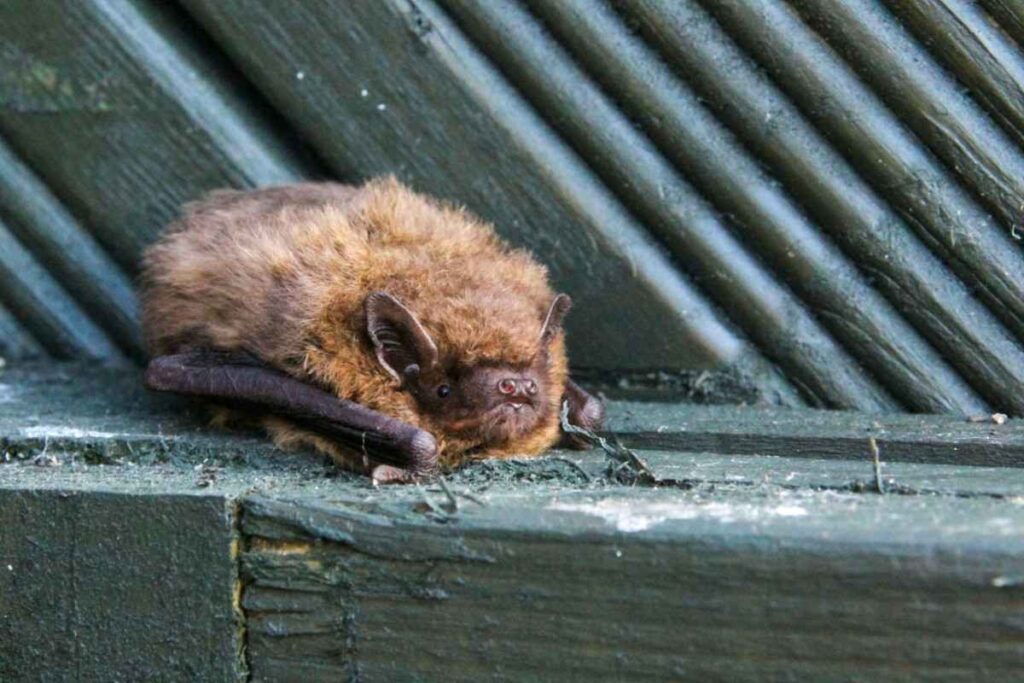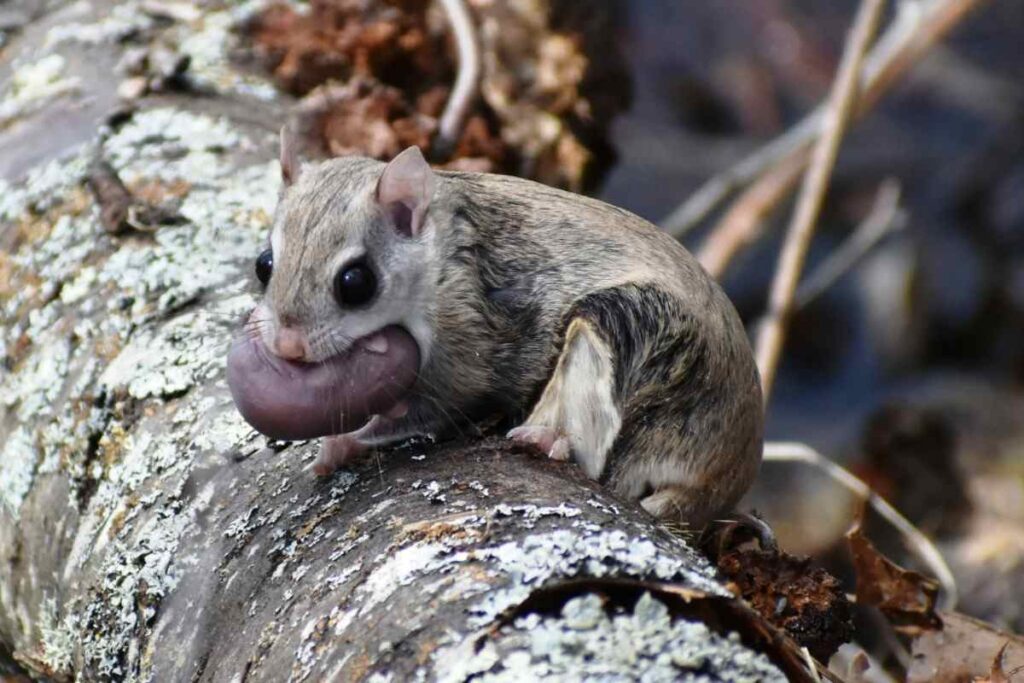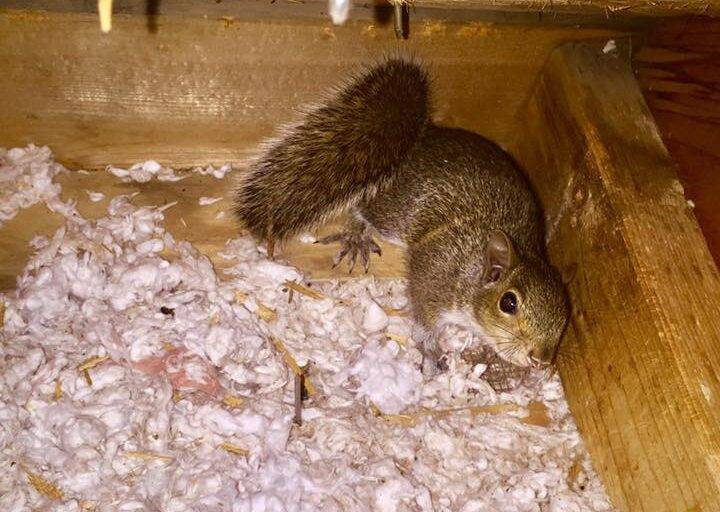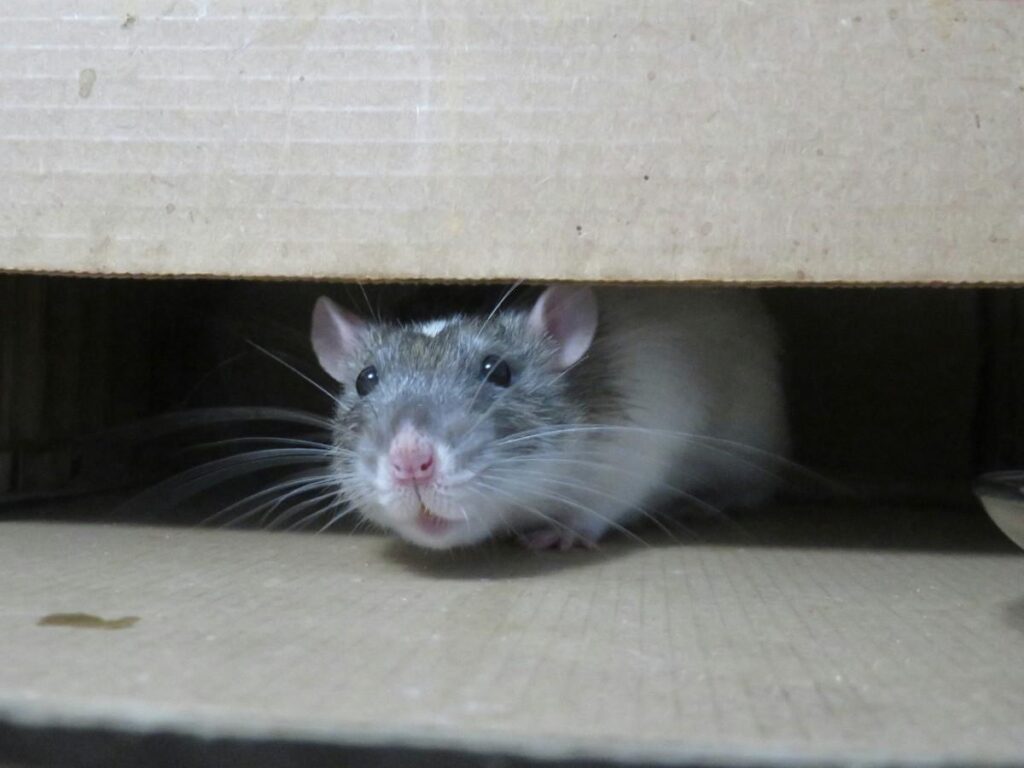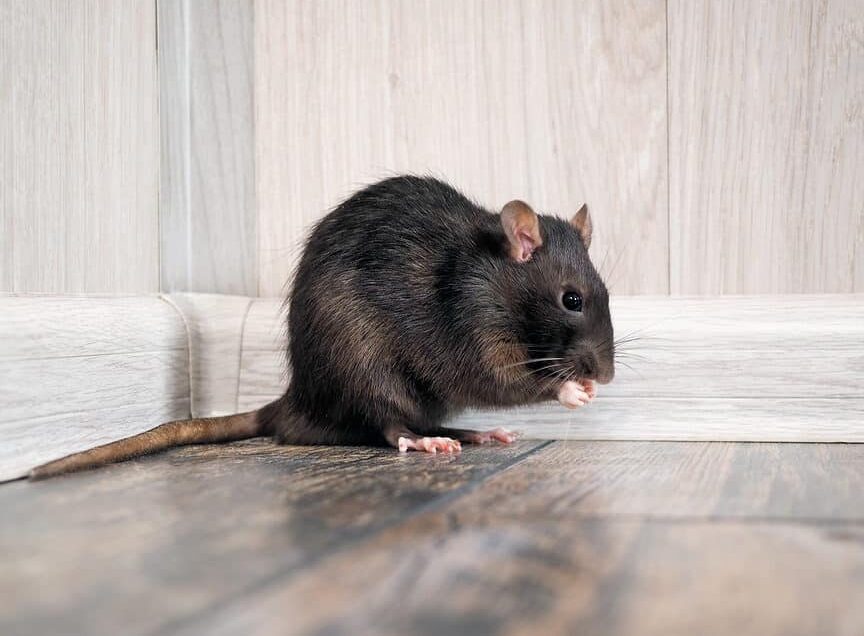
Why DIY Wildlife Removal Usually Fails is an important question for homeowners who hear scratching in the attic, find droppings, or discover an animal around their property. A trap, repellent, or quick repair may seem like an easy solution. However, wildlife problems can continue when homeowners respond to one visible sign without understanding the situation as a whole.
DIY methods do not always fail. Homeowners can handle some simple wildlife conflicts safely when they identify the animal and understand the situation. Problems arise when homeowners misunderstand the animal’s behavior, location, or condition.
5 Reasons Why DIY Wildlife Removal Usually Fails
1. The First Sign Is Mistaken for the Whole Problem
Hearing movement or finding damage can create pressure to act immediately. However, the first sign does not always explain what is happening throughout the property.
Wildlife may remain active when homeowners are not watching, while visible evidence may show only part of the activity. Droppings, gnawing, nesting material, and unusual noises can help identify the animal involved. However, these signs do not always show whether the animal left or whether other animals remain.
Acting before understanding the situation can therefore lead to the wrong decision.
2. The Wrong Removal Method Is Chosen
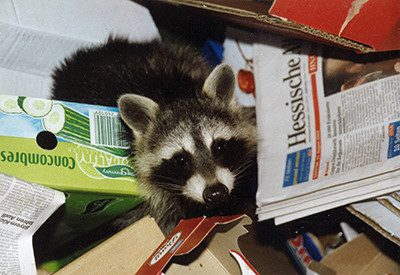
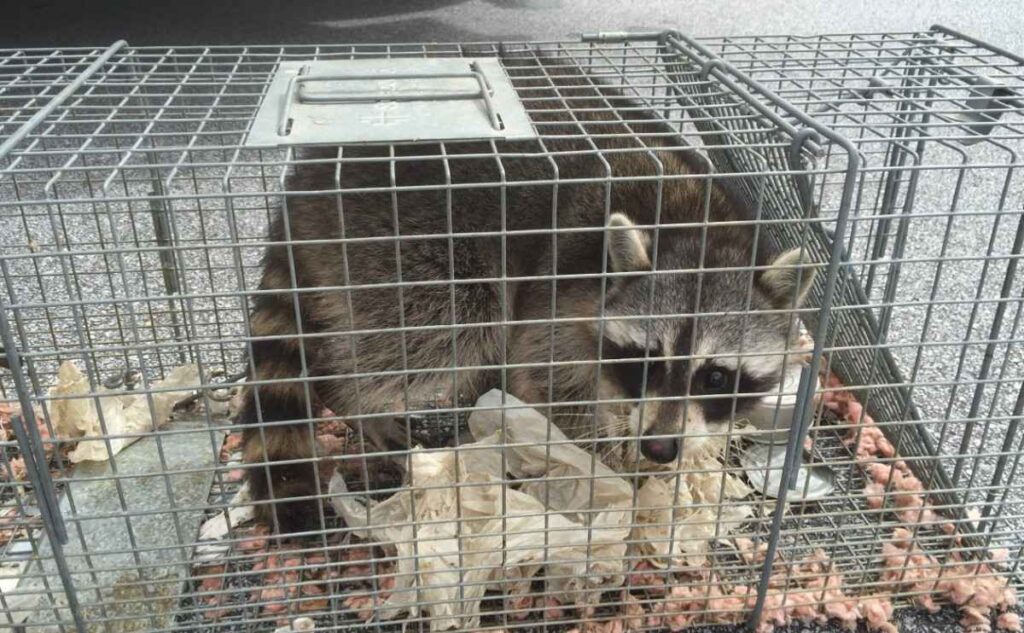
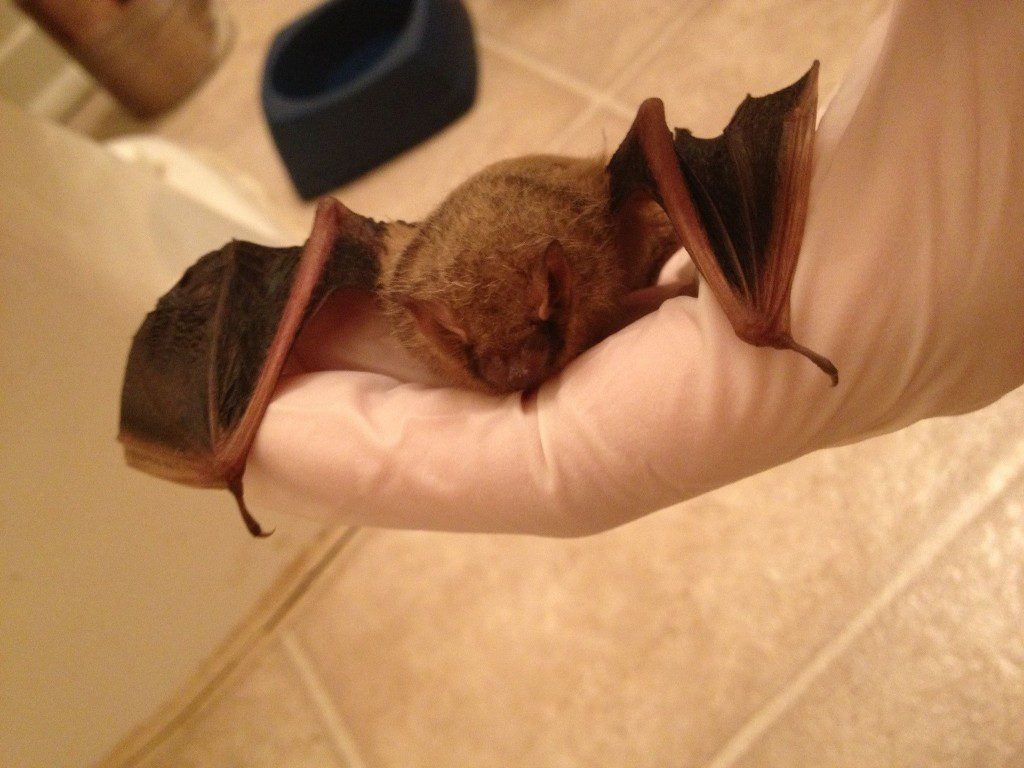
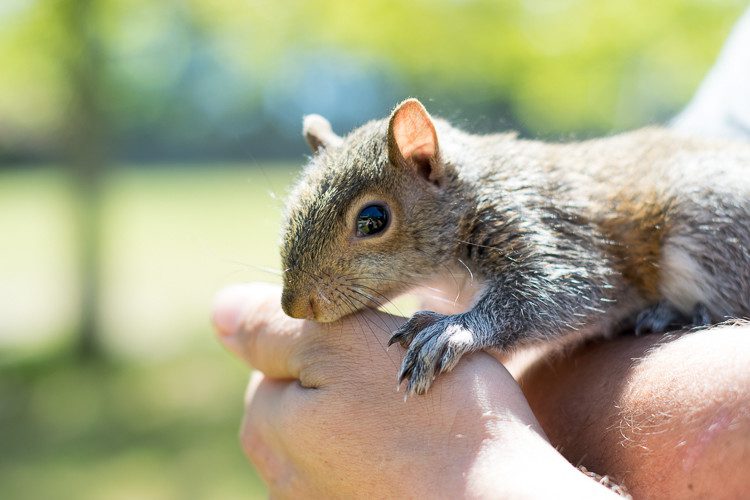
Different animals respond to different approaches. A method that seems reasonable for a mouse may not work for a raccoon, squirrel, bat, or another species.
Repellents can also produce inconsistent results. UGA Extension explains that factors such as timing, animal density, hunger, and previous conditioning can affect their effectiveness. Wildlife may also become accustomed to some deterrents.
Simply choosing a product because a manufacturer markets it for a particular animal does not guarantee success.
3. The Animal's Behavior Is Not Considered
Wildlife does not always react immediately to a trap, device, or disturbance. Some animals may avoid unfamiliar objects, while others may change their behavior when threatened.
An animal that appears to have disappeared may have moved to another part of the structure rather than actually leaving. For rodents, the CDC recommends that homeowners continue monitoring for signs after trapping instead of assuming that one successful catch means the problem has ended.
A lack of visible activity does not always prove that the wildlife problem has ended.
4. A Repair Is Made Too Early
One common DIY mistake involves making a permanent repair before confirming what happens inside the structure.
A homeowner may close an opening after seeing an animal leave. However, another animal may remain inside. In that situation, the repair could create a more serious problem by blocking the animal inside.
This concern becomes especially important when young animals may remain nearby. Homeowners should assess the situation before making a permanent repair rather than relying on one sighting.
5. The Cleanup Is Treated as the End of the Job
Getting wildlife out does not necessarily remove everything the animal left behind.
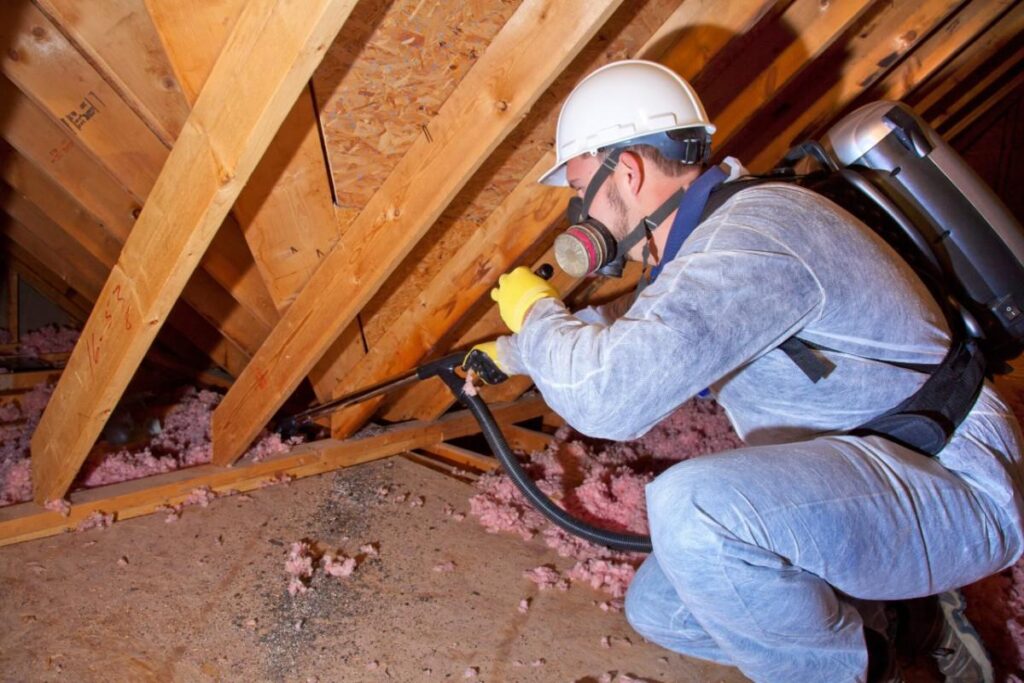
Depending on the species and length of activity, a property may still contain droppings, urine, nesting material, damaged materials, or contaminated insulation. The CDC recommends precautions when homeowners clean areas affected by rodents. It also warns against dry sweeping or vacuuming rodent waste because contaminated particles can become airborne.
For that reason, homeowners should treat removal and cleanup as separate parts of an established wildlife problem.
When a DIY Approach Becomes Riskier
Professional assistance becomes more appropriate when:
- The activity is coming from an inaccessible area.
- The species has not been identified.
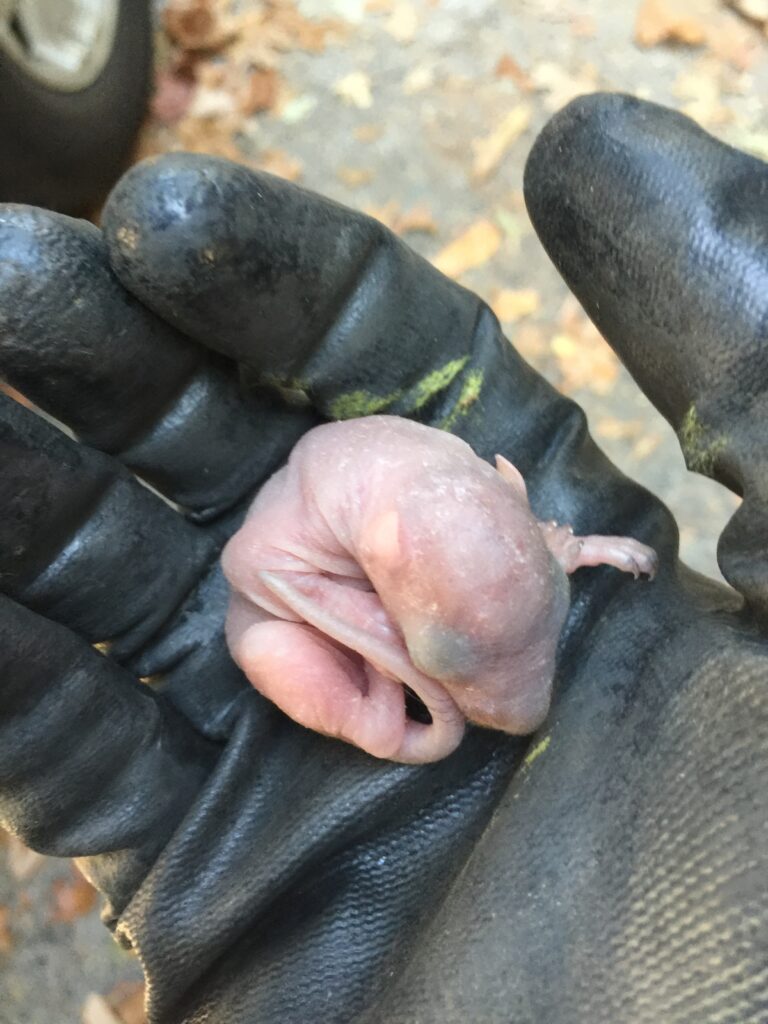
- An animal may have young nearby.
- A previous removal attempt did not work.
- An animal appears trapped inside the structure.
- There is substantial wildlife waste or damaged material.
- The homeowner is unsure whether a repair could block an animal inside.
Georgia DNR provides information for homeowners dealing with wildlife conflicts and resources for nuisance wildlife control operators.
Homeowners can also learn more about wildlife exclusion when a property needs a longer-term solution after wildlife activity is addressed.
What to Do When the First Attempt Fails
Repeatedly changing traps, repellents, or other products may not be the best next step. Instead, step back and evaluate what the failed attempt tells you.
Ask:
- Was the animal correctly identified?
- Was there evidence of more than one animal?
- Did activity actually stop, or did the signs simply change?
- Could an animal still be inside?
- Was the method appropriate for that species and situation?
- Is there damage or contamination that still needs attention?
This changes the approach from repeatedly trying another product to understanding why the original attempt did not produce the expected result.
When Professional Wildlife Help Makes Sense
Not every wildlife issue requires professional intervention. Homeowners may manage a straightforward situation when they clearly identify the animal and face no significant safety, structural, or health concerns.
Professional help makes more sense when the situation remains uncertain, repeated attempts have failed, or the homeowner cannot safely determine what is happening. Georgia DNR advises homeowners that they can hire nuisance wildlife control operators for wildlife removal.
If wildlife has caused damage that requires more than simple cleanup, wildlife damage repair may also be necessary after the animal activity has been addressed.
Frequently Asked Questions
Does DIY wildlife removal always fail?
No. Some straightforward wildlife situations can be handled by homeowners. The challenge is recognizing when the situation is more complicated.
Why did the animal disappear but the problem continue?
The animal may have moved, or additional wildlife may still be present. Temporary silence does not always confirm resolution.
Should I seal an opening immediately after an animal leaves?
Not necessarily. First determine whether other animals or young remain inside. Closing an active opening too soon can create additional problems.
How do I know when DIY removal is no longer appropriate?
Repeated failed attempts, uncertain animal identification, inaccessible activity, possible young, trapped animals, or significant contamination are all reasons to consider professional assistance.
A Better Next Step After DIY Removal Fails
Understanding why DIY wildlife removal usually fails can help homeowners avoid repeating the same unsuccessful approach. If activity continues after you try a trap, repellent, or repair, using another product without reassessing the situation may not solve the underlying problem.
A careful assessment can help determine what is happening, whether wildlife remains present, and what needs attention next. A&A Wildlife & Home Solutions can help homeowners evaluate persistent wildlife activity and determine an appropriate removal and exclusion approach.