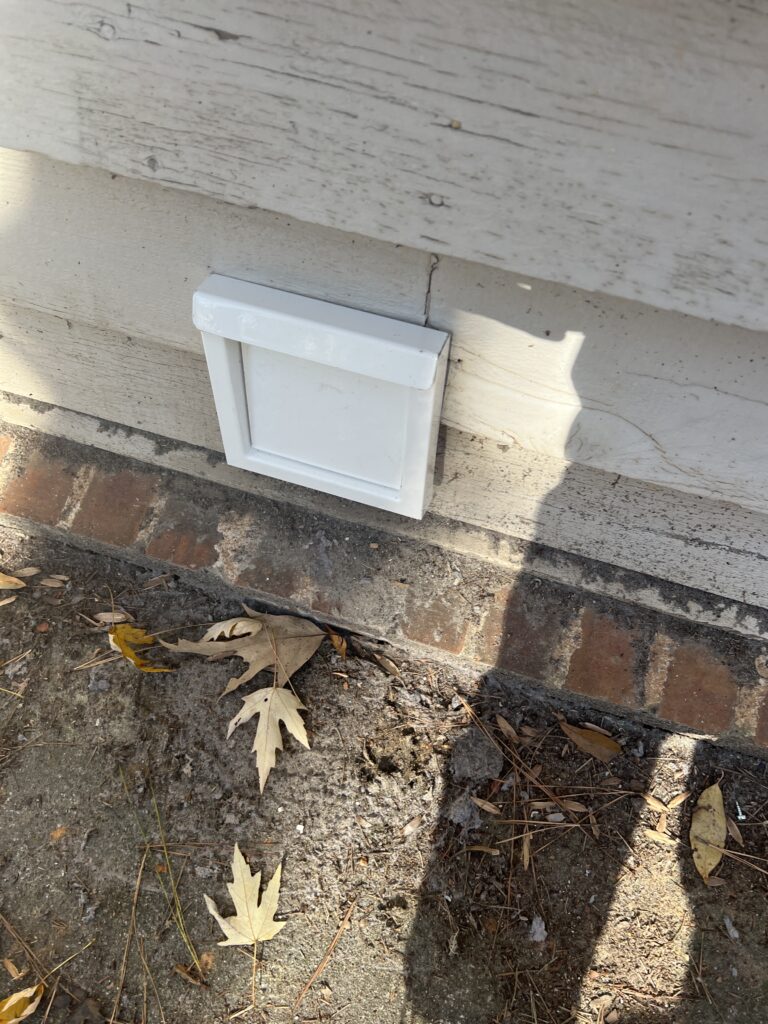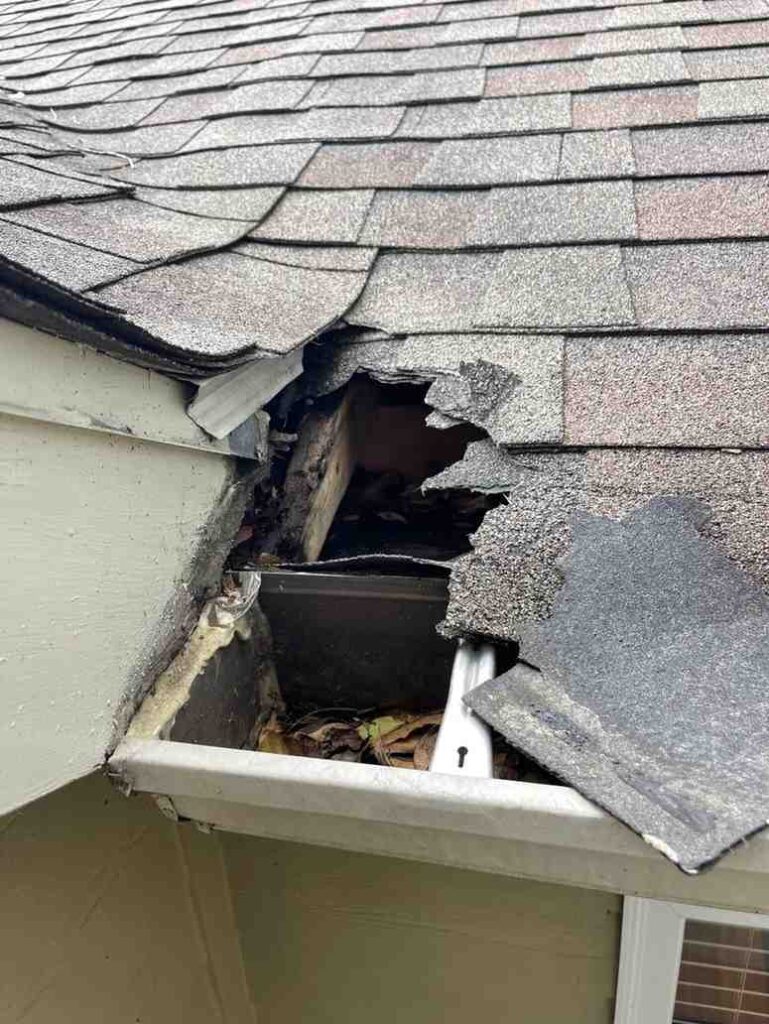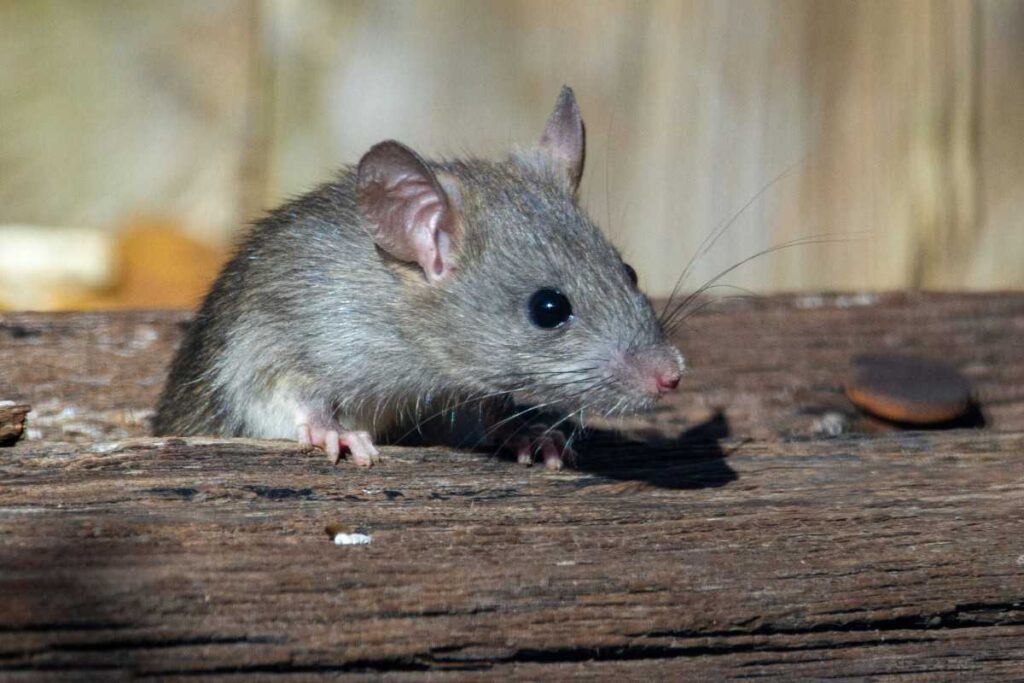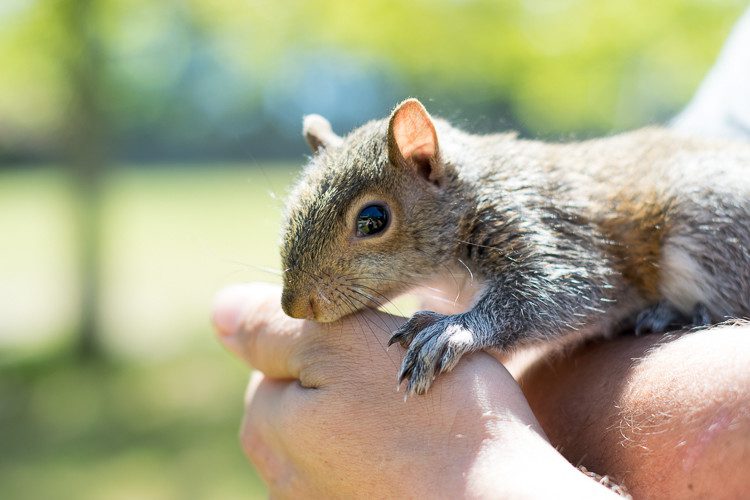
Squirrels can get into Georgia homes through small openings around the roof, soffits, vents, fascia, and other vulnerable areas. Nearby trees can also give squirrels an easy route onto the roof, where they may find an opening into the attic.
Gray squirrels are the most common squirrel species in Georgia and have adapted well to developed areas. UGA Cooperative Extension explains how homeowners can reduce wildlife conflicts by addressing access routes and potential entry points around their homes.
Understanding how squirrels get into Georgia homes can help homeowners recognize potential entry points before a small opening becomes a larger wildlife problem.
Where Squirrels Find Entry Points
Squirrels generally reach an attic from outside the home. Trees, branches, fences, and other structures near a property can provide access to the roof.
Once on the roof, squirrels may investigate vulnerable areas along the roofline. They can enter through damaged materials, gaps around vents, openings near soffits, or other areas where the exterior has become compromised.
Common access points include:
- Roofline gaps and eaves
- Soffits and fascia
- Gable and attic vents
- Damaged siding or roofing materials
- Openings around exterior structures
Areas where nearby trees provide roof access
The visible hole is not always the only issue. A proper inspection should consider how the squirrel reached the roof and whether other openings could allow it to enter again.
Signs Squirrels May Be Inside Your Attic
- Daytime scratching or running sounds
- Repeated squirrel activity around the roof
- Chewed soffits, fascia, or siding
- Damaged vent screening
- Nesting material
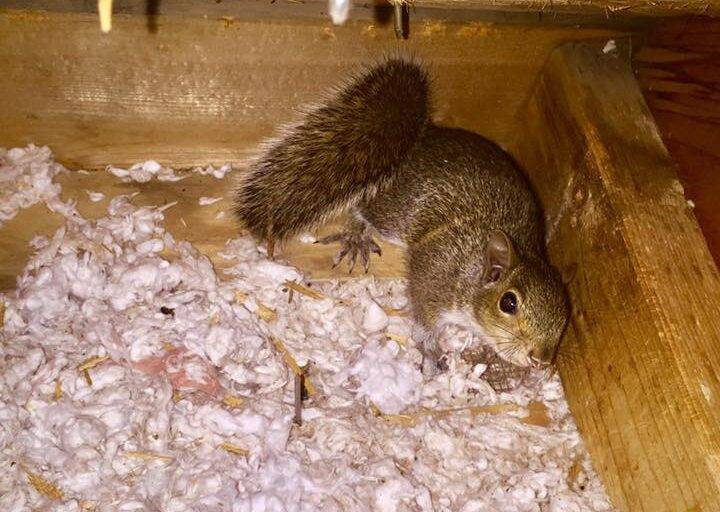
- Damaged insulation
- Visible openings around the roofline
No single sign confirms that squirrels are responsible. Other wildlife can also enter attics. However, several signs occurring together can indicate that the home should be inspected.
Should You Seal a Squirrel Entry Point?
Not before confirming that squirrels are no longer inside.
Sealing an occupied opening can trap an animal in the attic. Before an opening is permanently closed, homeowners should determine:
- Whether squirrels are still inside
- Where they are entering
- Whether additional entry points exist
- Whether young are present
- What damage needs to be repaired
Once the wildlife issue has been properly addressed, vulnerable openings can be secured through an appropriate exclusion process.
Squirrel Damage in Georgia Homes
Solving a squirrel problem involves more than getting the animal out of the attic.
A complete approach can include:
Removal → Exclusion → Home Protection → Restoration
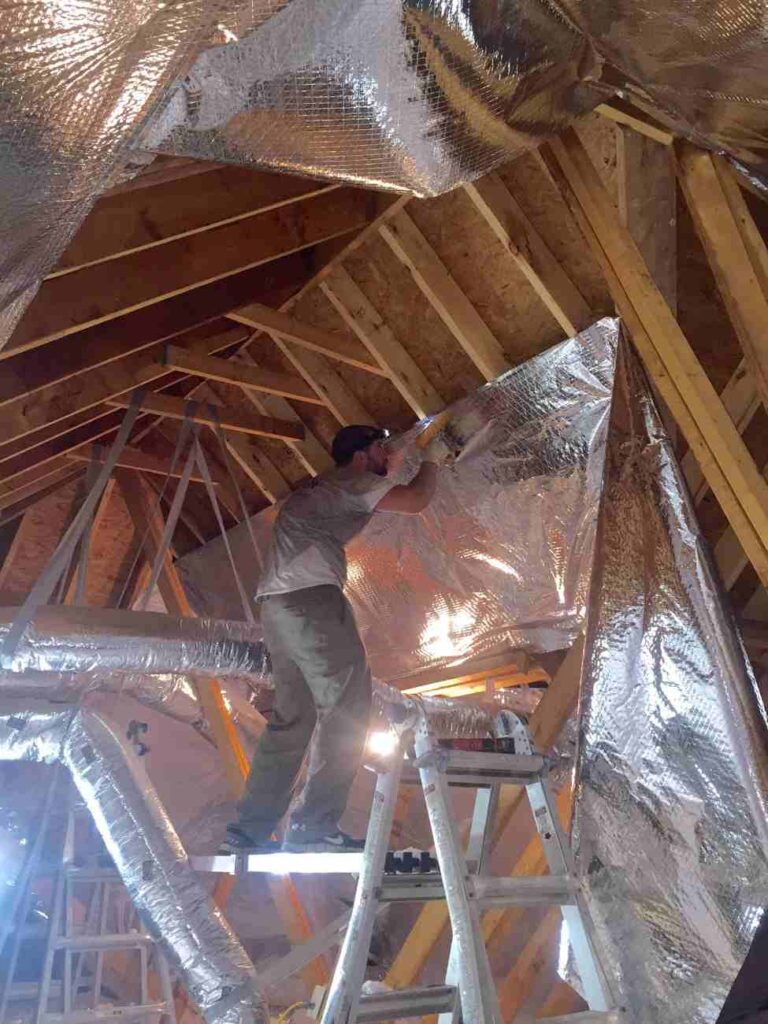
Removal addresses the active wildlife problem. Exclusion secures the openings squirrels have been using. Home protection addresses conditions that make the property easier for wildlife to access. Restoration addresses damage left behind, such as affected insulation or other attic materials.
This approach matters because removing a squirrel without addressing the entry point can leave the home vulnerable to another wildlife intrusion.
A&A Wildlife & Home Solutions provides squirrel removal and exclusion services to help homeowners address active wildlife problems and vulnerable entry points.
If squirrels have damaged attic insulation, insulation removal and replacement may be necessary. More extensive wildlife-related damage may also require attic restoration services.
Frequently Asked Questions About Squirrels in Georgia Homes
How do squirrels get into attics?
Squirrels can reach roofs through nearby trees and enter through roofline gaps, soffits, fascia, gable vents, and damaged exterior materials.
Can squirrels chew their way into a house?
Yes. Squirrels can chew through certain exterior materials, including siding, soffits, and roof materials, to create or enlarge access points.
How do I know if squirrels are in my attic?
Daytime scratching, running, or chewing noises, along with nesting material, damaged insulation, and chewed exterior materials, can indicate squirrel activity.
Should I seal a squirrel entry point?
Do not immediately seal an opening if squirrels may still be inside. The animal should be safely addressed before the entry point is permanently secured.
How can I keep squirrels out of my Georgia home?
Maintain rooflines, soffits, fascia, and attic vents, inspect for openings, and address nearby tree routes that provide easy access to the roof.
Protect Your Georgia Home From Squirrel Entry
Squirrels do not need a large opening to enter a home. A damaged soffit, vulnerable vent, roofline gap, or nearby tree can provide enough access to reach an attic.
If you notice squirrel activity around your roof or hear movement inside the attic, identifying the entry point is an important first step. The long-term solution should address both the active wildlife problem and the conditions that allowed the squirrel to get inside.
For professional help with squirrel removal, exclusion, or attic damage, contact A&A Wildlife & Home Solutions.