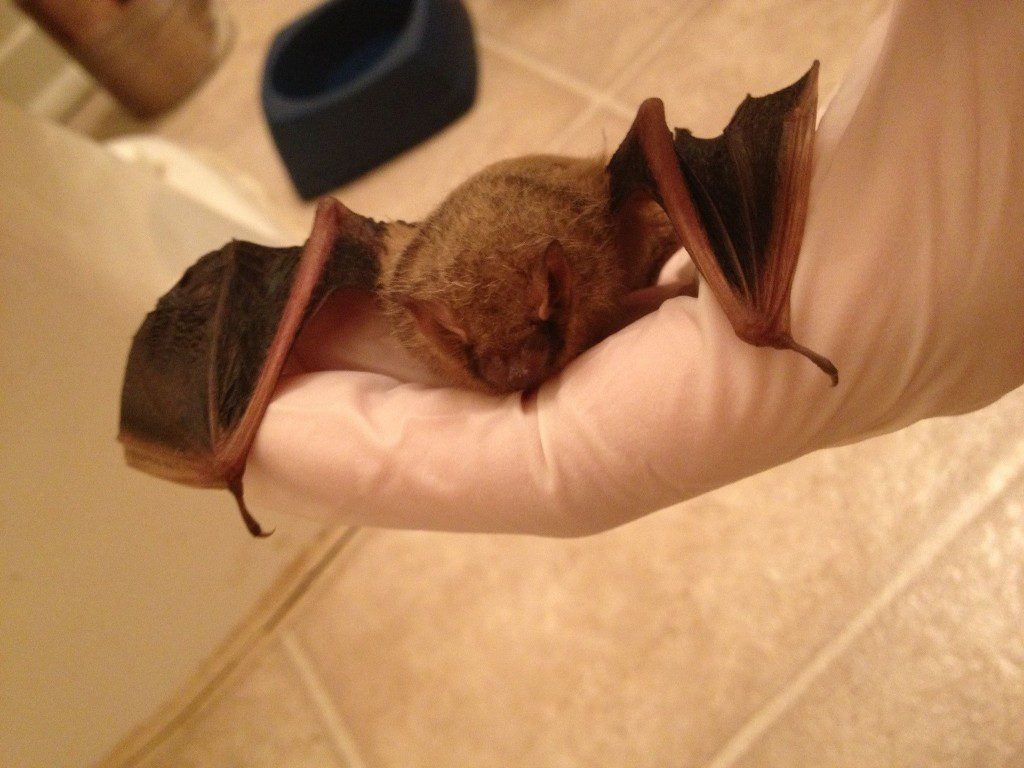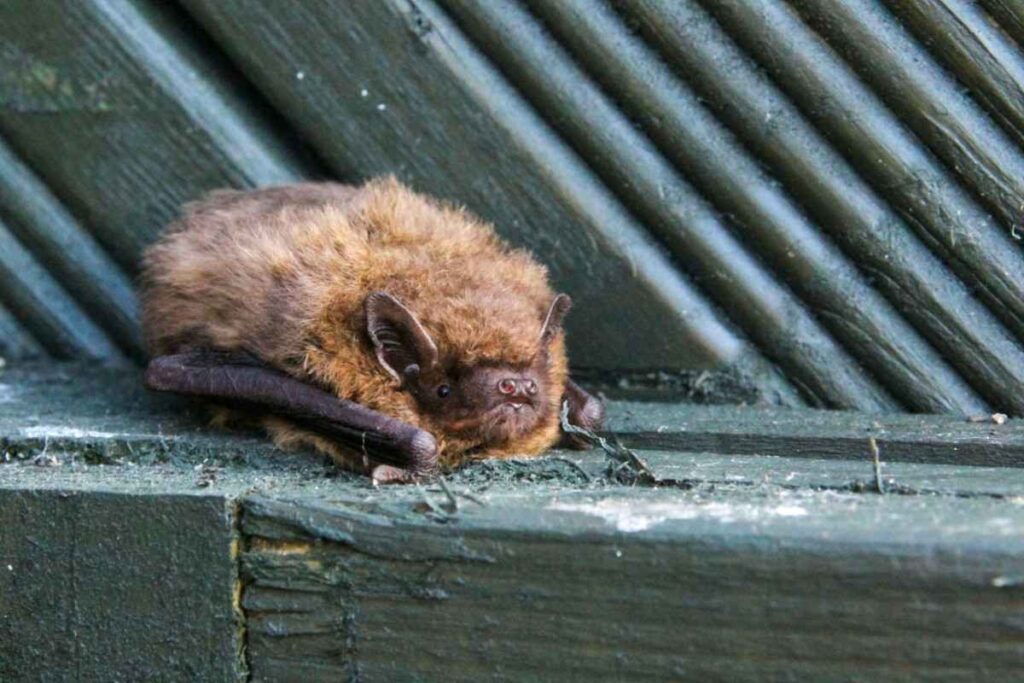
Is Bat Removal Legal in Georgia? Yes, homeowners can legally address bats through appropriate exclusion methods, but Georgia places important restrictions on how and when people should remove bats. Georgia DNR guidance emphasizes exclusion rather than killing bats, and homeowners should take extra care during the maternity season.
For homeowners, the key distinction involves lawful bat exclusion versus methods that could harm or kill bats. Understanding that difference can help you address a bat problem without creating a wildlife violation or trapping young bats inside your home.
What Does Georgia Law Say About Bat Removal?
Georgia DNR’s nuisance wildlife guidance lists bats under “Exclusion Only.” The guidance also states that Georgia does not authorize lethal removal of bats from any location. Georgia DNR recommends exclusion methods that allow bats to leave a structure safely while preventing them from returning.
In practical terms, homeowners should not treat bats like ordinary pests that they can poison, kill, or remove with indiscriminate trapping. Instead, the goal involves letting bats leave safely and preventing them from returning.
That approach usually starts with identifying the openings bats use and then choosing an appropriate exclusion method. Once the bats leave, homeowners can permanently seal the access points.
When Can Bats Be Legally Excluded in Georgia?
One of the most important Georgia-specific considerations involves the bat maternity season, when young bats may not fly independently.
Georgia DNR recommends avoiding bat exclusion from April 1 through July 31 because flightless pups may remain inside a structure. If adult bats leave while their young remain inside, the pups cannot follow them and may die. Georgia DNR advises homeowners to hire a licensed Nuisance Wildlife Control Operator when exclusion becomes necessary during this period.
During this period:
April 1 through July 31: Avoid routine bat exclusion because flightless pups may remain inside.
Young bats inside: Adult exclusion can separate mothers from pups that cannot yet fly.
Urgent situations: A licensed Nuisance Wildlife Control Operator should handle necessary exclusion during the maternity season.
Timing matters: A professional can assess the colony and choose a method that avoids trapping young bats indoors.
The goal involves more than simply getting bats out of the building. Homeowners must also consider the timing and method of exclusion.
Why Does the Maternity Season Matter?
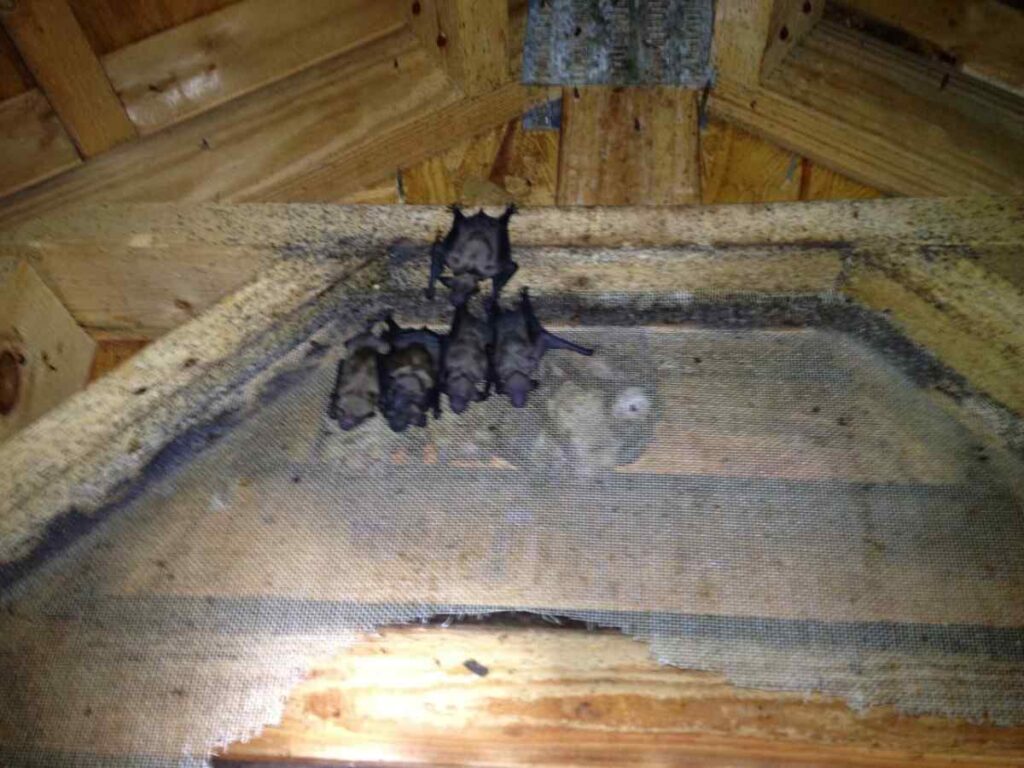
Bat colonies can include mothers and young that depend on one another. A one-way exclusion device can allow adult bats to leave while preventing them from returning. However, flightless pups may remain inside the attic or wall void.
A professional assessment can help homeowners determine:
Where bats enter and exit
Whether a colony occupies the structure
Whether young bats remain inside
Which openings need temporary access
When homeowners can safely complete permanent exclusion
UGA Extension also advises homeowners to avoid exclusion from April through July because pups may not yet fly.
This timing makes bat exclusion different from ordinary pest treatment.
What Should You Do If a Bat Enters Your Home?
A single bat that accidentally enters a living area presents a different situation from a colony occupying an attic. If you are asking is bat removal legal in Georgia after finding one bat indoors, you should also consider possible rabies exposure.
The CDC advises homeowners to avoid direct contact with bats. If a bat touches a person or pet, homeowners should contact a health department or medical professional for guidance because bat bites can leave very small marks. The CDC also advises homeowners to contact public-health officials before releasing a bat after possible exposure.
If no possible exposure occurred, homeowners may sometimes handle a single bat with appropriate precautions. However, professional or local animal-control assistance can provide a safer option when the bat proves difficult to handle.
The legal and health questions therefore require separate consideration. Homeowners may need to remove a bat from a living area, but they should avoid unnecessary handling and follow public-health guidance after possible contact.
How Should Bats Be Removed From a Home?
When considering is bat removal legal in Georgia, homeowners should understand that the appropriate approach generally involves exclusion rather than extermination. This means allowing bats to leave naturally and then preventing them from getting back inside.
A proper exclusion typically involves:
- Finding the entry points — Identify the openings bats are using to enter and exit the structure.
- Assessing bat activity — Determine whether the home contains an established colony and whether young bats may be present.
- Allowing safe exit — Use an appropriate exclusion method that lets bats leave without allowing them to return through the same opening.
- Sealing vulnerable areas — Once the bats leave safely, repair and secure the entry points.
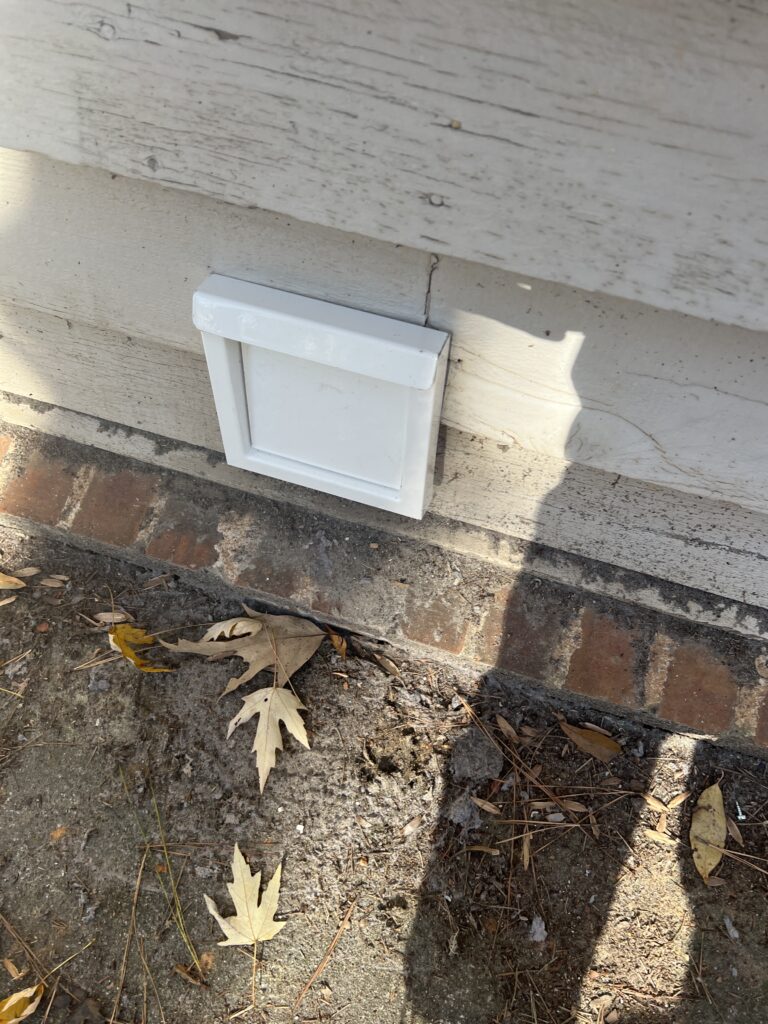
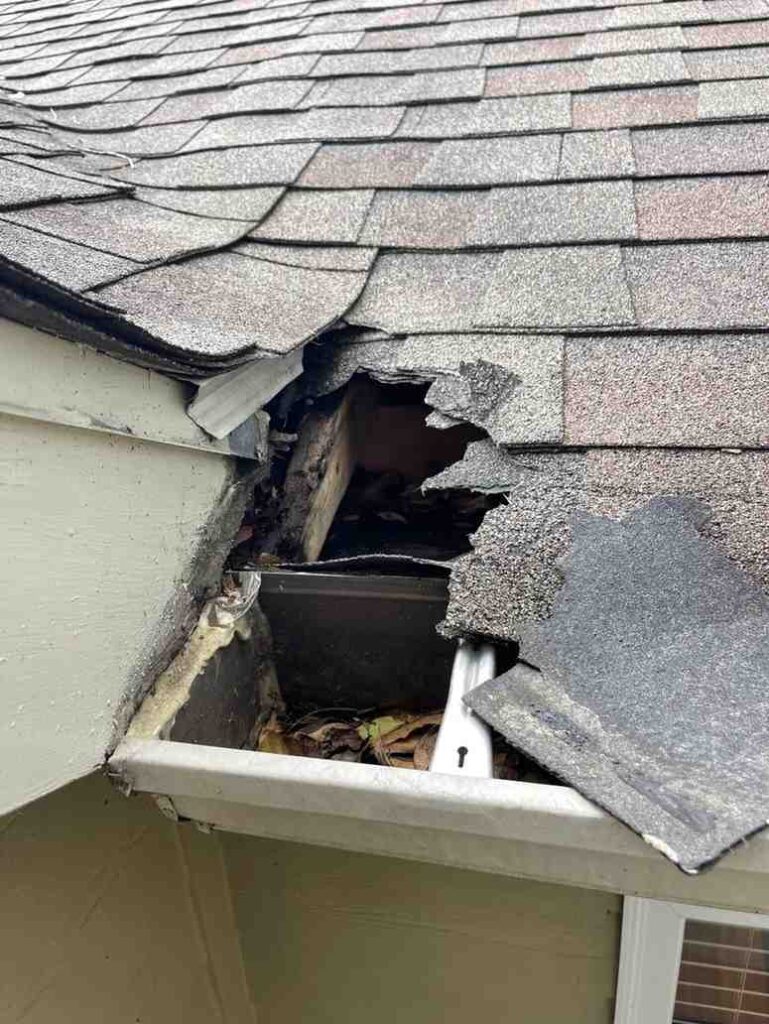
- Checking for additional openings — Inspect the surrounding roofline, soffits, vents, flashing, chimneys, and other potential access points to reduce the chance of re-entry.
Georgia DNR recommends combining wildlife exclusion with structural repairs that prevent bats from accessing the building again.
This approach addresses both the immediate bat problem and the reason the bats were able to enter in the first place.
What If You Find Bat Droppings or Contaminated Insulation?

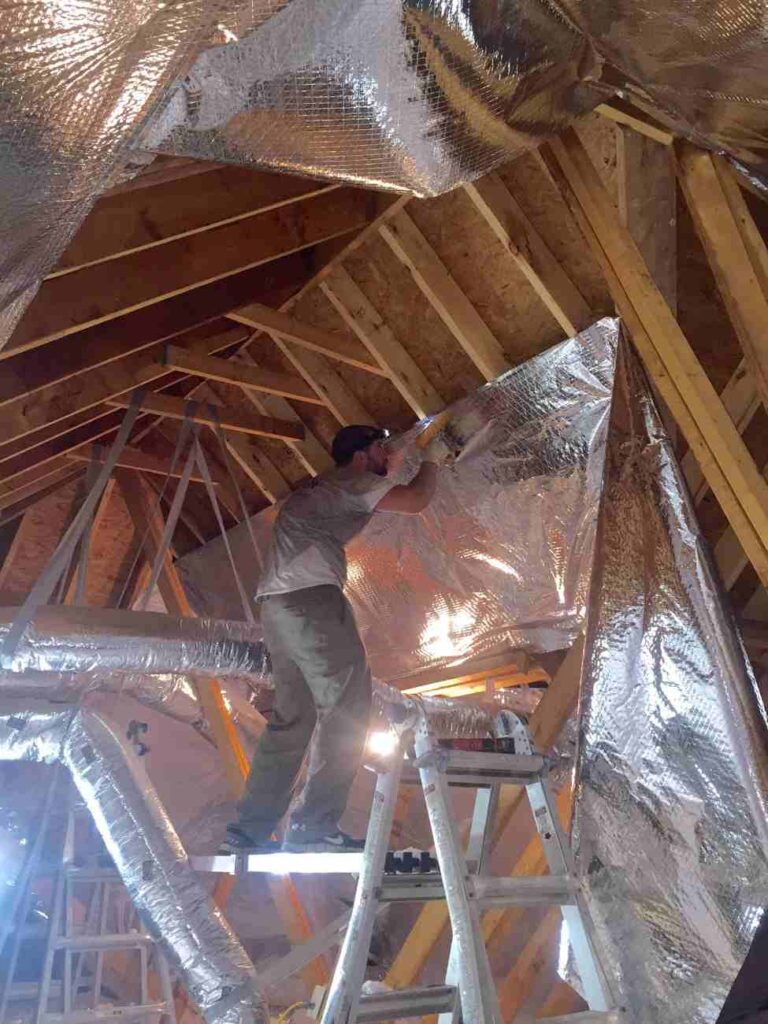
A bat colony can leave accumulated droppings and other debris in an attic or enclosed space. Cleanup represents a separate concern from legal bat removal, but it can become an important part of restoring the affected area.
Homeowners should avoid disturbing large accumulations of animal waste without appropriate precautions. Homeowners should seek professional assessment and cleanup when contamination covers a large area.
A&A Wildlife & Home Solutions also provides bat removal and attic cleanup services for homeowners dealing with established bat activity and affected attic conditions.
Frequently Asked Questions
Is it illegal to kill bats in Georgia?
Georgia DNR’s nuisance wildlife guidance states that lethal removal of bats is not authorized. Bat control is based on exclusion rather than killing the animals.
Can bats be removed from an attic in Georgia?
Yes. Bat exclusion from structures is allowed, but Georgia’s maternity-season restrictions must be considered. From April 1 through July 31, exclusion should generally be avoided unless the situation is handled appropriately by a licensed Nuisance Wildlife Control Operator.
What should I do if a bat touched me?
Avoid handling the bat yourself. Contact your local health department or medical professional promptly for guidance. The CDC notes that bat bites can be very small and may not always be noticed.
When is bat exclusion safest?
Georgia DNR recommends avoiding exclusion during April 1–July 31 because flightless young may be present. The appropriate timing can depend on the specific colony and circumstances.
Handling a Bat Problem Safely
Is Bat Removal Legal in Georgia? Yes, but homeowners must follow appropriate exclusion practices rather than using unauthorized methods that kill bats. The April 1–July 31 maternity period requires particular care because poorly timed exclusion can trap flightless young inside a structure.
If bats enter your attic or another part of your home, start by determining where they enter, whether a colony occupies the structure, and whether the timing allows safe exclusion. A&A Wildlife & Home Solutions can inspect the property and help homeowners determine an appropriate exclusion approach.