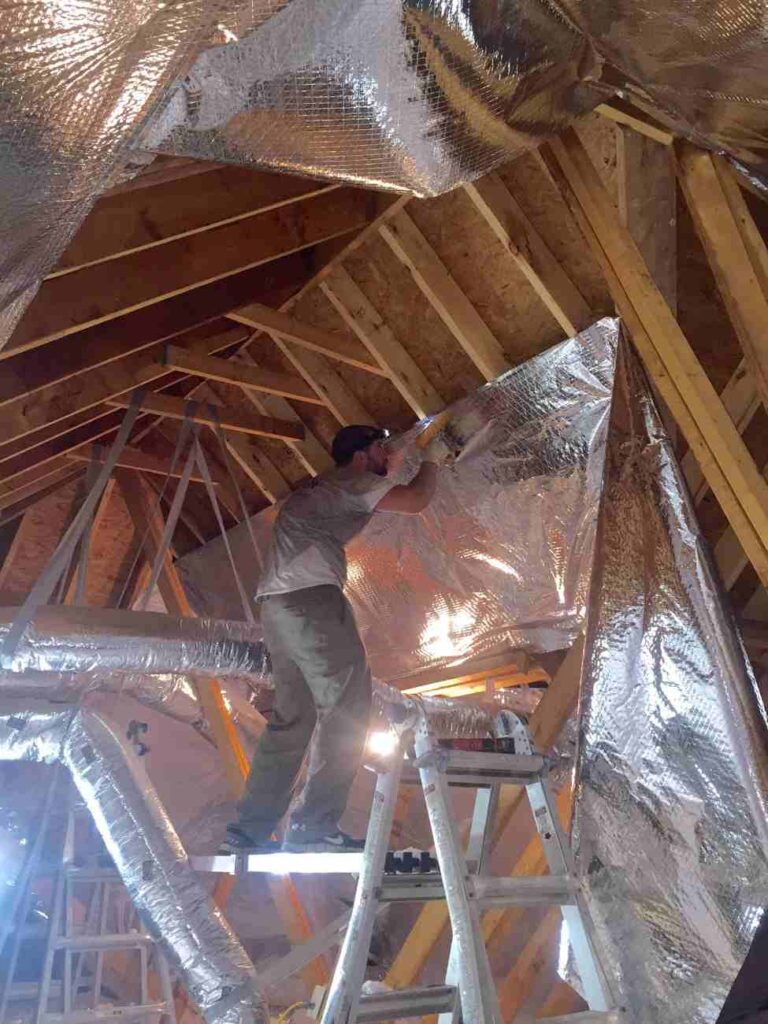
After rodent damage, the best insulation is the one that fits the attic’s condition, design, and insulation requirements. You may need to remove contaminated or heavily damaged material before replacement, while you should also address entry points, moisture problems, and air leaks. For many unfinished attic floors, homeowners use blown-in fiberglass or cellulose, while specific attic assemblies may call for spray foam.
Why Rodent-Damaged Insulation May Need Replacement
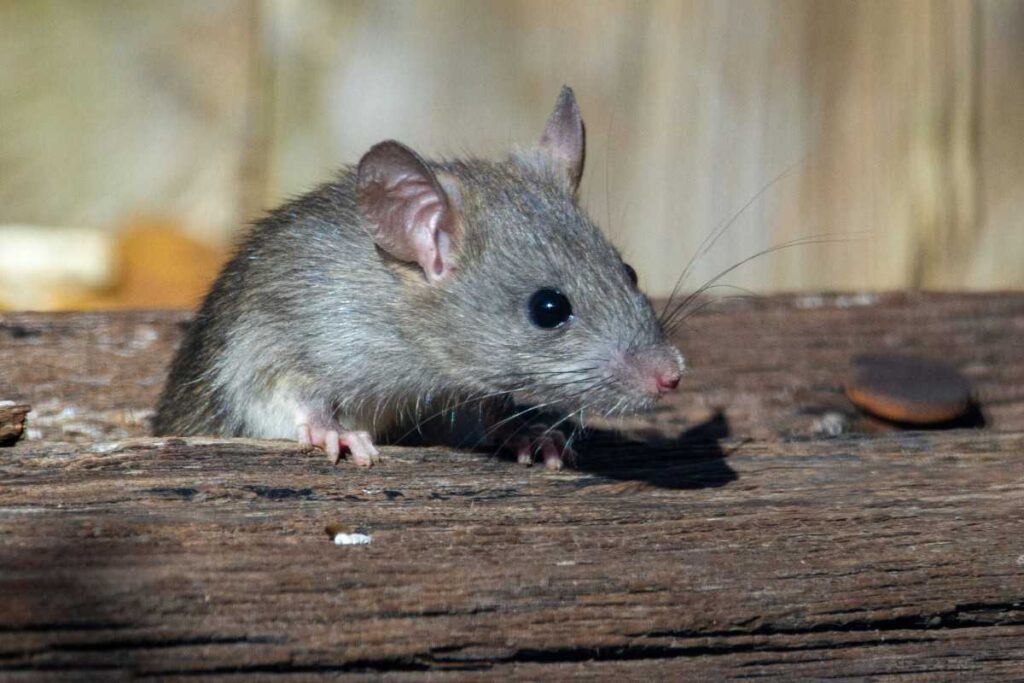
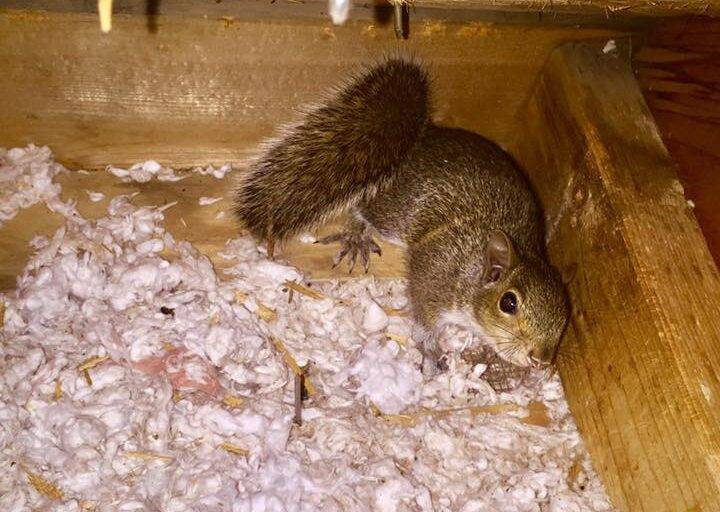
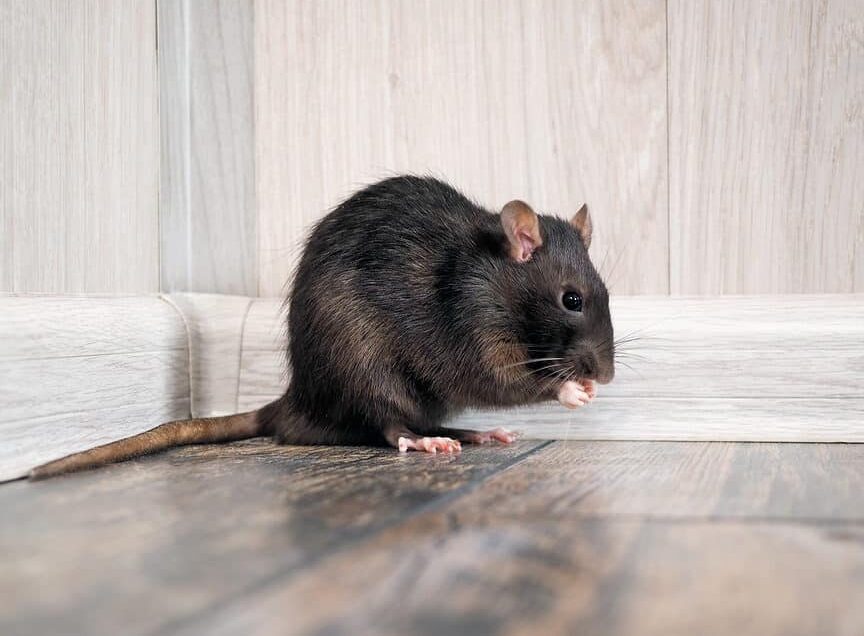
Rodents can disturb insulation by burrowing through it, creating nests, compressing sections, and leaving urine and droppings behind. When rodents significantly contaminate insulation, simply adding fresh material over it does not address the affected insulation underneath.
The CDC advises that insulation contaminated with rodent urine and droppings should be bagged and removed.It also warns against vacuuming or sweeping rodent waste because this can put contaminated particles into the air.
Assess the extent of damage before deciding whether the insulation can remain, needs partial removal, or requires complete replacement.
Best Insulation Options After Rodent Damage

Blown-In Fiberglass
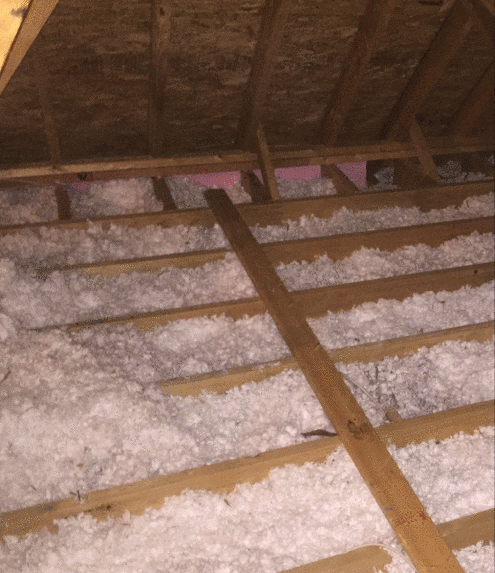
Cellulose
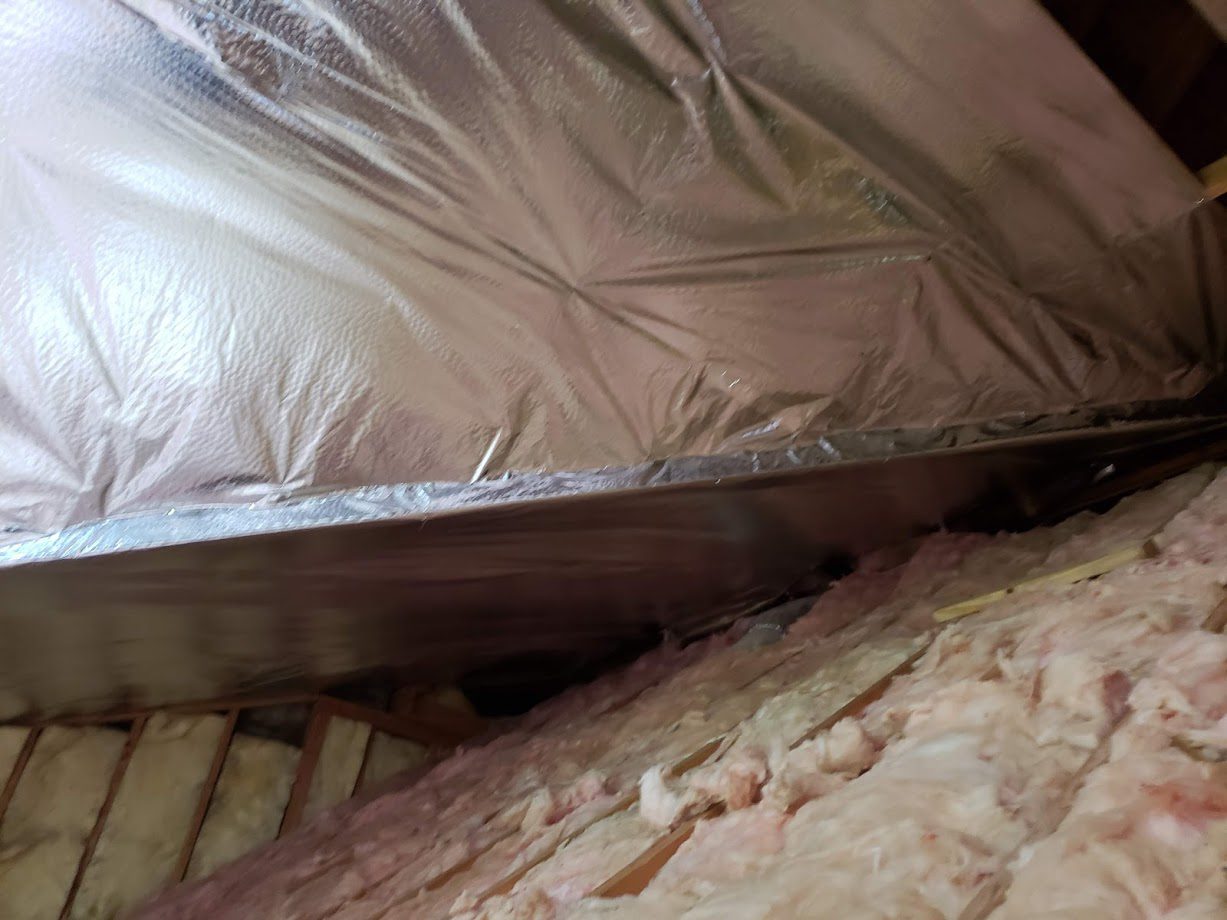
Spray Foam
How to Choose the Right Replacement
The insulation material is only one part of the decision. Choose replacement insulation according to the attic’s physical conditions and performance requirements.
Consider:
- Attic configuration: A vented attic floor and an unvented roof assembly may require different approaches.
- R-value: R-value measures resistance to heat flow, and higher R-values provide greater thermal resistance.
- Moisture conditions: Wet or damp insulation can indicate a roof or ventilation problem that requires attention first.
- Air sealing: Gaps around penetrations and other attic bypasses can reduce the effectiveness of insulation.
- Installation requirements: Loose-fill and spray-applied materials require appropriate equipment, preparation, and installation techniques.
ENERGY STAR notes that insulation performance depends on achieving appropriate levels and maintaining even coverage across the attic.
When Should All the Old Insulation Be Removed?
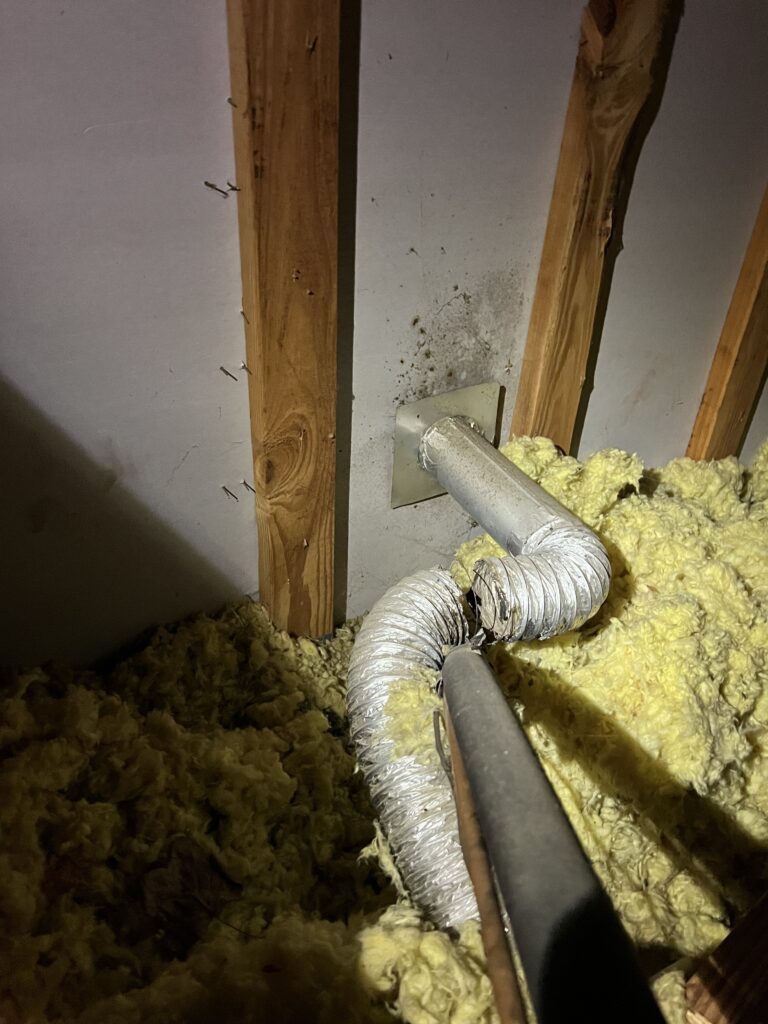
Consider complete removal when rodents have caused widespread contamination, extensive nesting, significant physical damage, moisture damage, or substantial compression and displacement.
Limited damage does not necessarily mean every inch of insulation must be removed. Base the decision on the condition and extent of the affected material.
Contaminated insulation should not simply be covered with clean insulation. The CDC recommends placing insulation contaminated with rodent urine and droppings into plastic bags for removal.
A&A Wildlife’s insulation removal and replacement services can help homeowners determine whether they need to remove damaged attic insulation before restoration.
The Restoration Process Matters as Much as the Insulation
Replacing attic insulation works best when homeowners address the underlying wildlife and building issues first. A typical restoration sequence includes:
- Identify and address current rodent activity.
- Locate and repair accessible entry points.
- Remove contaminated or unsalvageable insulation.
- Clean affected areas using appropriate methods.
- Correct moisture, ventilation, and air-sealing issues.
- Install the selected insulation to the appropriate level.
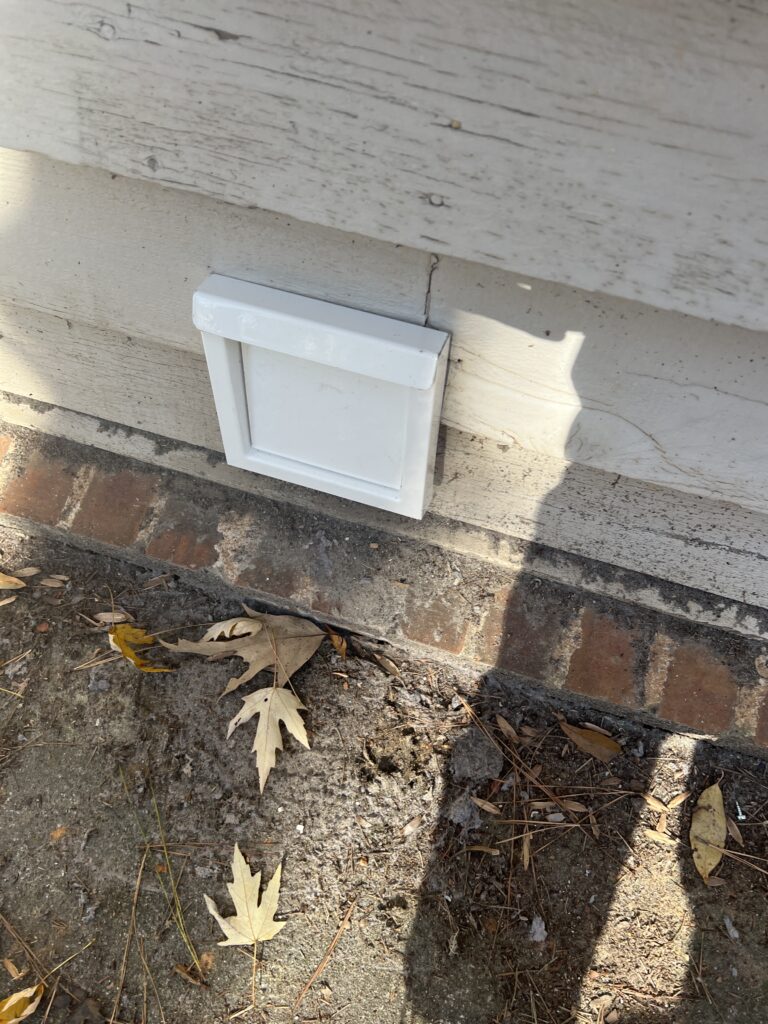
- Confirm that the team has properly protected vulnerable exterior openings.
This sequence helps prevent new insulation from becoming the next place for rodents to nest or contaminate.
How Can You Prevent Future Insulation Damage?
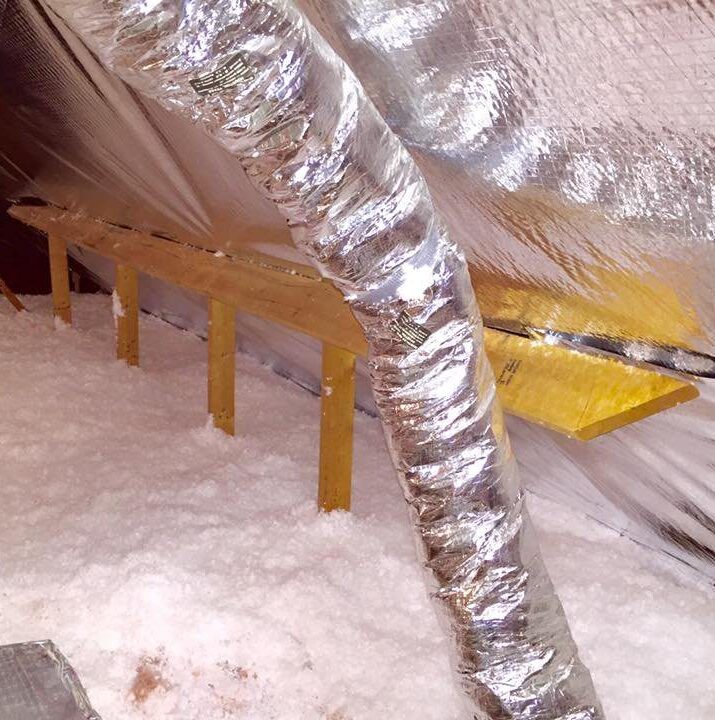
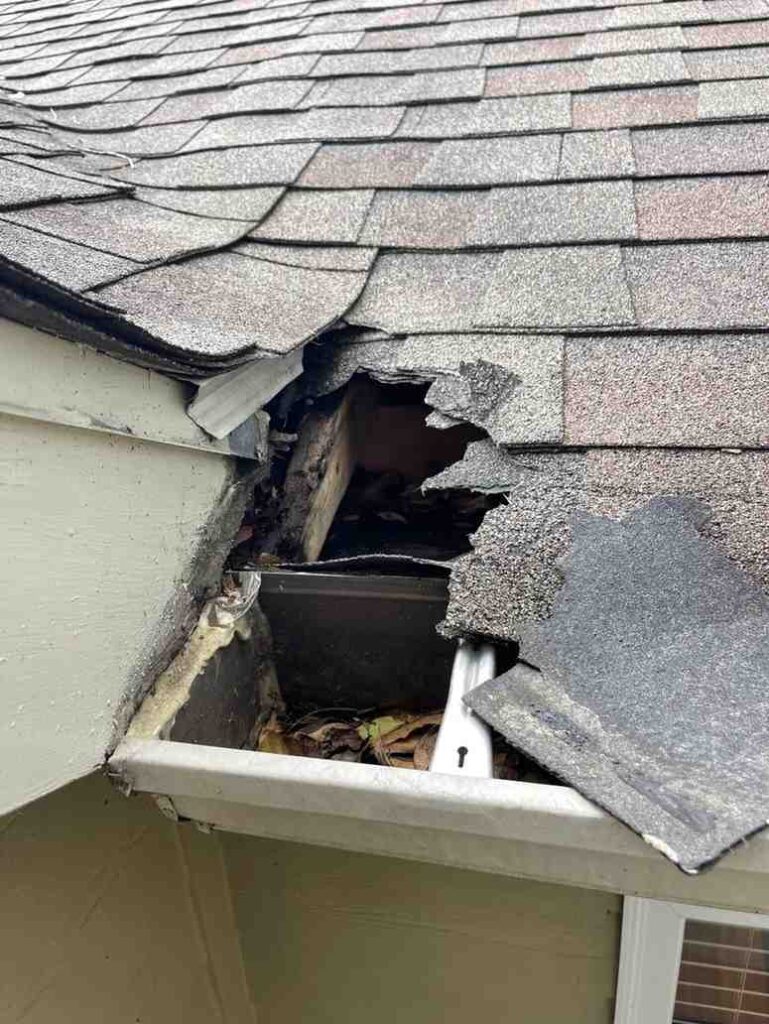
Preventing another infestation starts with keeping rodents out of the attic. Inspect vulnerable areas around the roofline, soffits, vents, penetrations, and other openings where animals may gain access.
Pair insulation replacement with exclusion whenever you identify rodent entry points. Otherwise, the new material may face the same damage as the old insulation.
Homeowners should also address moisture sources and maintain appropriate attic ventilation. ENERGY STAR emphasizes keeping soffit ventilation pathways clear and using proper air-sealing and insulation practices around attic penetrations.
Frequently Asked Questions
Is fiberglass or cellulose better after rodent damage?
Neither material is automatically better for every attic. Both blown-in fiberglass and cellulose are commonly used for unfinished attic floors. The appropriate choice depends on the attic design, moisture conditions, required R-value, and installation requirements.
Can you put new insulation over rodent-damaged insulation?
Not when rodents have contaminated the existing material with urine, droppings, or nesting material. Remove contaminated insulation using appropriate cleanup procedures rather than simply covering it with new material.
Does spray foam stop rodents?
Spray foam can contribute to air sealing, but it should not replace physical rodent exclusion. Identify entry points and seal them properly with suitable materials.
Can rodent-damaged insulation affect indoor air quality?
Yes. Contaminated insulation can become a sanitation concern when it contains rodent urine, droppings, or nesting material. Proper cleanup and removal are important.
Should I replace insulation if rodents are no longer present?
Not always. Clean, dry, and undamaged insulation may not need replacement. Have a professional evaluate heavily contaminated or damaged insulation for removal.
How do I know if attic insulation has rodent damage?
Look for droppings, nesting material, urine stains, odors, or disturbed and compressed insulation. An attic inspection can help determine the extent of the damage.
Restoring Your Attic After Rodent Damage
The goal after rodent damage is not simply to install new insulation. A successful attic restoration addresses contamination, wildlife entry points, moisture concerns, and insulation performance together.Once you evaluate and correct those issues, install the appropriate insulation for the attic’s specific requirements.
If rodents have damaged your attic insulation, A&A Wildlife & Home Solutions can help address the wildlife problem, evaluate the affected area, and determine the appropriate next steps for insulation removal and attic restoration.