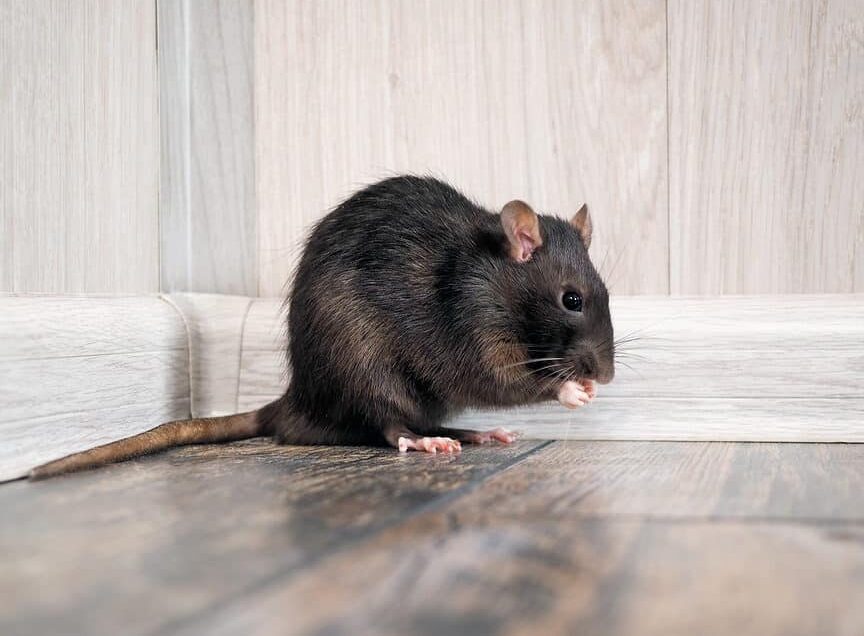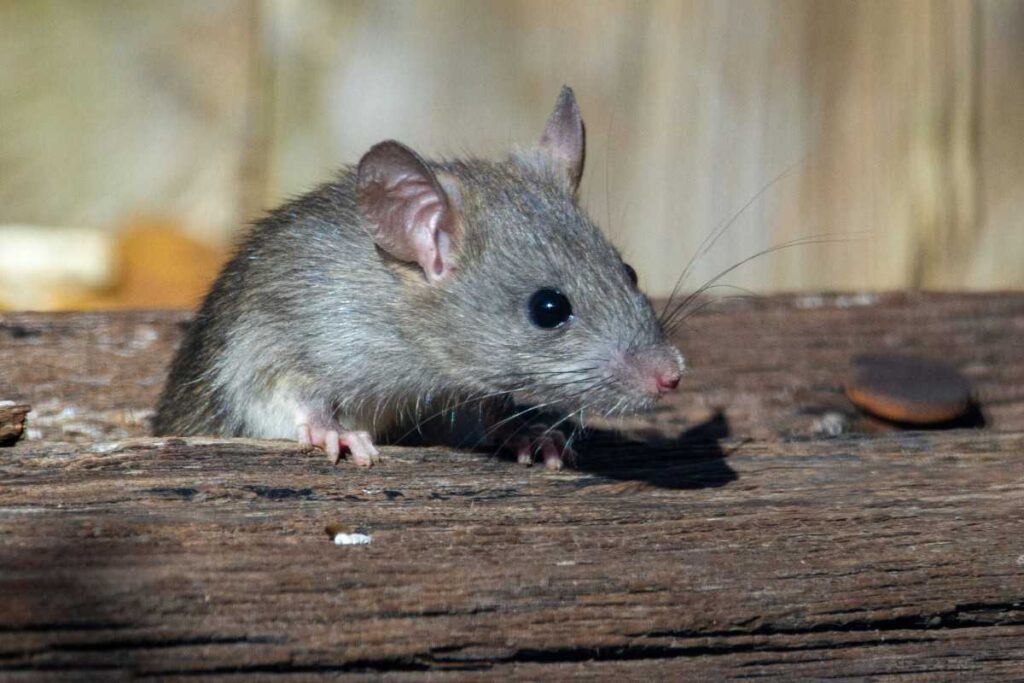
Crawlspaces can look like empty, unfinished areas to homeowners, but why rodents love crawlspaces becomes clear when you consider the conditions they provide. These spaces are often dark, quiet, protected from weather, and connected to openings around foundations, vents, pipes, and utilities.
So, why do rodents love crawlspaces? The answer is not simply that they are hidden. A crawlspace can combine shelter, nesting material, moisture, and convenient access to the rest of the house. For homeowners, the important distinction is that the crawlspace itself may be the shelter rather than the source of food. That helps explain why rodents can remain there even when no food is stored nearby.
Conditions That Support Rodent Activity
Rodents are opportunistic animals. They look for places that make survival easier, and a crawlspace can provide several advantages at once.
Protection From Weather
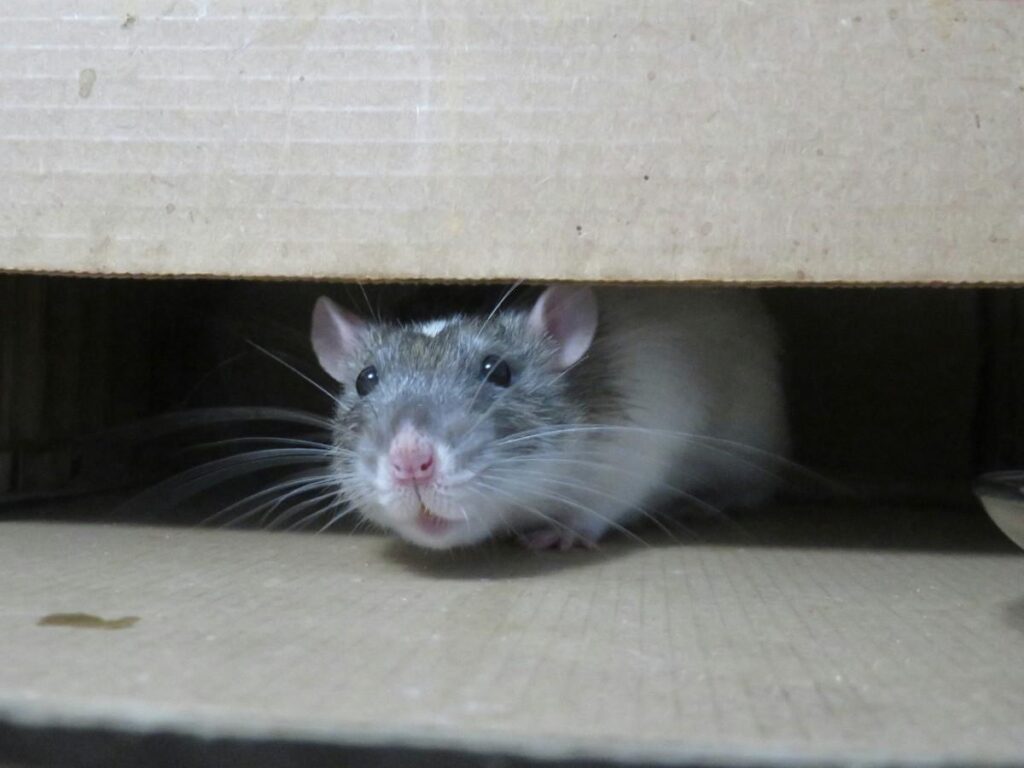
A crawlspace offers shelter from heavy rain, temperature changes, and outdoor disturbances. Unlike an exposed outdoor nest, it provides a protected environment beneath the living area. Darkness also helps. Rats and mice often use concealed routes and protected spaces. Insulation, vapor barriers, stored materials, and structural cavities can create additional hiding and nesting areas.
Easy Access Through Small Openings
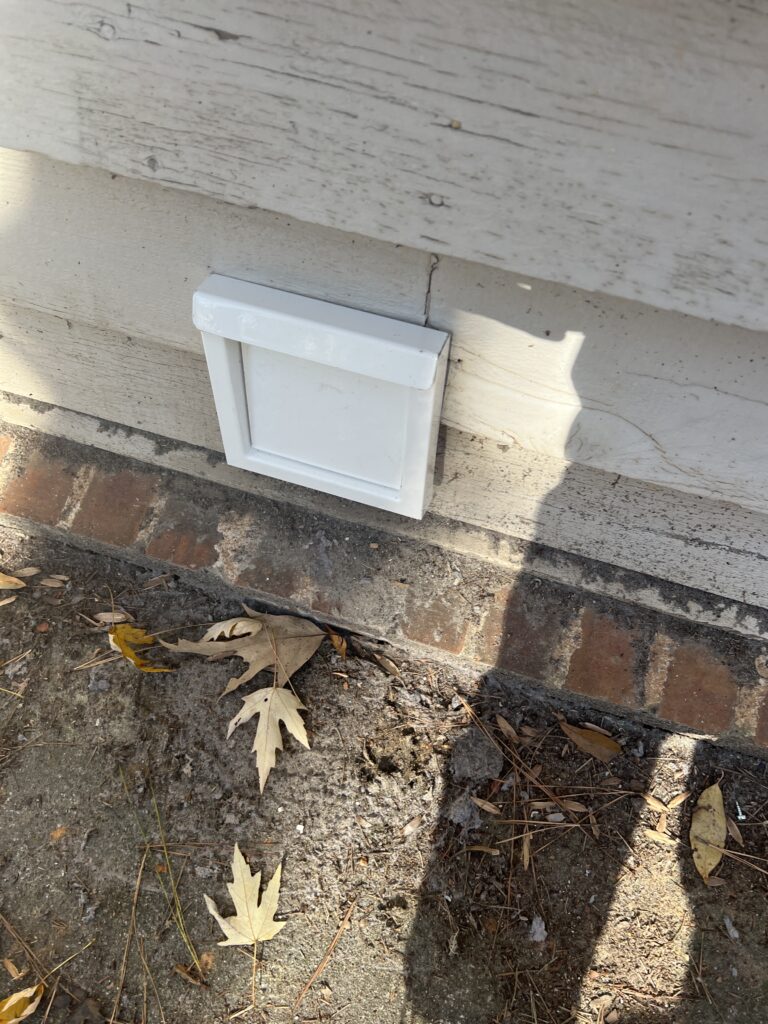
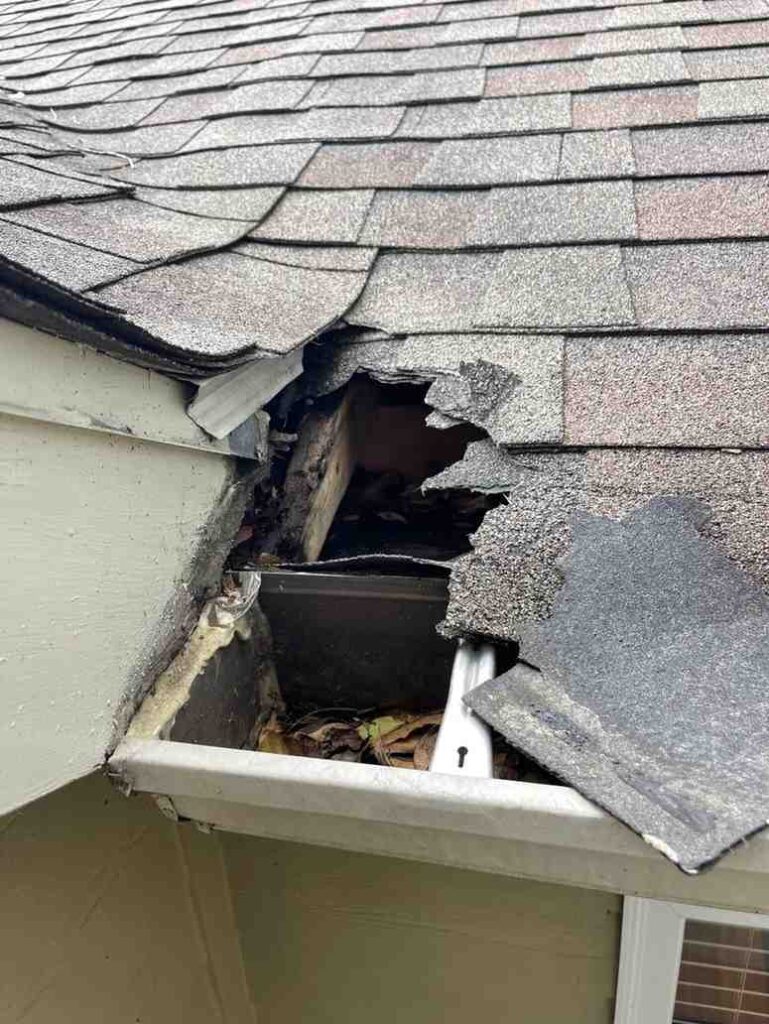
Rodents do not need a large entrance. The CDC notes that mice can squeeze through openings about 1/4 inch wide, roughly the width of a pencil. Crawlspace vents, damaged screens, foundation gaps, and openings around pipes can therefore become entry points. Once inside, rodents may move between the crawlspace, wall cavities, attic, garage, or other parts of the structure.
Moisture and Nearby Water
A damp crawlspace can contribute to an environment rodents may find suitable. Plumbing leaks, condensation, drainage problems, or groundwater intrusion can create persistent moisture. Moisture does not automatically cause an infestation. However, UGA Cooperative Extension recommends checking crawlspaces for moisture, water damage, leaks, and signs of pests during routine home maintenance.
Why Rodents Love Crawlspaces: What They Find There
A crawlspace does not need to contain obvious food for rodents to use it. The area may function mainly as shelter while rodents travel elsewhere to feed.
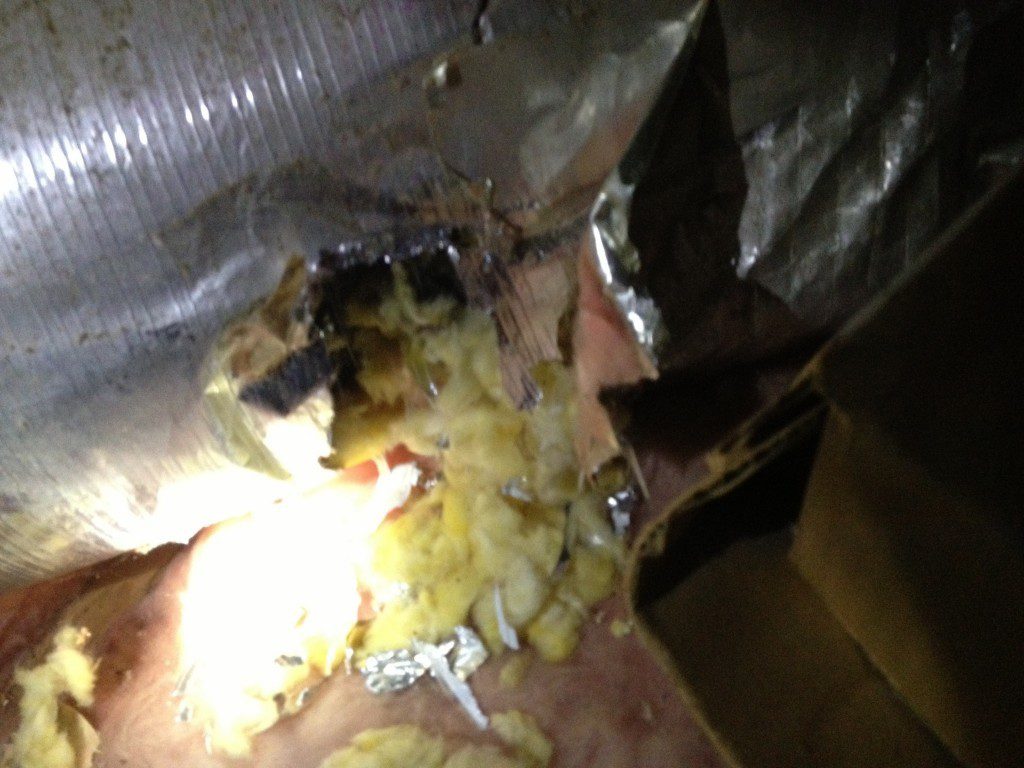
Nesting material is another advantage. Rodents can use insulation, paper, fabric, and other loose materials to build nests. If food and water are available around the property, the crawlspace can become a protected base they return to.
That is why finding a rodent in the crawlspace does not necessarily mean the food source is there. It may be feeding outdoors, in a garage, kitchen, storage area, or another accessible location.
Signs Rodents Are Using the Crawlspace
Rodents are often detected through evidence rather than direct sightings. Look for:
- Droppings near walls, openings, or nesting areas
- Gnaw marks on insulation, wood, plastic, or other materials
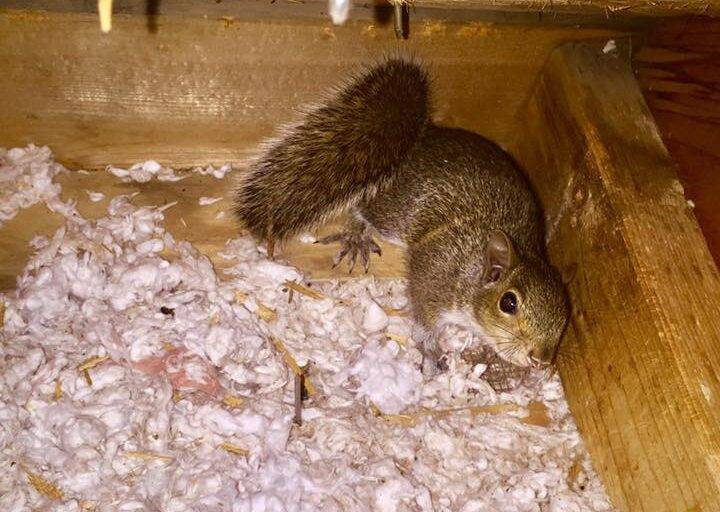
- Shredded insulation or nesting material
- Greasy rub marks or repeated travel paths
- Scratching or movement sounds, especially at night
- Damaged crawlspace screens or new openings
- Persistent animal odors
The CDC identifies droppings and gnaw marks as common signs of rodent activity. Fresh evidence appearing after cleanup can be more useful for determining whether activity is ongoing.
Why Crawlspace Rodents Should Not Be Ignored
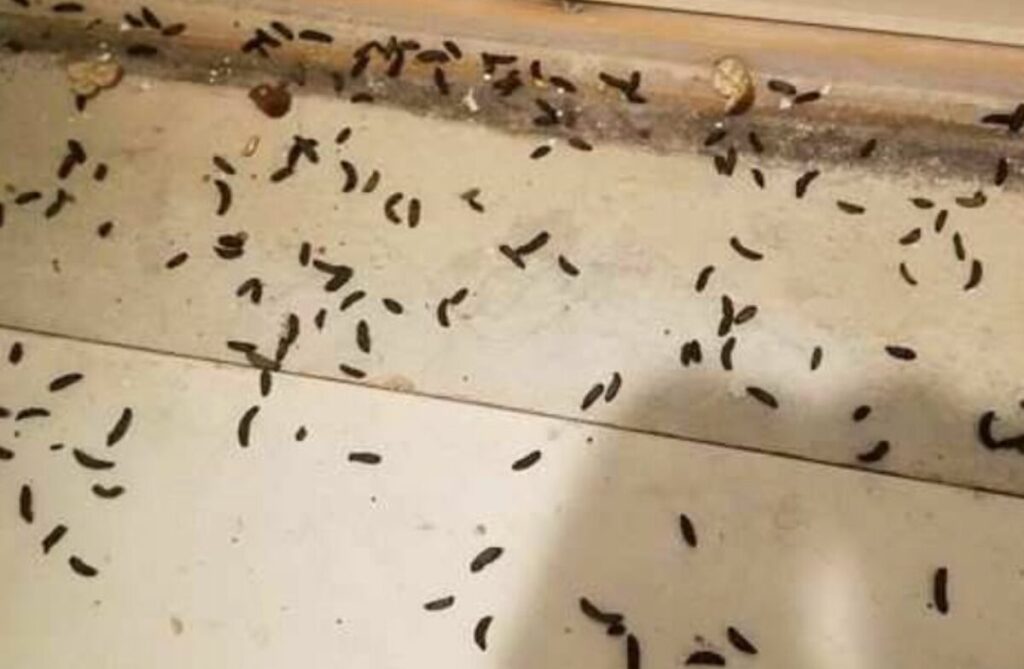
Rodents can contaminate areas with urine, droppings, and nesting material. The CDC recommends taking precautions when cleaning rodent waste because contaminated material can pose health risks.
There can also be property concerns. Rodents gnaw as part of normal behavior, and damage can affect insulation, building materials, and wiring. A crawlspace problem may remain unnoticed longer because the area receives less everyday attention.
If contaminated material is present, do not sweep or vacuum dry droppings. CDC guidance recommends wetting rodent waste with disinfectant before cleanup and using additional precautions for heavier infestations.
How to Make a Crawlspace Less Attractive
Understanding why rodents love crawlspaces can also help homeowners focus on the conditions that allow rodents to enter and remain.
Inspect crawlspace vents, foundation walls, access doors, utility penetrations, and other openings. Seal gaps with materials appropriate for the opening and location. The CDC recommends checking both inside and outside the home for potential entry points.
Also:
- Keep garbage in tightly closed containers.
- Store pet food, bird seed, and animal feed securely.
- Remove brush, debris, and clutter near the home.
- Repair plumbing or drainage problems that create persistent moisture.
- Keep crawlspace vents and screens in good condition.
Sealing one visible hole may not solve the problem if another opening remains accessible.
When Crawlspace Rodent Problems Need Attention
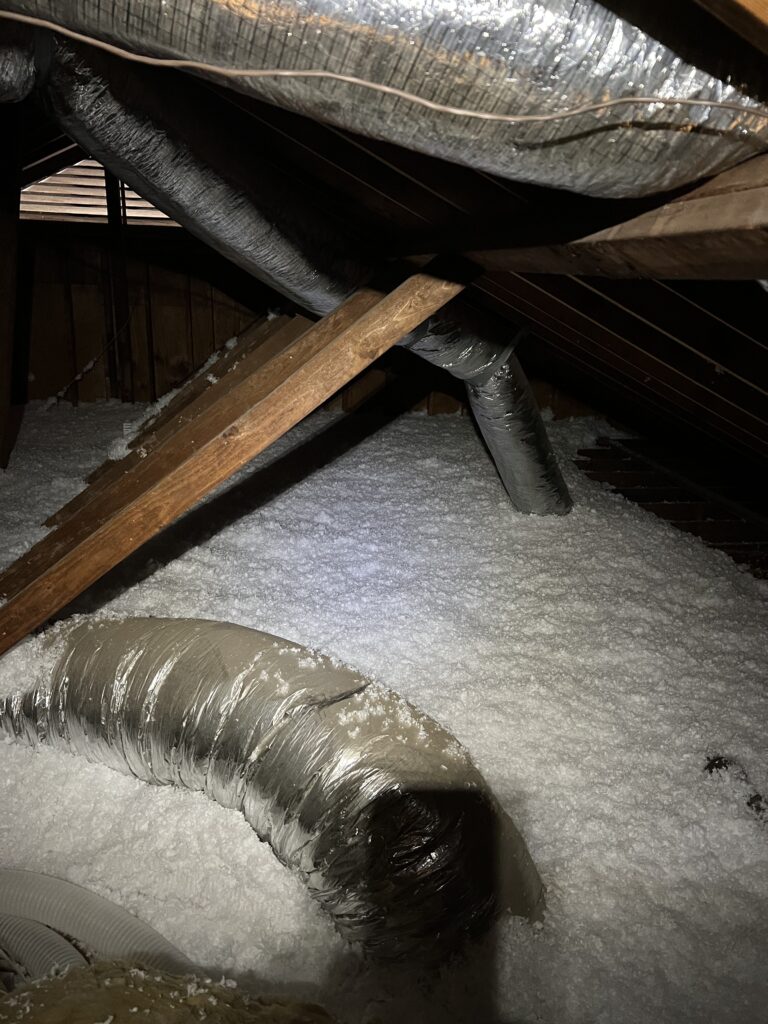
If you find repeated droppings, hear activity, or discover damaged insulation and entry points, the issue is not only removing the rodent. You also need to determine how it entered and whether other access points remain.
A professional inspection can evaluate the crawlspace, foundation, vents, and other vulnerable areas for activity and entry points. Rodent Control Services and Rat Removal Services from A&A Wildlife & Home Solutions focus on inspection, removal, exclusion, and restoration.
The goal is to address the active problem while reducing the opportunity for another rodent to enter through the same opening.
Frequently Asked Questions
Can mice enter a crawlspace through a very small gap?
Yes. The CDC states that mice can enter openings about 1/4 inch wide, so small gaps around vents, pipes, and foundations matter.
Does a damp crawlspace always mean rodents will move in?
No. Moisture can contribute to favorable conditions, but rodents still need access and suitable shelter.
Can rodents stay in a crawlspace without entering the living area?
Yes. Rodents may use a crawlspace primarily for shelter and nesting while searching for food elsewhere. However, openings between the crawlspace and home can allow them to move into wall cavities or living spaces.
What attracts rodents to a crawlspace besides food?
Rodents are attracted by shelter, darkness, nesting materials, and protected areas. Insulation, clutter, gaps, and undisturbed spaces can make a crawlspace suitable for nesting even when food is not stored there.
Will sealing one crawlspace opening keep rodents out?
Not necessarily. Rodents can use multiple access points, including foundation gaps, damaged vent screens, and openings around pipes or utilities. A thorough inspection is important before sealing entry points.
Should I clean rodent droppings myself?
For small amounts, follow CDC cleanup precautions and never sweep or vacuum dry droppings. Heavier contamination may require additional protective measures.
If you suspect rodents are using your crawlspace, A&A Wildlife & Home Solutions can inspect the area, identify likely entry points, and explain the appropriate next steps.