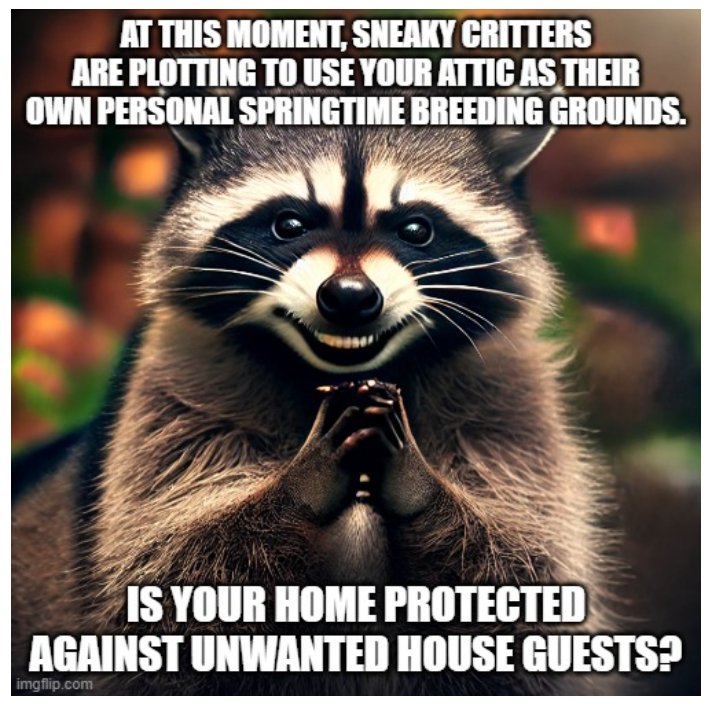
Wildlife exclusion is the process of identifying how wild animals enter a home and then using appropriate barriers, repairs, or other measures to prevent them from getting back inside. Unlike removal alone, exclusion addresses the opening or condition that allowed the animal to enter in the first place.
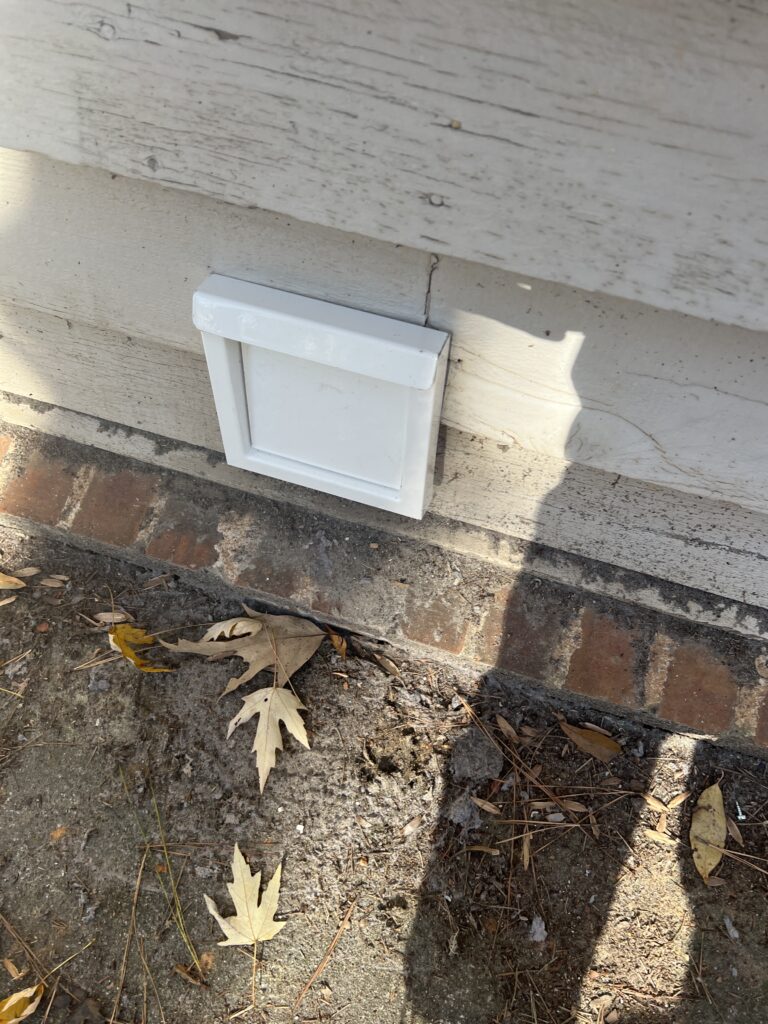
For homeowners, that distinction matters. An animal may leave or be removed, but an open roofline gap, damaged vent, loose soffit, or other access point can still leave the home vulnerable. UGA Cooperative Extension describes exclusion as creating a physical barrier to keep wildlife from entering buildings and identifies common access locations such as chimneys, soffit vents, gables, doors, windows, dryer vents, and openings around pipes and cables.
Why Do Wild Animals Enter Homes?
Wildlife may enter a home because it provides shelter, nesting space, food, water, or protection from weather. Attics, crawlspaces, wall voids, rooflines, and other enclosed areas can provide protected places for animals to rest or raise young.
Georgia DNR recommends reducing conditions that attract wildlife, including accessible food, water, vegetation, and other sources of shelter. However, removing attractants alone may not solve a problem when an animal has already discovered a reliable way into the structure.
Once an opening becomes an established access route, securing that vulnerability can be an important part of preventing repeated problems.
Common Wildlife Entry Points Around a Home
Wildlife can enter through surprisingly small or poorly protected openings. Common areas to inspect include:
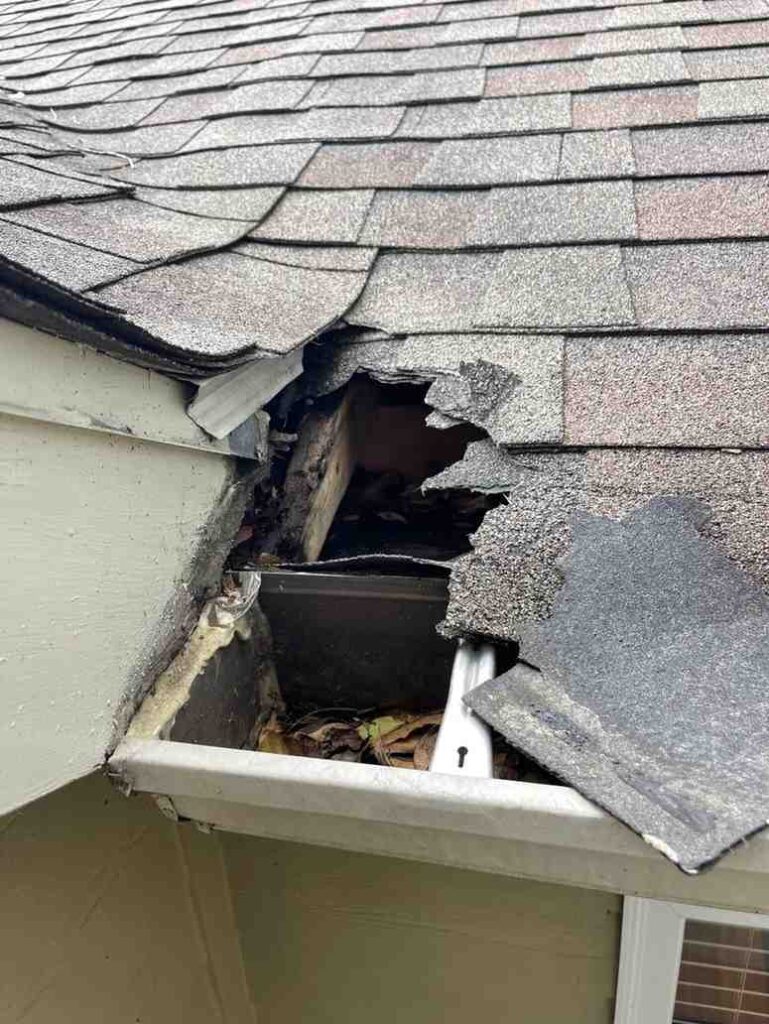
- Roofline gaps where roofing, fascia, or soffits meet
- Damaged or missing soffit and gable-vent screens
- Unprotected or damaged chimney openings
- Gaps around utility lines, pipes, and cables
- Damaged crawlspace vents
- Openings around doors and windows
- Weak areas created by deteriorated siding, trim, or roof materials
- Dryer and other exterior vents
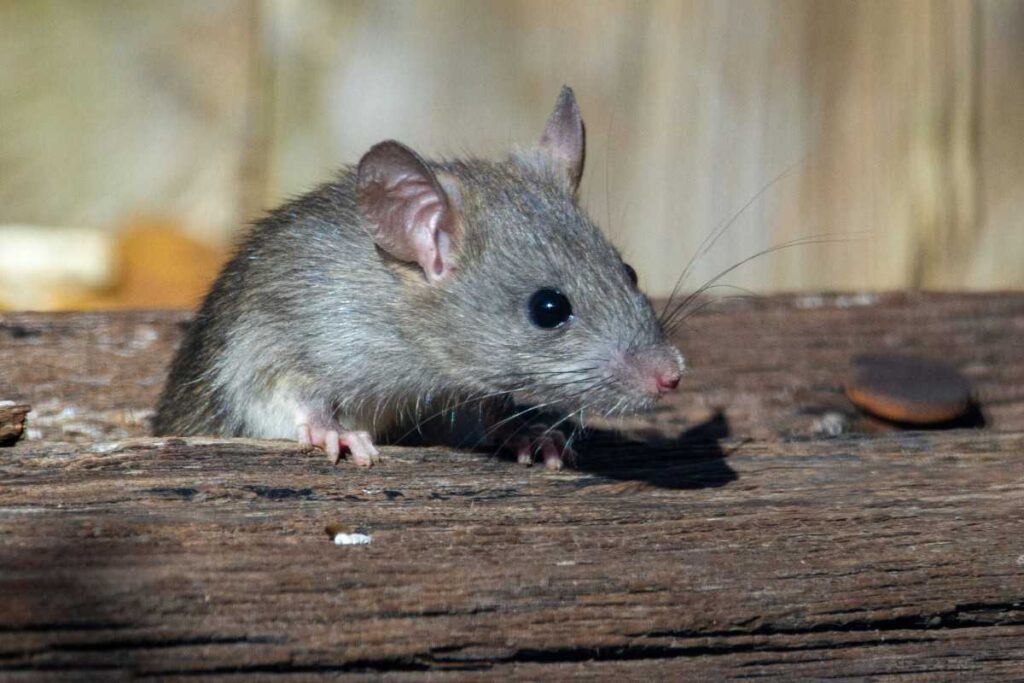
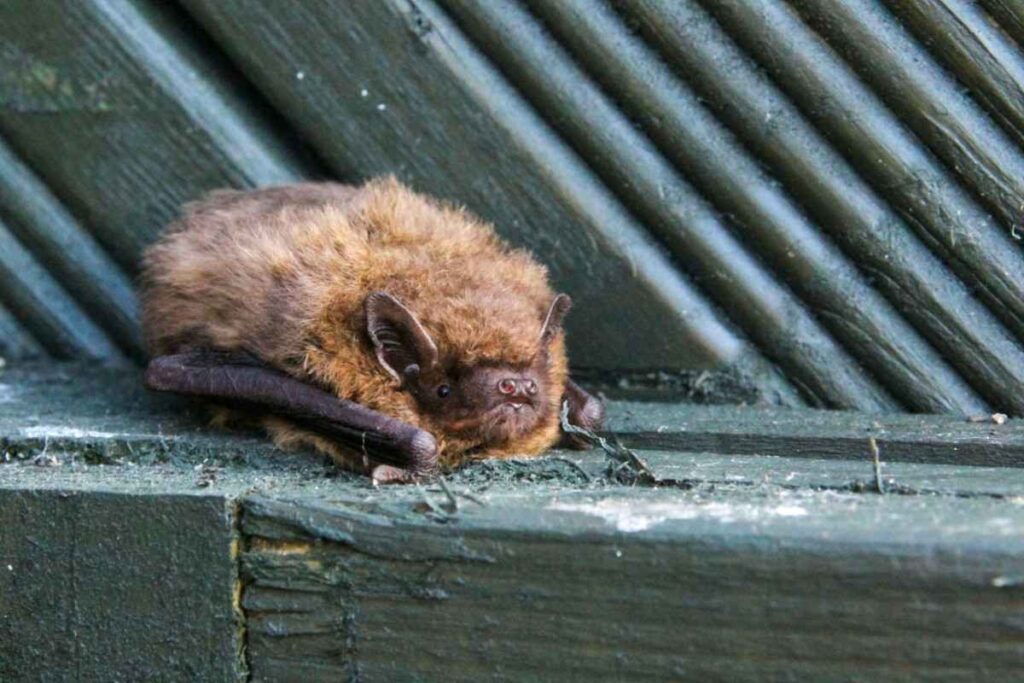
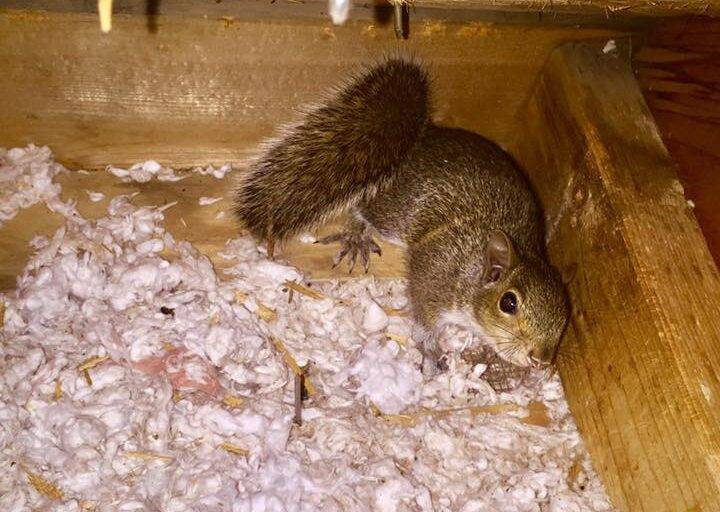
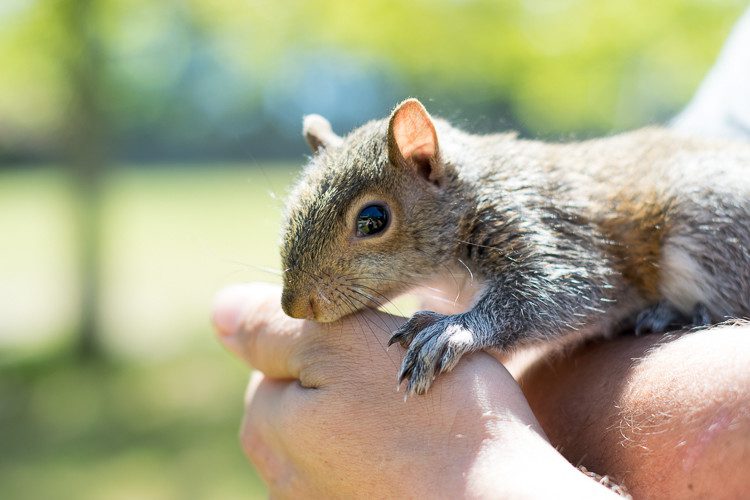
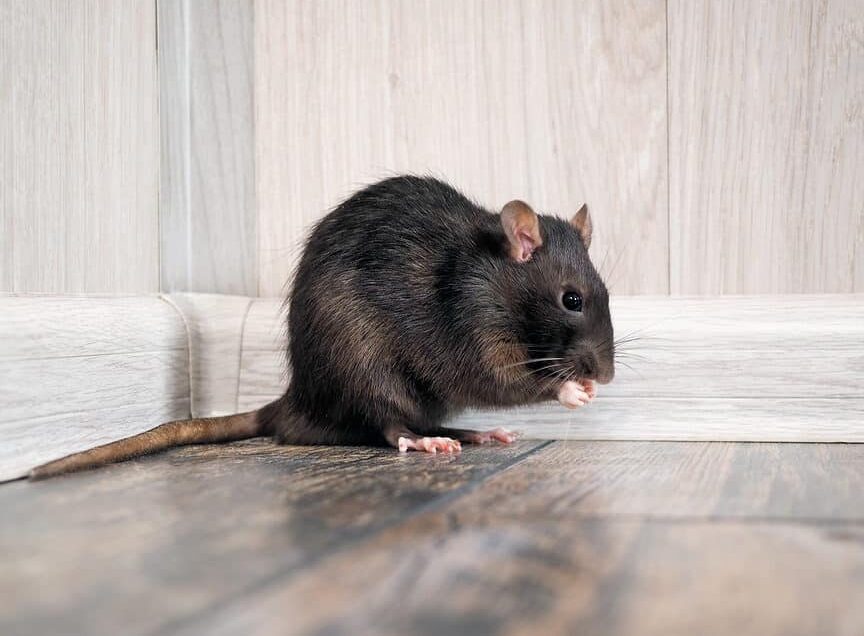
The size of an opening needed for entry depends on the species. UGA Extension notes that mice can enter through very small openings, while bats can also use small gaps. Squirrels may enlarge existing weaknesses by chewing through soffits, siding, or roof materials.
What Are the Signs Your Home Needs Wildlife Exclusion?
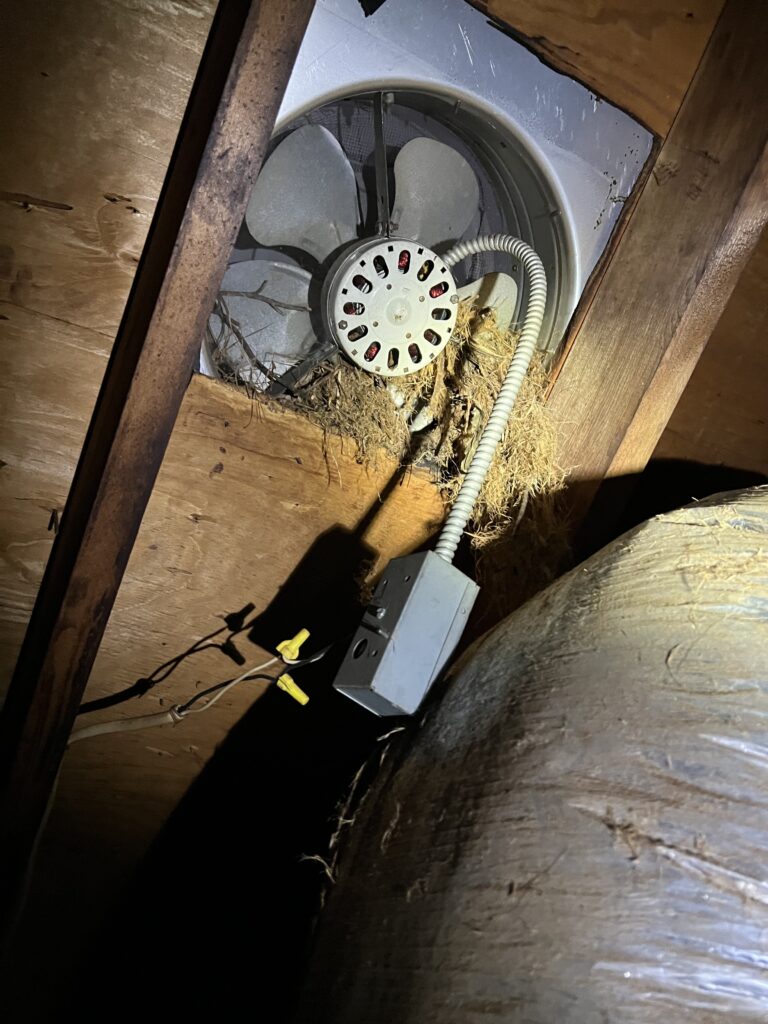
Homeowners may notice signs of wildlife activity before actually seeing an animal. Common warning signs include:
- Scratching, scurrying, or movement sounds in an attic or wall
- Chewed wood, soffits, vents, or other materials
- Damaged or missing screens
- Nesting material near rooflines or vents
- Droppings or other evidence of animal activity
- Repeated wildlife activity around the same part of the home
- Previous wildlife activity with entry points that remain unrepaired
These signs can help identify where an inspection should focus. However, the visible damage may not always reveal the actual route the animal used to enter.
Wildlife Exclusion vs. Wildlife Removal
Wildlife removal and exclusion address different parts of the problem.
Wildlife removal deals with an animal that is already inside or around the structure. Wildlife exclusion addresses the physical conditions that allow wildlife to enter or return.
The order can matter. Sealing an opening while an animal is still inside can create additional problems. UGA Extension cautions homeowners against simply closing an entrance without determining whether an animal, particularly dependent young, may still be inside.
A typical wildlife-management process may therefore involve:
- Identification: Determine what animal is present and look for signs of activity.
- Inspection: Locate active and potential entry points.
- Removal: Address wildlife already inside using appropriate methods.
- Exclusion: Secure the access points after the structure is clear.
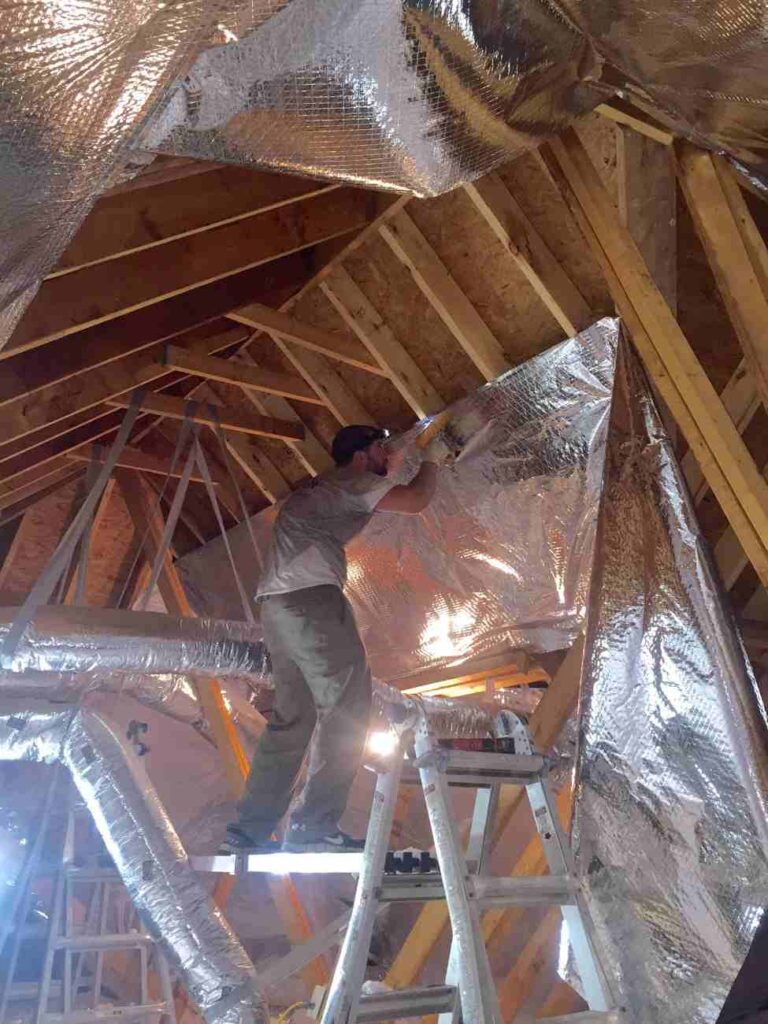
- Restoration: Repair or restore areas damaged by wildlife activity when necessary.
What Happens During a Wildlife Exclusion Inspection?
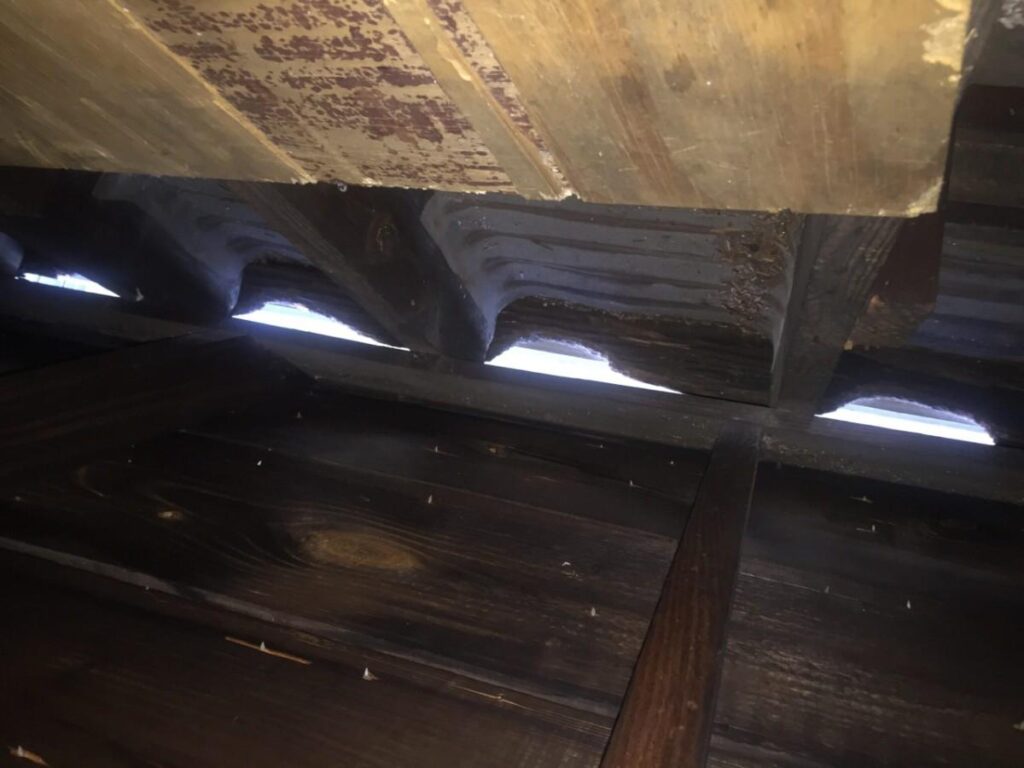
A proper exclusion inspection looks at both the animal activity and the condition of the structure.
Areas that may need examination include roof edges, soffits, fascia, vents, chimneys, roof-to-wall intersections, utility penetrations, crawlspace openings, and other vulnerable exterior areas. Attics and crawlspaces may also provide evidence of nesting, movement, or damage.
The goal is not simply to find a hole. The inspection should connect the evidence of wildlife activity with the building’s potential access routes so the appropriate exclusion method can be selected.
How Does Wildlife Exclusion Protect a Home?
Preventing wildlife from entering can reduce problems caused by nesting, chewing, and repeated access. Animals may damage insulation, roofing materials, vents, wood, wiring, and other building components.
Wildlife activity can also leave droppings and nesting material behind. The CDC recommends avoiding direct contact with wild animals and their feces and taking appropriate precautions when cleaning areas where wildlife has been present.
Exclusion cannot guarantee that wildlife will never approach a property, but securing vulnerable openings can reduce opportunities for animals to enter.
How Does Wildlife Exclusion Protect a Home?
Homeowners can handle basic prevention, such as maintaining screens, keeping doors closed, securing trash, and reducing accessible food.
More complicated exclusion can involve roofs, chimneys, attics, crawlspaces, electrical components, or active wildlife. There is also a risk of sealing an animal or young inside.
Species-specific rules may apply. Georgia DNR provides guidance on wildlife conflicts and appropriate handling rather than attempting to relocate wildlife without proper knowledge or authorization.
Before permanently sealing an active opening, homeowners should determine what animal is involved and whether the structure is clear.
What Happens After Wildlife Is Removed?
Removal may solve the immediate wildlife problem, but the building can still have an opening that needs attention. Wildlife may also leave damaged insulation, nesting material, contamination, or damaged building components.
A complete solution may therefore involve removal, exclusion, home protection, and restoration. Addressing these connected issues can help reduce repeat entry and repair areas affected by wildlife activity.
Frequently Asked Questions About Wildlife Exclusion
Is wildlife exclusion the same as wildlife removal?
No. Removal addresses wildlife already present, while exclusion focuses on preventing animals from entering or returning through openings.
What animals can exclusion help keep out?
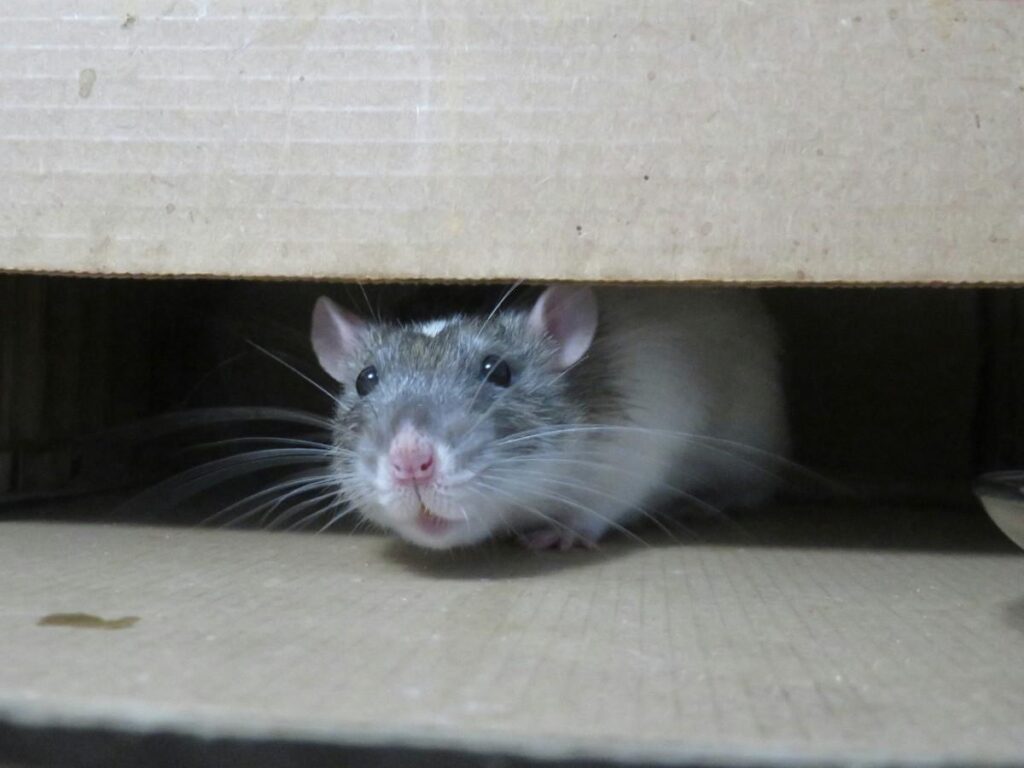
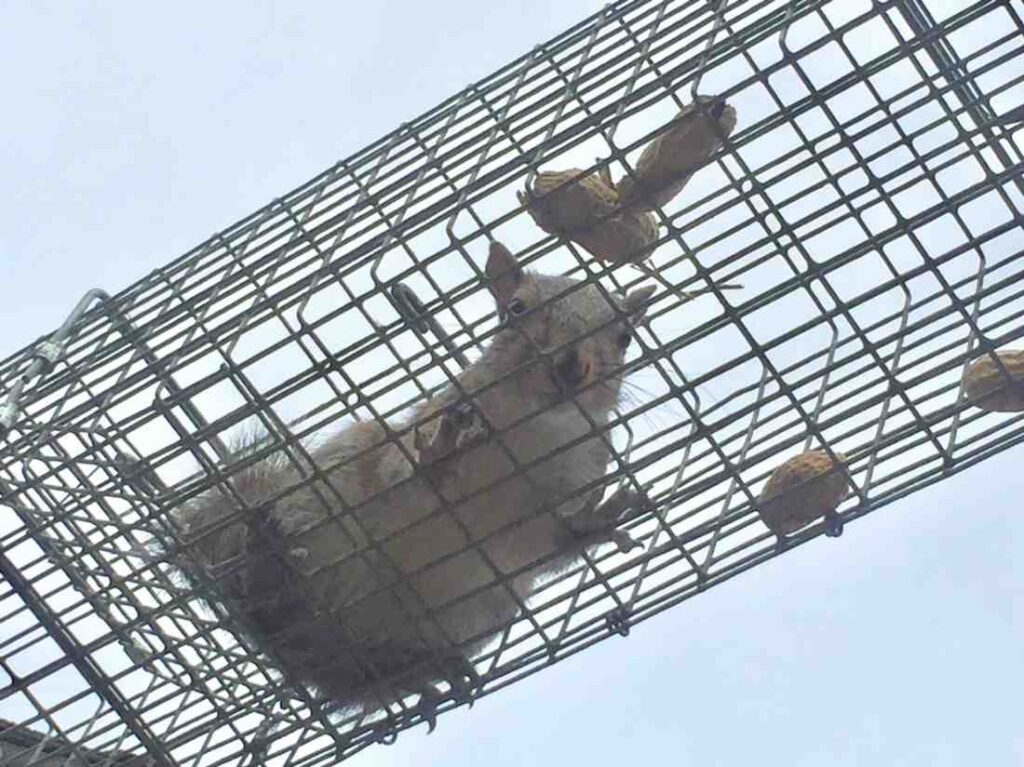
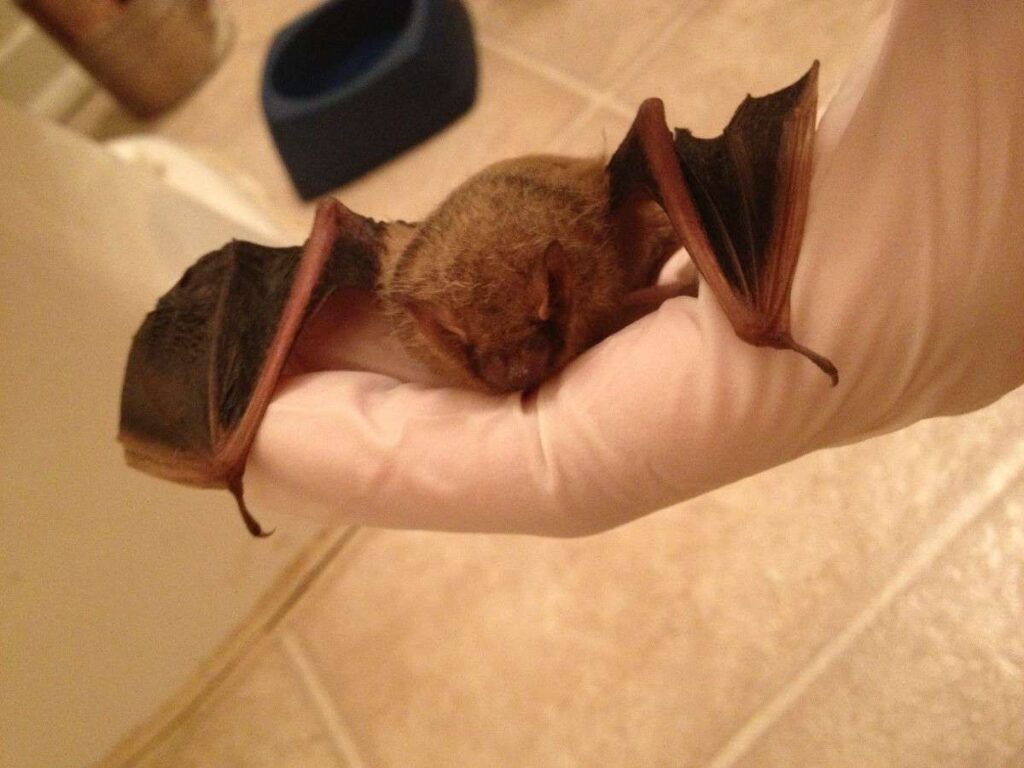
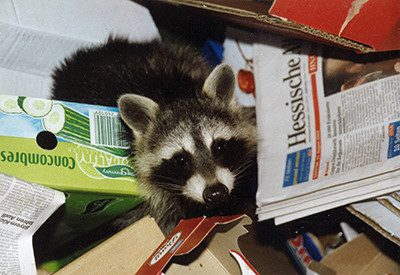
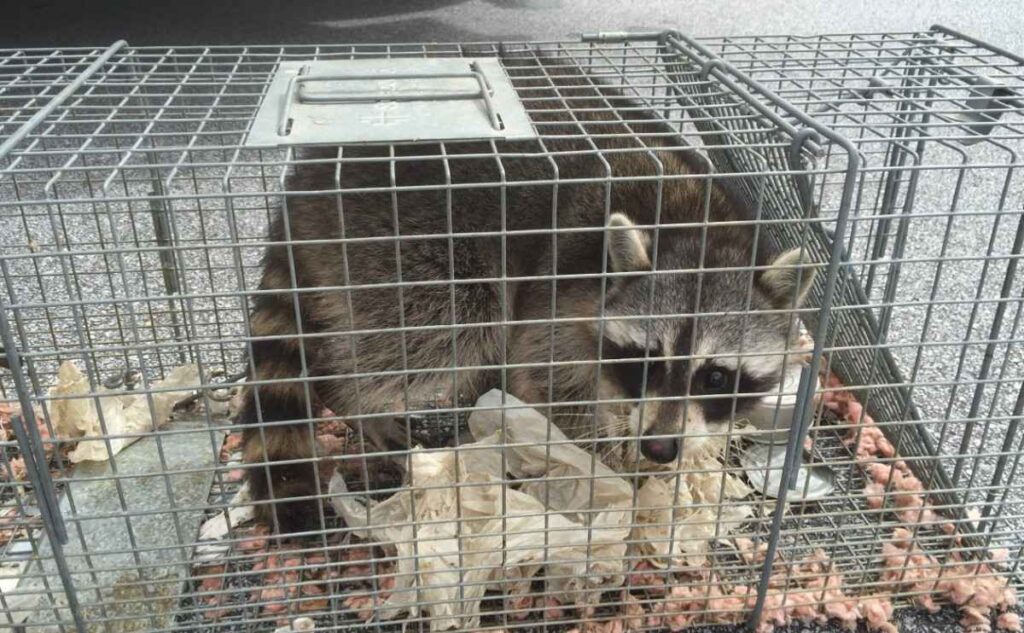
The method depends on the species. Common concerns include squirrels, raccoons, bats, birds, rodents, snakes, and opossums.
How can I find where wildlife is entering?
Check rooflines, soffits, vents, chimneys, crawlspace openings, utility penetrations, and areas showing damage or animal activity. Some openings can be difficult to see.
Can I seal the hole after the animal leaves?
Do not assume an opening is safe to seal simply because you no longer see the animal. Confirm that the structure is clear and consider whether young may be present.
Does exclusion prevent future wildlife problems?
Proper exclusion can reduce opportunities for wildlife to enter, but it cannot guarantee that animals will never approach the property. Regular maintenance and reducing attractants can also help.
Protect Your Home From Repeat Wildlife Entry
Wildlife exclusion is more than closing a hole. It involves understanding how an animal entered, identifying vulnerable areas, securing the structure appropriately, and addressing damage left behind.
If wildlife has entered your attic, crawlspace, or another part of your home, A&A Wildlife & Home Solutions can help identify the problem and determine whether removal, exclusion, or restoration is needed.