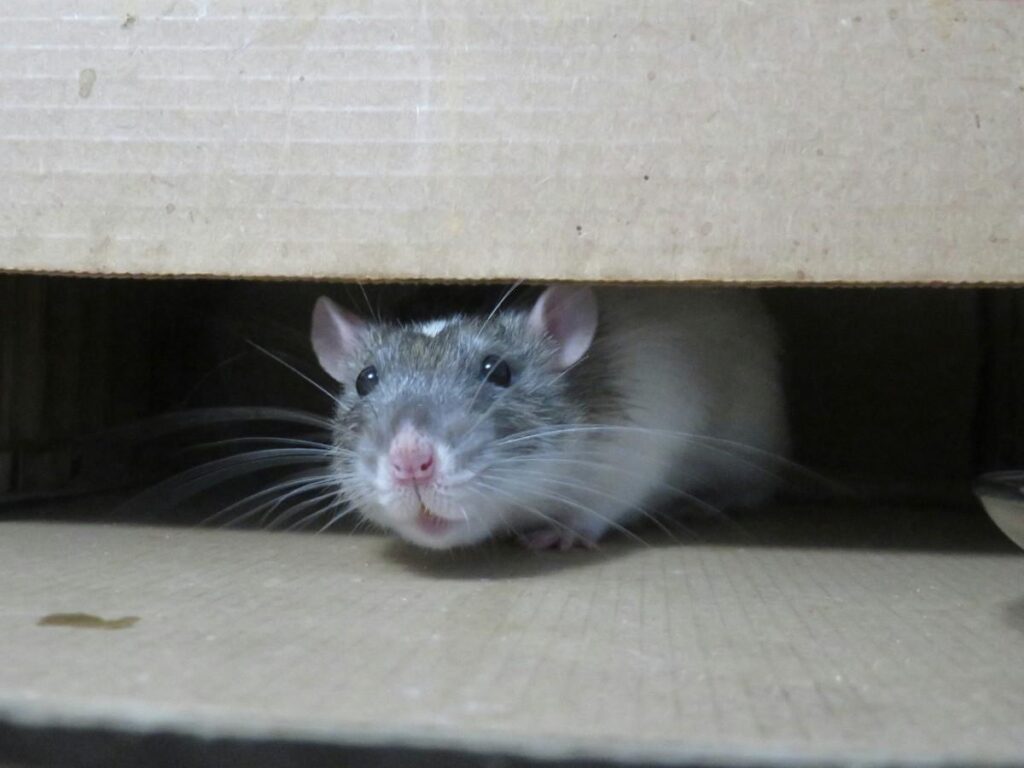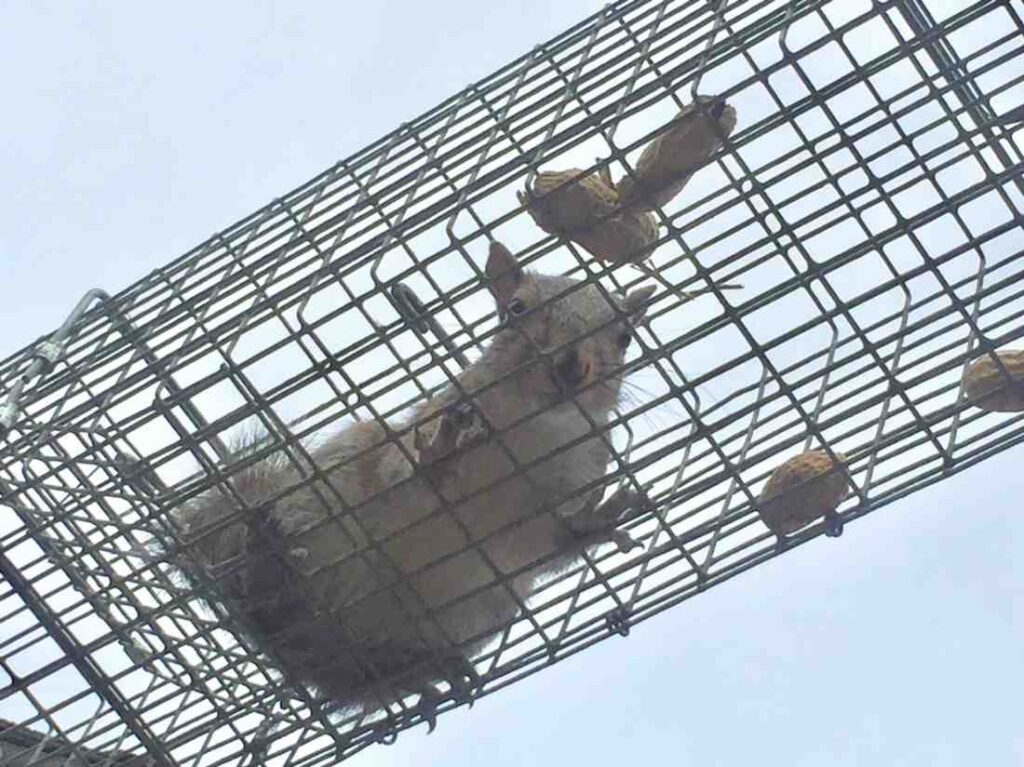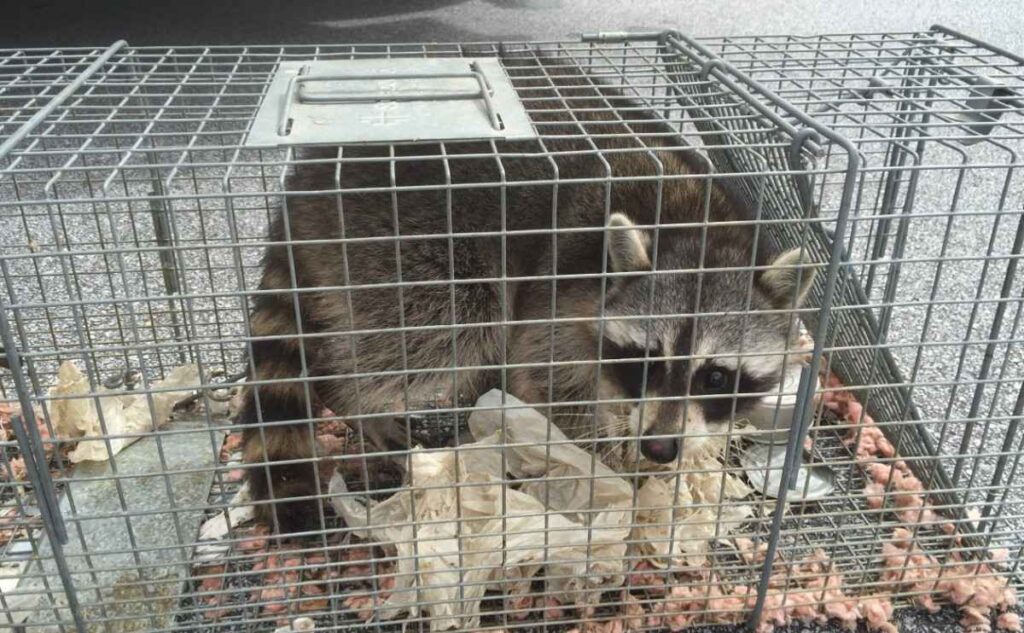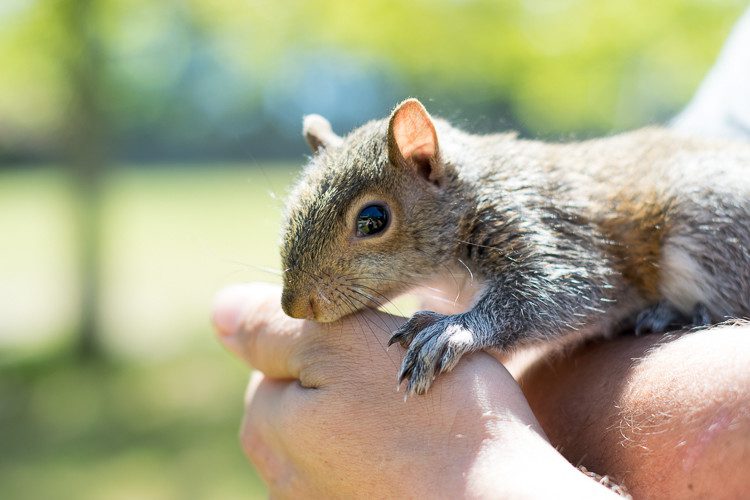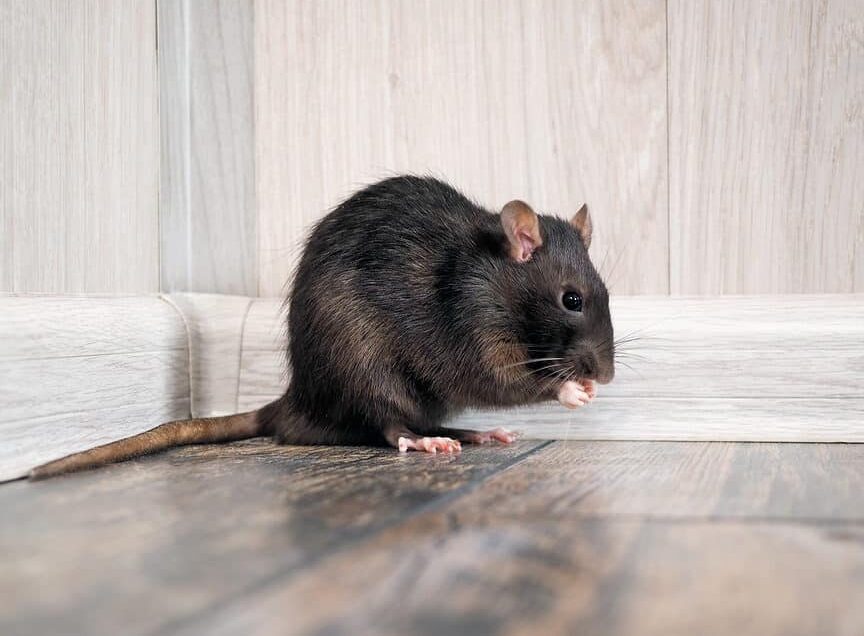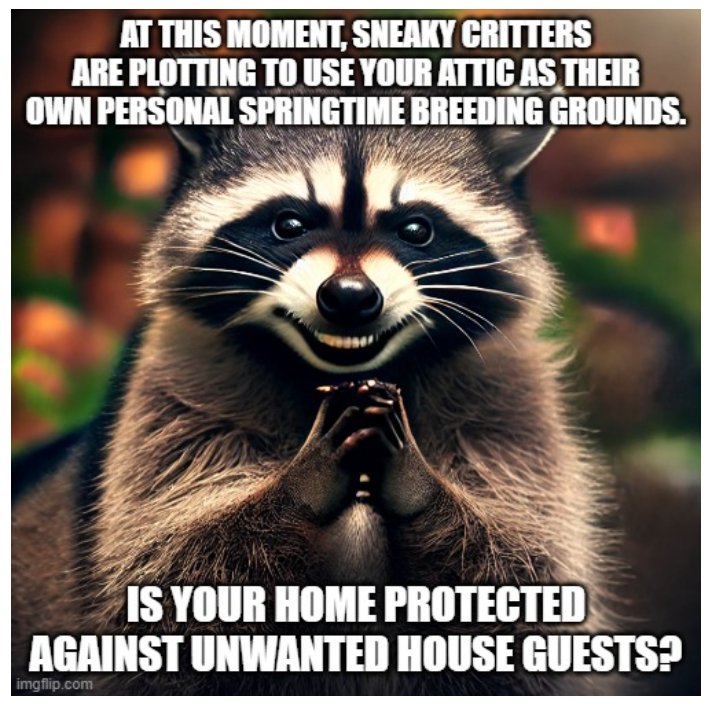
When wildlife gets into an attic, crawlspace, or other part of a home, homeowners often hear two terms: trapping and exclusion. Although both can be part of wildlife control, they solve different parts of the problem. Trapping focuses on removing an animal that is already present, while exclusion focuses on preventing wildlife from getting back inside. Understanding the difference between trapping vs exclusion can help homeowners choose a response that addresses the immediate problem without overlooking how the animal entered the home in the first place.
What Is Wildlife Trapping?
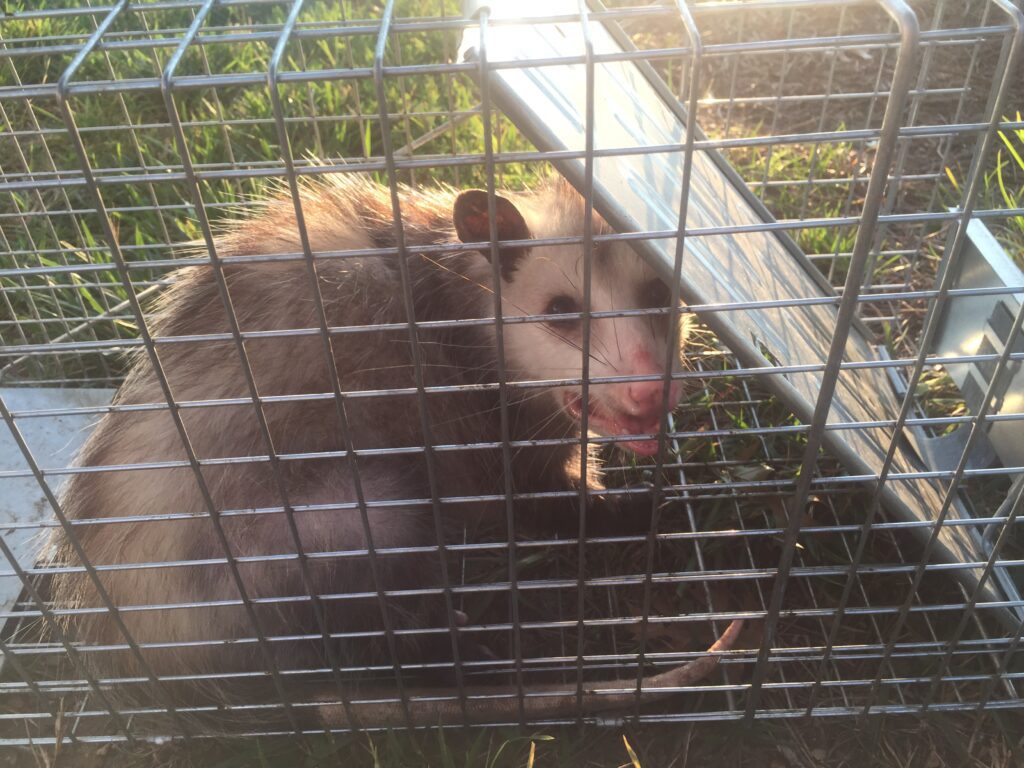
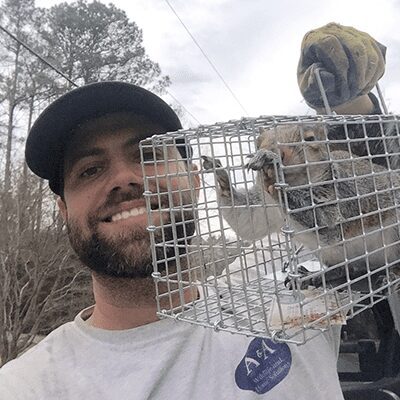
Wildlife trapping is a removal method used when an animal is already occupying or repeatedly visiting a property. Depending on the species and circumstances, a trained wildlife professional may use a lawful trap or another appropriate removal method.
In Georgia, wildlife trapping is regulated. The Georgia Department of Natural Resources establishes rules for trapping, including requirements concerning permitted species, trap types, trap inspection, and property-owner consent. Homeowners should not assume that any trap can be used for every wildlife species.
What Is Wildlife Exclusion?
Wildlife exclusion is a prevention-focused approach that makes a building harder for animals to enter. It involves identifying vulnerable openings and securing them with appropriate materials while making sure animals are not sealed inside.
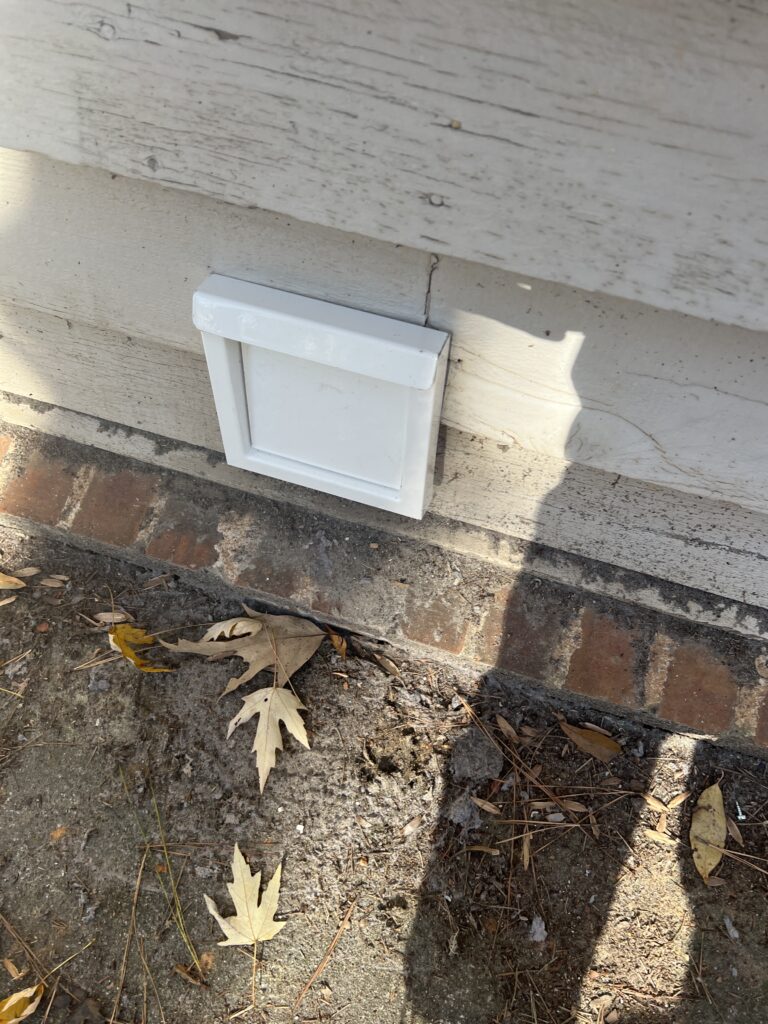
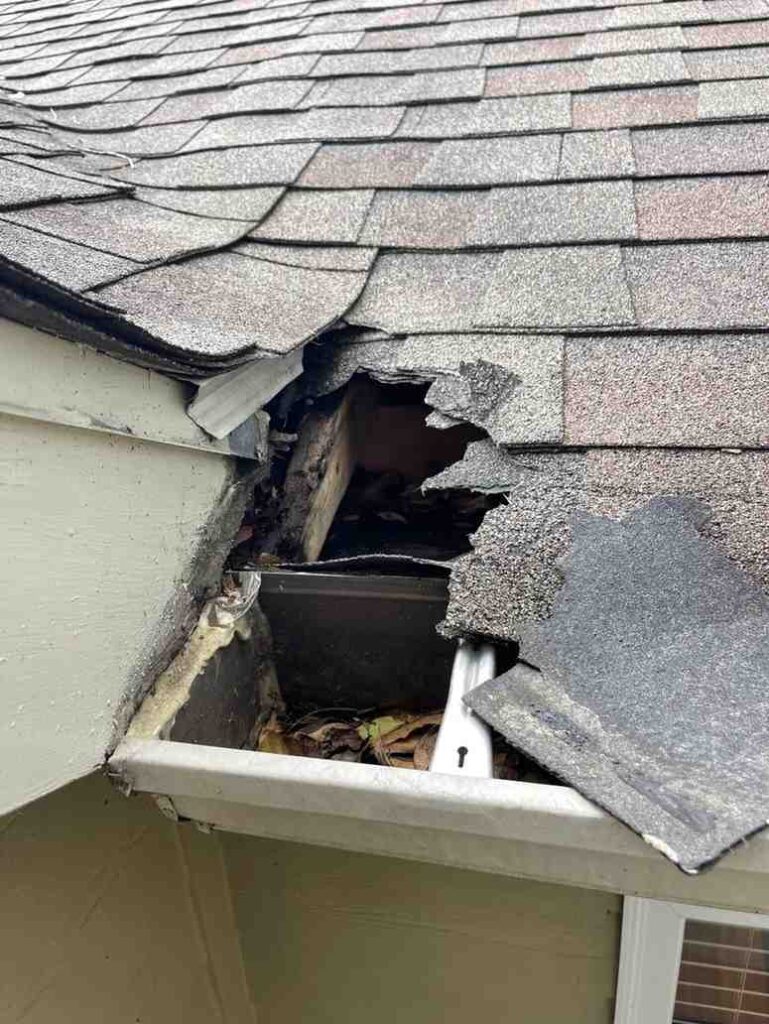
Common access points can include gaps around rooflines, soffits, vents, chimneys, crawlspace openings, doors, and utility penetrations. The appropriate repair depends on the animal, the opening, and the construction of the home.
UGA Cooperative Extension identifies exclusion as an important long-term approach to nuisance wildlife problems because it creates a physical barrier between wildlife and the property.
Trapping vs Exclusion: What Is the Difference?
Trapping and exclusion address different parts of a wildlife problem. Trapping focuses on the animal, while exclusion focuses on the structure and how wildlife is getting inside.
- Trapping: Removes an animal that is already present on or inside the property.
- Exclusion: Identifies and secures openings that allow wildlife to enter.
- Trapping: Addresses the immediate wildlife presence.
- Exclusion: Helps reduce the likelihood of future entry.
- Both methods: May be used together when an animal is inside the home and an entry point also needs to be corrected.
Neither approach automatically replaces the other. If an animal is removed but the entry point remains open, another animal may eventually use the same access point. Likewise, sealing an active opening without confirming that wildlife has safely left can create additional problems. The appropriate sequence depends on the species, location, and circumstances.
Why Trapping Alone May Not Solve the Problem
Removing an animal does not necessarily make a home inaccessible to wildlife. If an opening remains exposed, another animal may eventually discover and use the same access point.
This can become apparent when homeowners continue noticing scratching, movement, nesting material, droppings, or other signs after an animal has been removed. The issue may not be that the original removal failed. Instead, the structure may still have an accessible entry point.
For rodents, the CDC recommends checking both inside and outside the home to identify how they entered and sealing gaps and holes to help prevent new infestations. This same prevention principle is useful when evaluating other wildlife entry problems.
When Exclusion Requires More Than Sealing a Hole
A proper exclusion inspection looks at how wildlife is accessing the structure and whether other vulnerable areas are present.
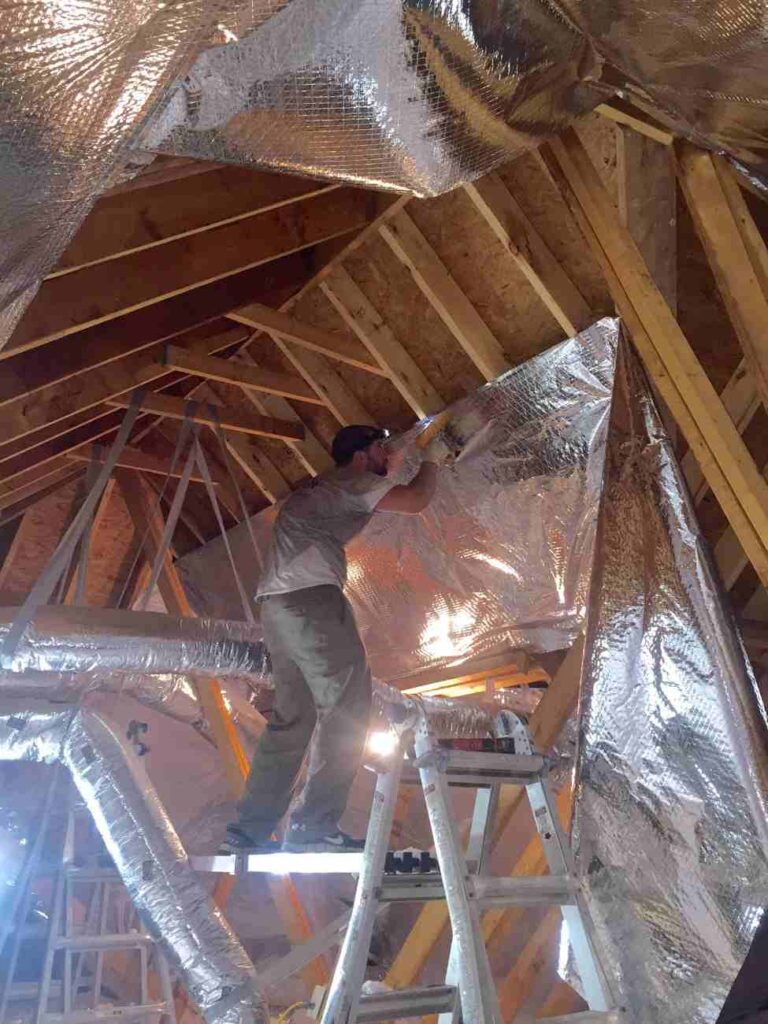
A professional may inspect rooflines, fascia, soffits, vents, utility penetrations, crawlspace and foundation openings, chimneys, and areas showing signs of nesting or animal activity.
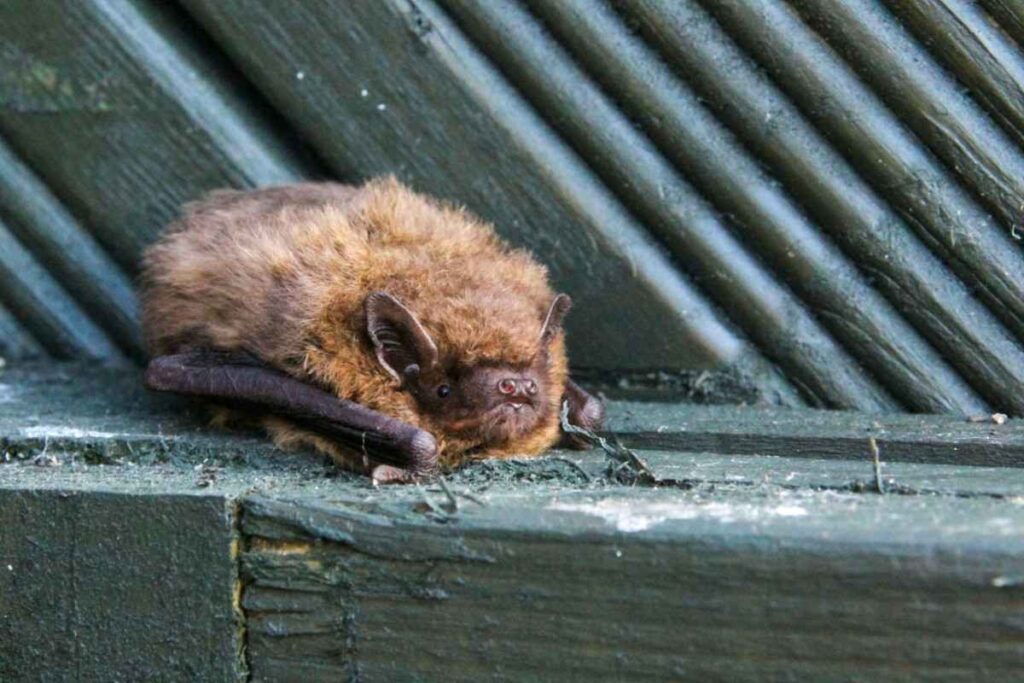
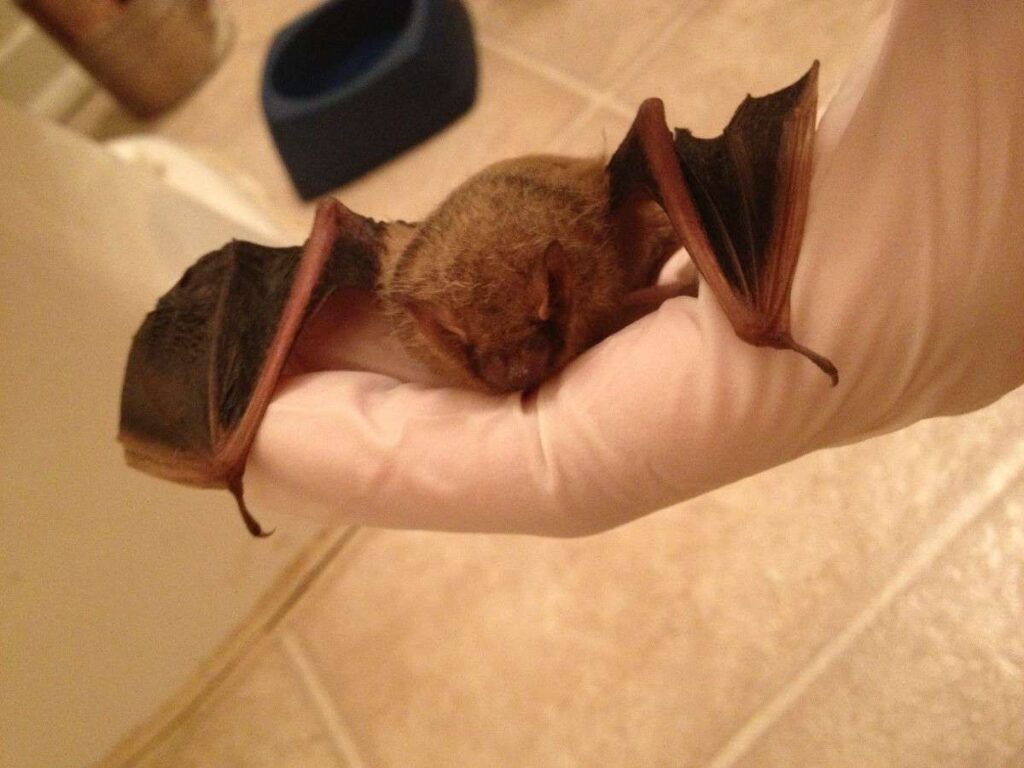
Species also matter. A repair that prevents one animal from entering may not be suitable for another. Bats, for example, require careful exclusion practices because improperly timed exclusion can leave flightless young inside.
Georgia DNR advises avoiding bat exclusions from April 1 through July 31 unless handled under its specified professional requirements. Therefore, wildlife exclusion should account for the species involved and the timing of the work, rather than simply closing the first hole that is found.
Can You Use Trapping and Exclusion Together?
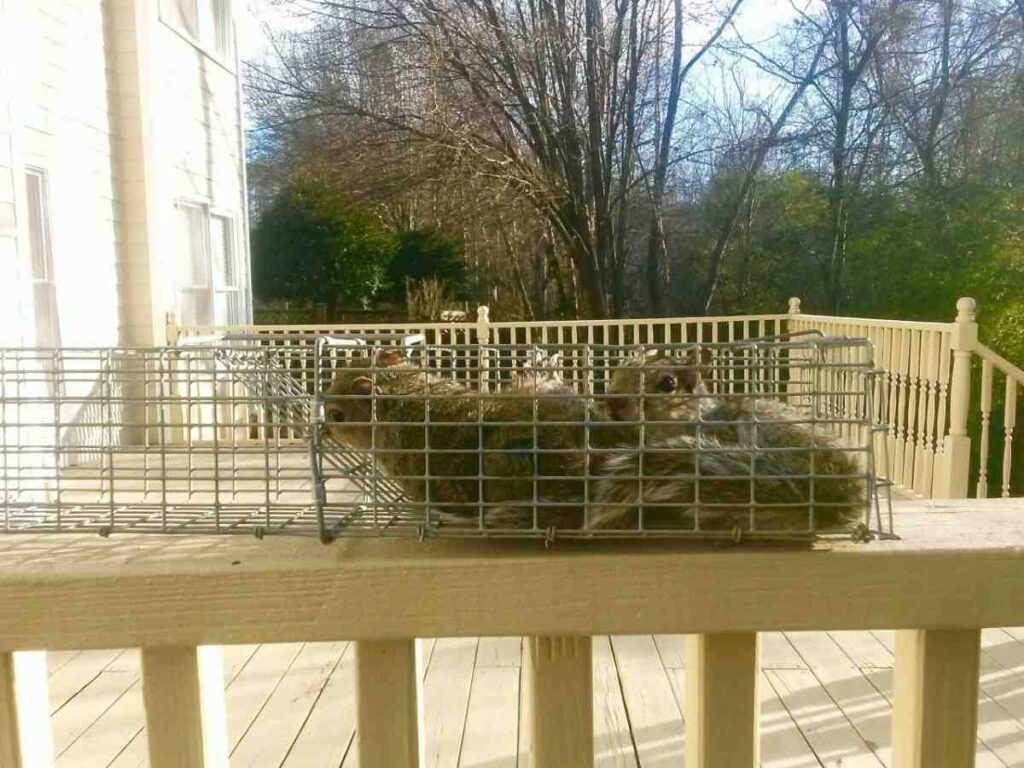
Yes. In many wildlife situations, the two approaches are complementary rather than competing solutions.
A practical process may involve identifying the species and entry points, determining whether animals or dependent young are still inside, using an appropriate removal method when necessary, and then completing exclusion work after the structure is clear.
The goal is to address the current wildlife problem while also reducing the opportunity for another animal to enter through the same vulnerable area.
Signs Your Home May Need Exclusion
Consider an exclusion inspection if you notice:
- Repeated wildlife activity around the same roofline or vent
- Scratching or movement in an attic or crawlspace
- Damaged screens, soffits, or vents
- Visible gaps around the roof or foundation
- Wildlife returning after a previous removal
- Evidence of previous nesting
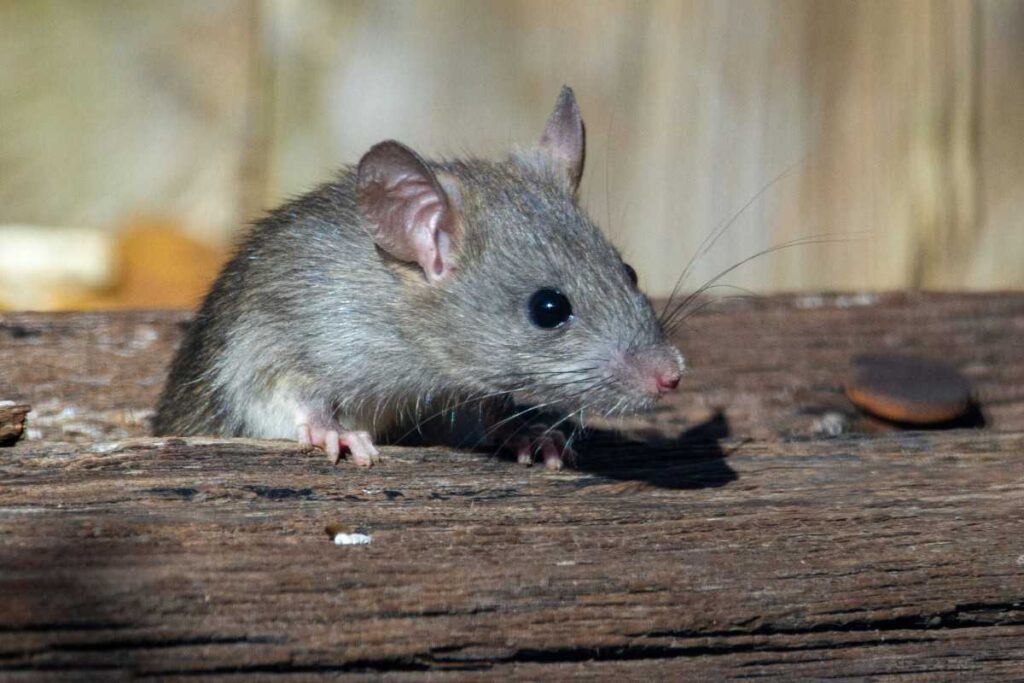
For rodents, even small openings deserve attention. The CDC notes that mice can enter through holes about one-quarter inch in diameter. As a result, a home can appear secure while still having access points that require attention.
Frequently Asked Questions
Is trapping better than exclusion?
They serve different purposes. Trapping is primarily about removing an animal, while exclusion is about preventing access. The appropriate approach depends on the species, location, activity, and condition of the property.
Should I seal the hole before trapping?
Not necessarily. If wildlife is still inside, sealing an active entry point could trap an animal inside the structure. The situation should be assessed first so removal and exclusion can occur in the appropriate order.
Does exclusion prevent wildlife from ever returning?
No method can guarantee that wildlife will never interact with a property. However, properly identifying and securing vulnerable entry points can significantly reduce opportunities for animals to enter the structure.
When should a homeowner call a professional?
Professional assistance may be appropriate when wildlife is inside an inaccessible area, the species is uncertain, young may be present, the animal could create a safety or health concern, or entry points are difficult to inspect or repair.
A&A Wildlife & Home Solutions
If wildlife has entered your attic, crawlspace, or home, A&A Wildlife & Home Solutions can help identify the likely entry points and determine whether removal, exclusion, or both are appropriate. Addressing both the immediate wildlife problem and the conditions that allowed the animal to enter can help provide a more complete solution.