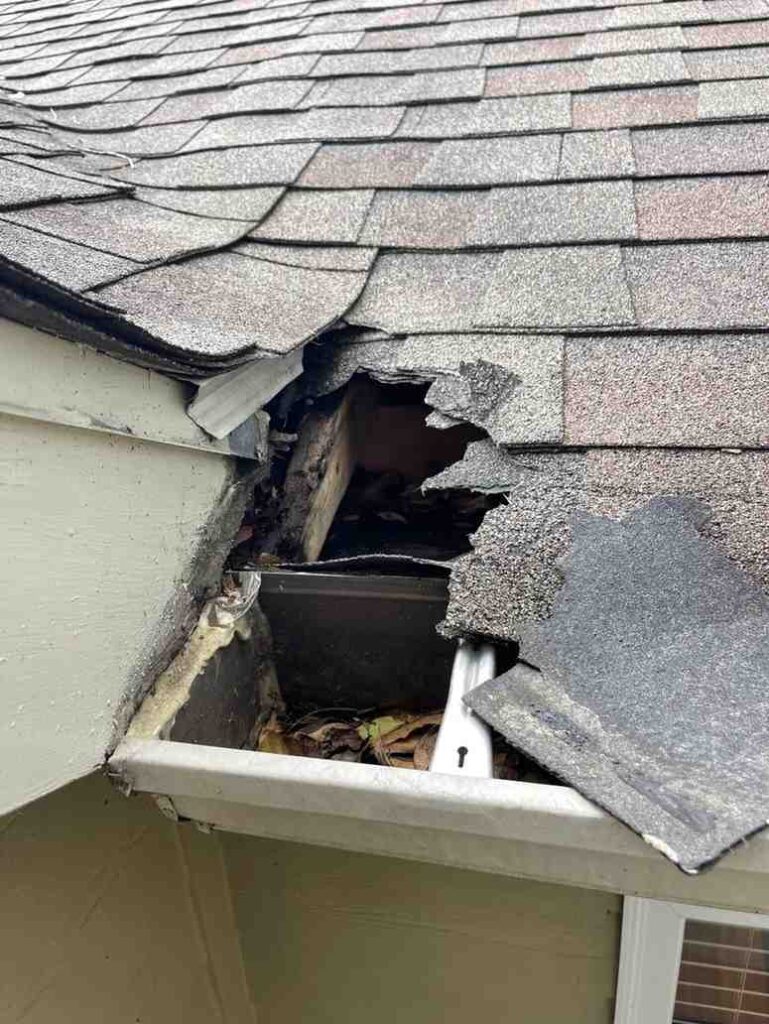
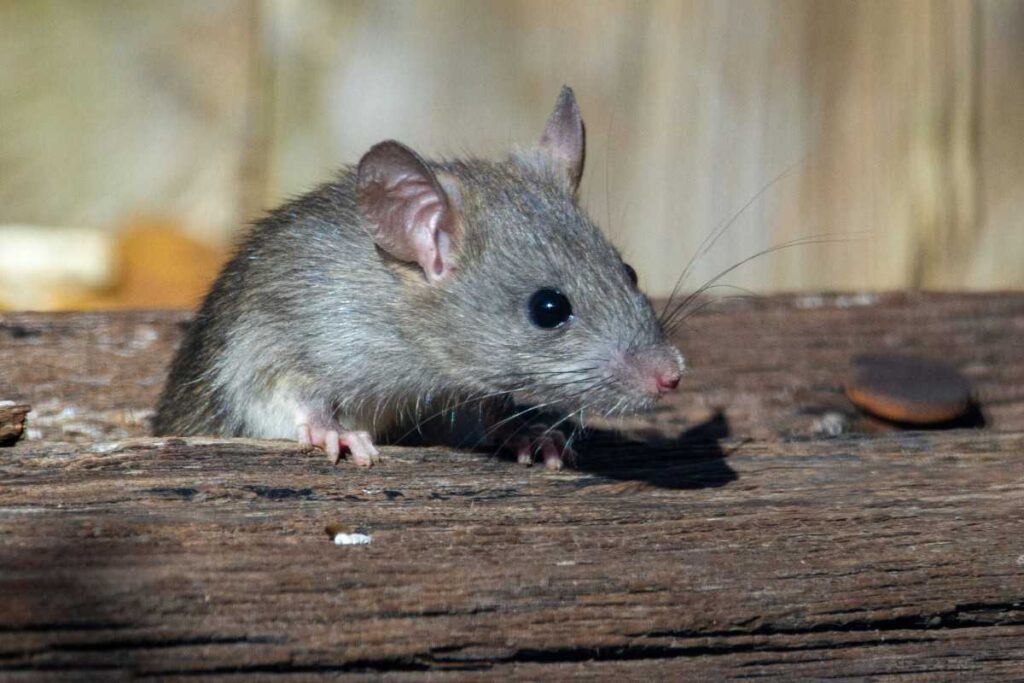
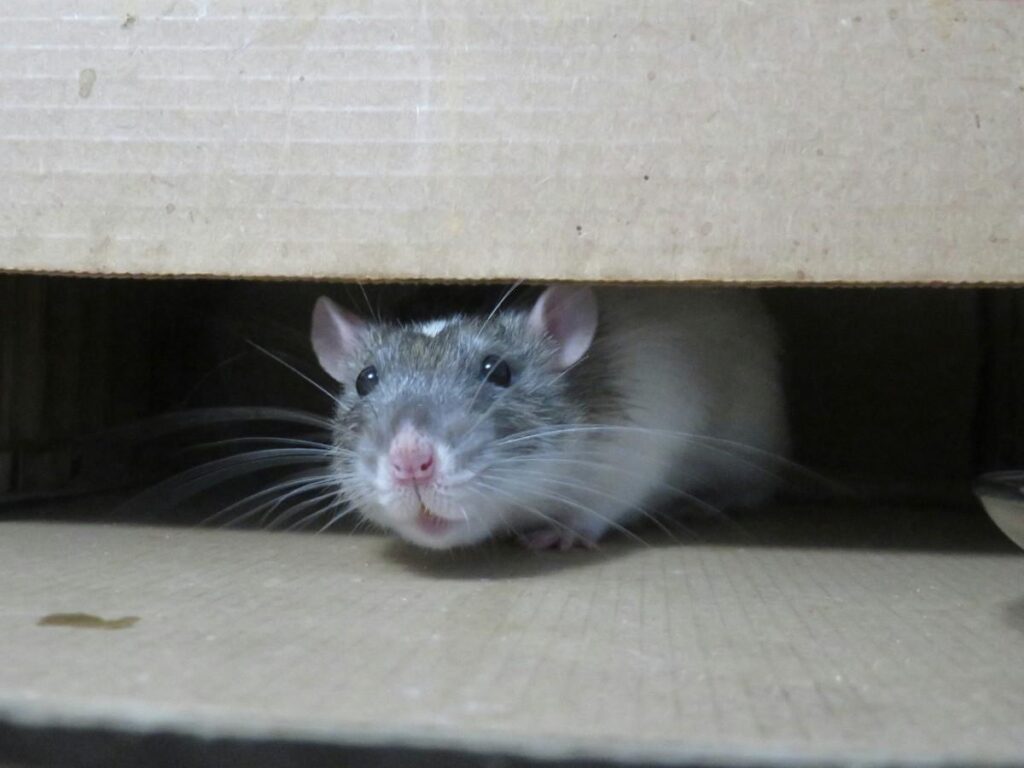
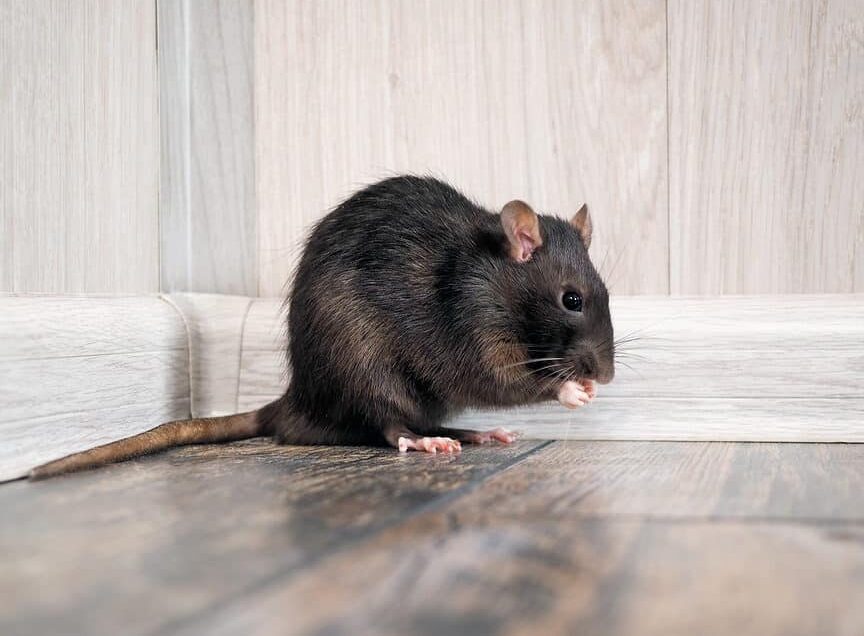
A roofline gap may look like a minor maintenance issue, but for rodents it can become an easy route into the attic. Openings around eaves, soffits, vents, fascia, and utility penetrations can connect the exterior of a home with quiet, protected spaces above the ceiling. Mice can squeeze through openings about 1/4 inch wide, so a gap that seems insignificant may still deserve attention.
These openings can become particularly attractive when they lead directly to sheltered areas with little human activity. Once inside, rodents may move along insulation, wall cavities, or other concealed spaces while remaining difficult to detect. For homeowners, that means a small exterior defect can sometimes become the starting point for a much larger attic or wall-space problem.
What Makes the Roofline So Important?
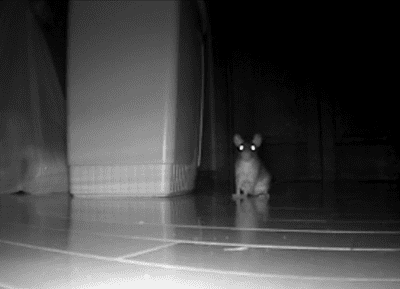
The roofline contains several areas where building materials meet or where ventilation has to remain open. Over time, screens can deteriorate, trim can loosen, and small gaps can develop.
Common areas worth checking include:
- Soffits and soffit vents
- Eaves and roof edges
- Gable and attic vents
- Gaps around fascia or roof returns
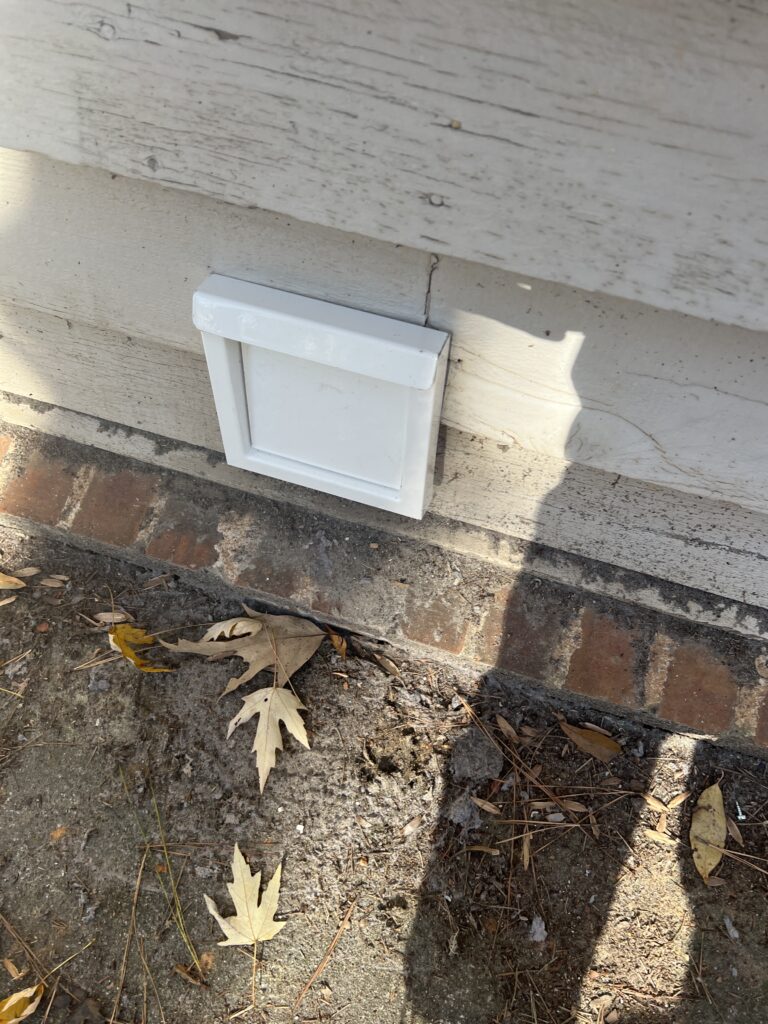
- Openings around electrical, plumbing, cable, or other utility lines
- Damaged screening or covers
The CDC specifically recommends checking rafters, gables, eaves, soffits, attic vents, and openings around utility lines when looking for rodent access points.
A Small Opening Can Become a Bigger Problem
Rodents do not necessarily need a large damaged section of the roof to get inside. Once an animal finds an accessible weakness, normal movement or gnawing can make the opening easier to use.
Watch for these warning signs:
- Droppings in the attic or other concealed areas
- Scratching or movement sounds
- Nesting material
- Gnaw marks
- Unusual odors
- Disturbed insulation
- Visible gaps, holes, or damaged screens
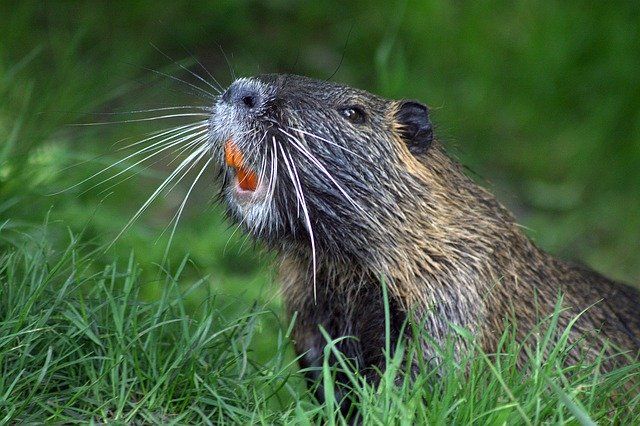
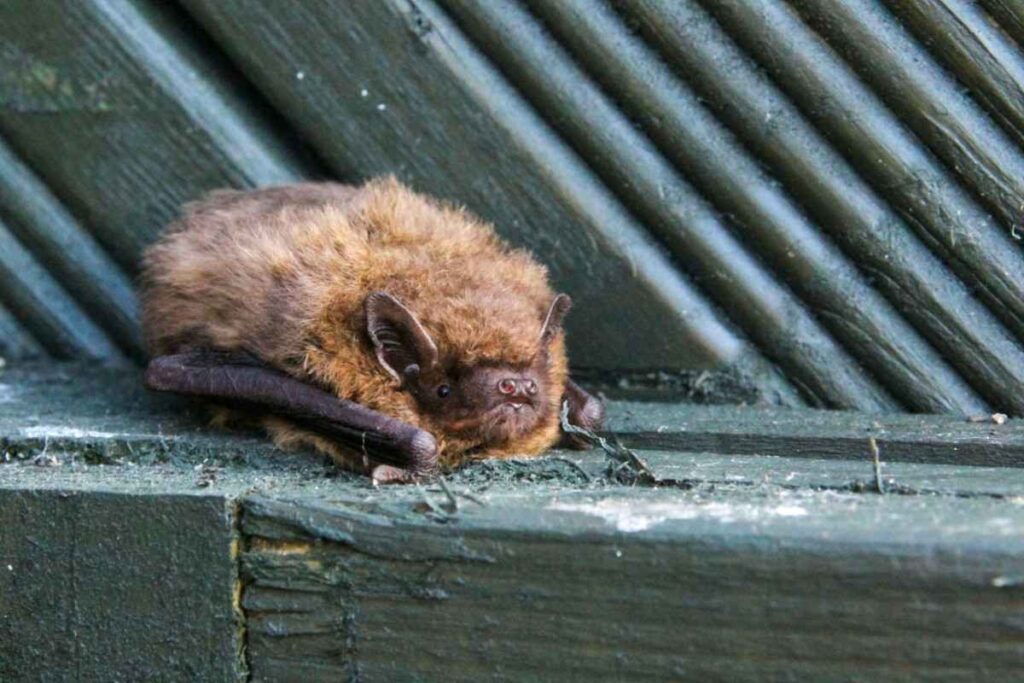
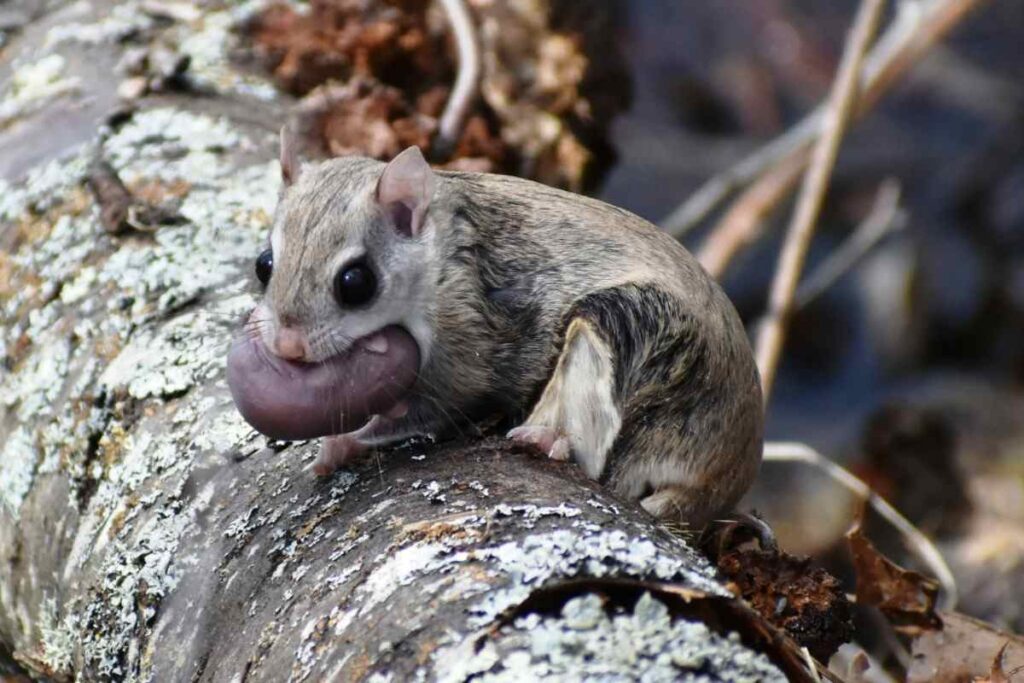
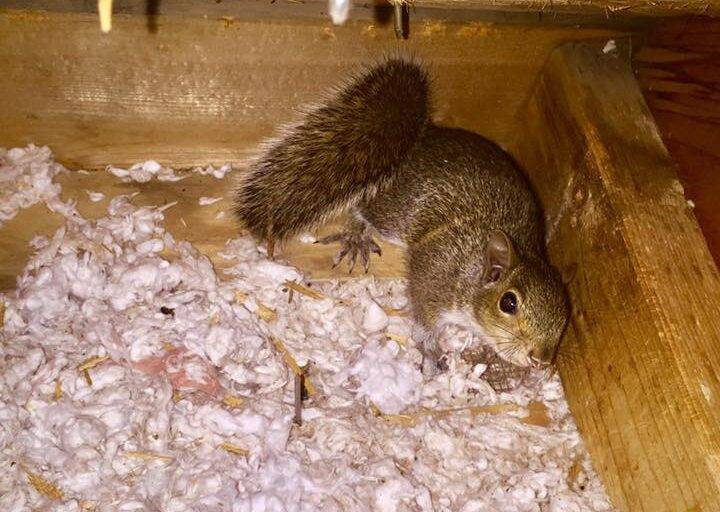
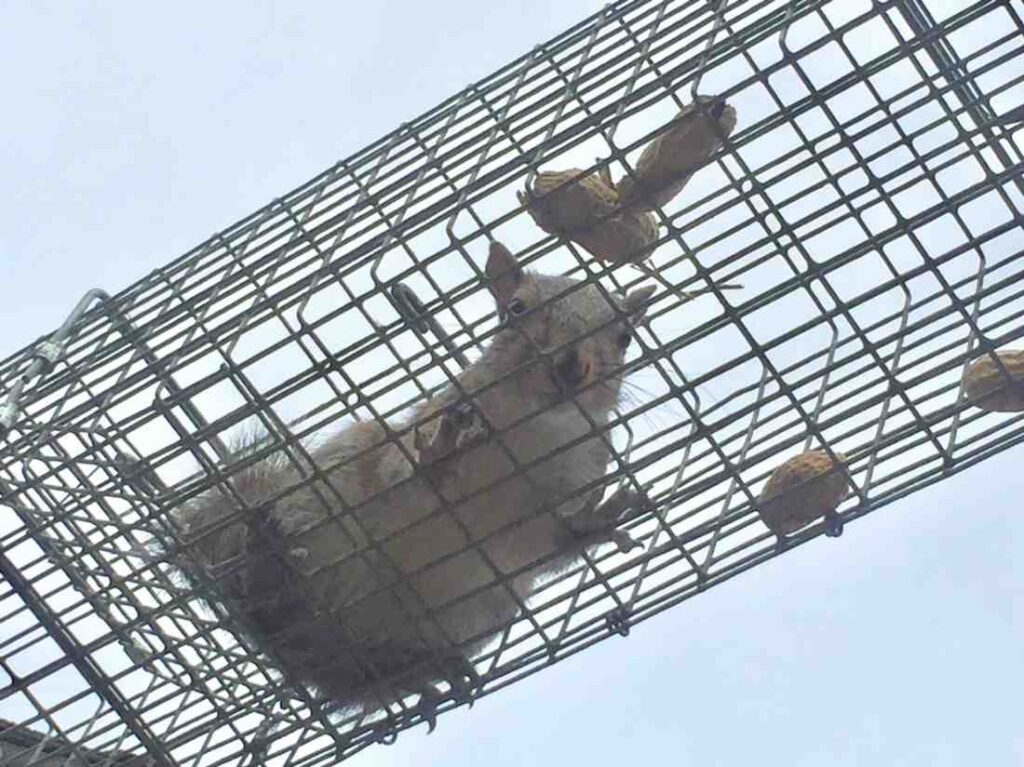
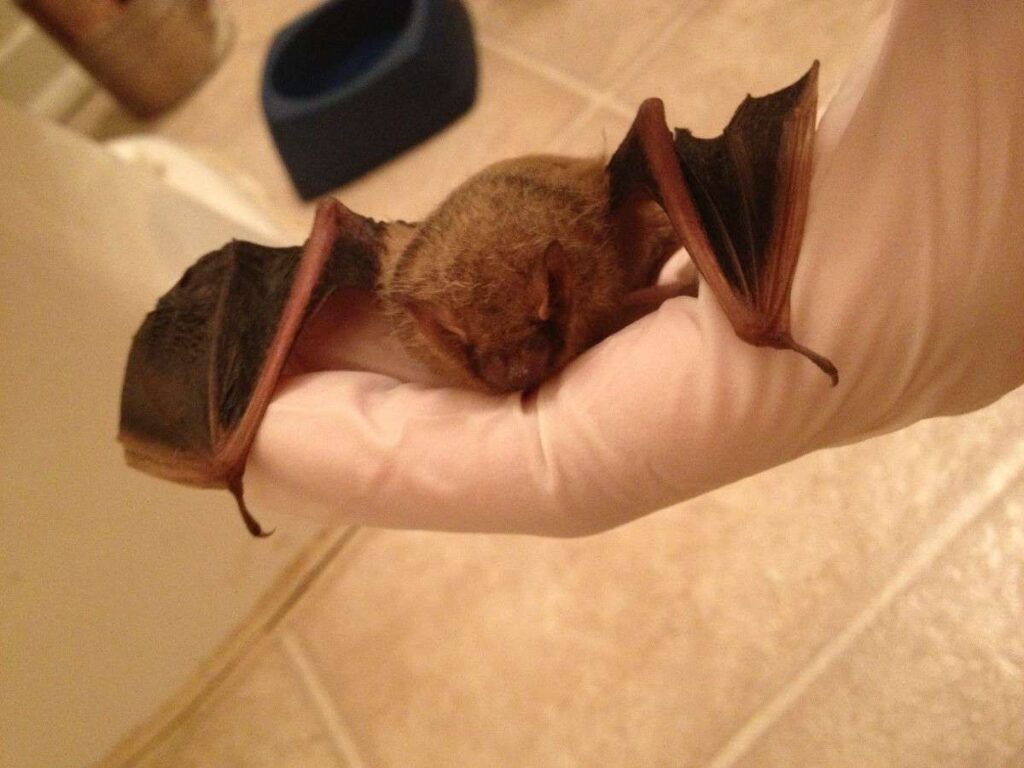
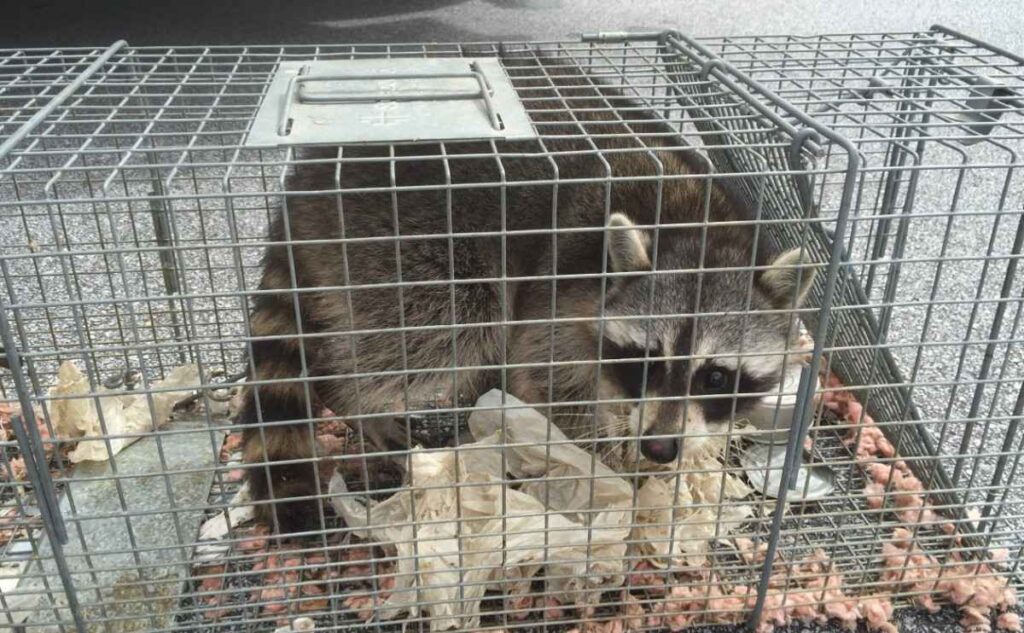
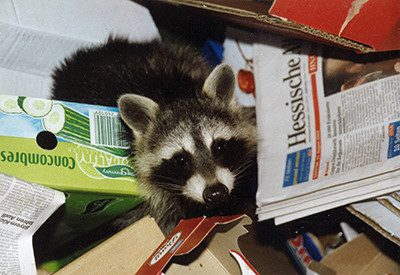
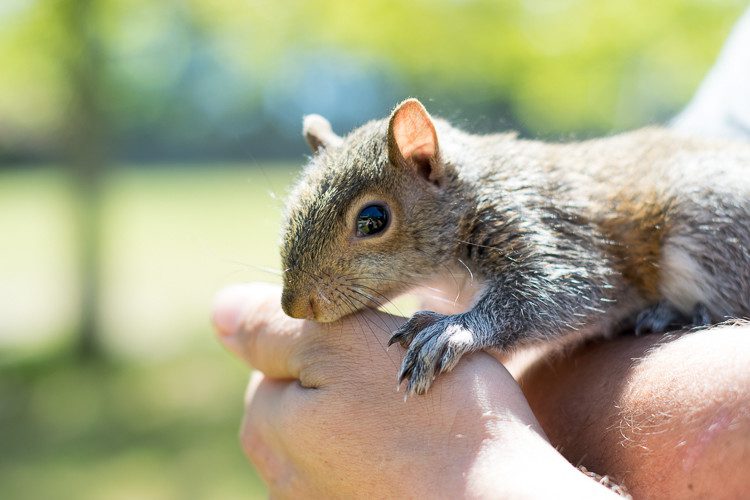
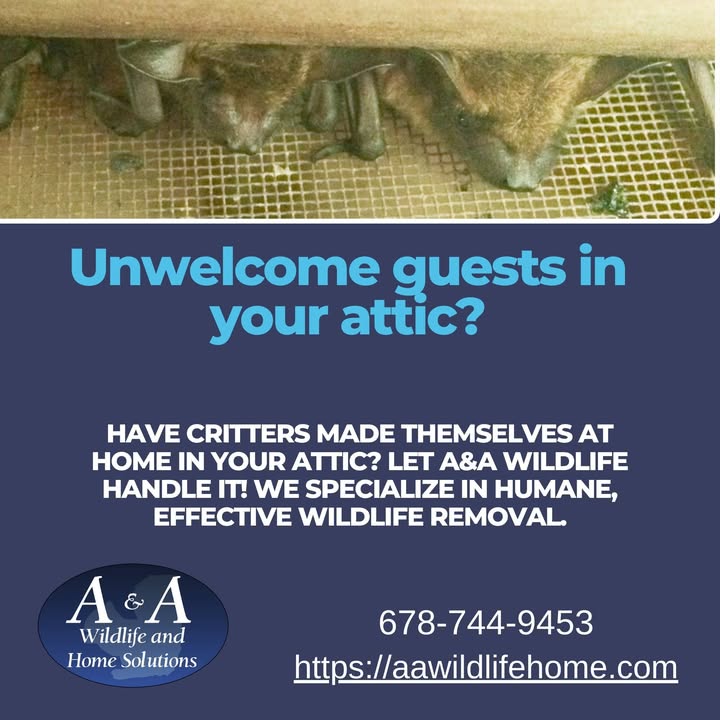
Not every attic noise proves that rodents are responsible. UGA Extension notes that attic and crawlspace noises can also come from squirrels, bats, raccoons, birds, and other wildlife. Correct identification matters because the appropriate response can differ.
Where Roofline Gaps Commonly Develop
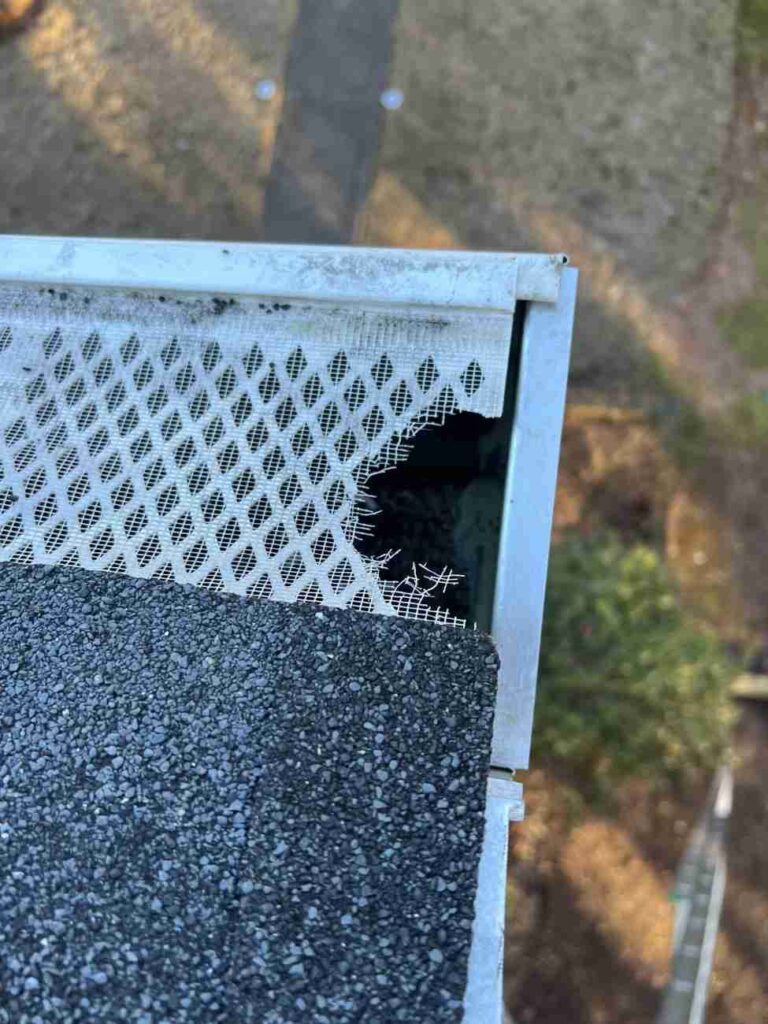
- Soffits and Eaves : Soffits help finish and ventilate the roof edge, but damaged panels or deteriorated screening can create access. UGA Extension identifies soffit vents as common wildlife entry areas.
- Gable and Attic Vents : Ventilation openings need to remain functional, but they should also be properly screened. Damaged or missing screening can leave a direct route into the attic.
- Utility Penetrations : Cables, pipes, and other services can leave small openings where they pass through the exterior. Deteriorated seals can give rodents another access point.
- Fascia, Roof Returns, and Trim : Loose or damaged exterior trim can create concealed gaps. These openings are easy to overlook because they may not be visible from normal ground-level views.
What Happens After Rodents Get Inside?
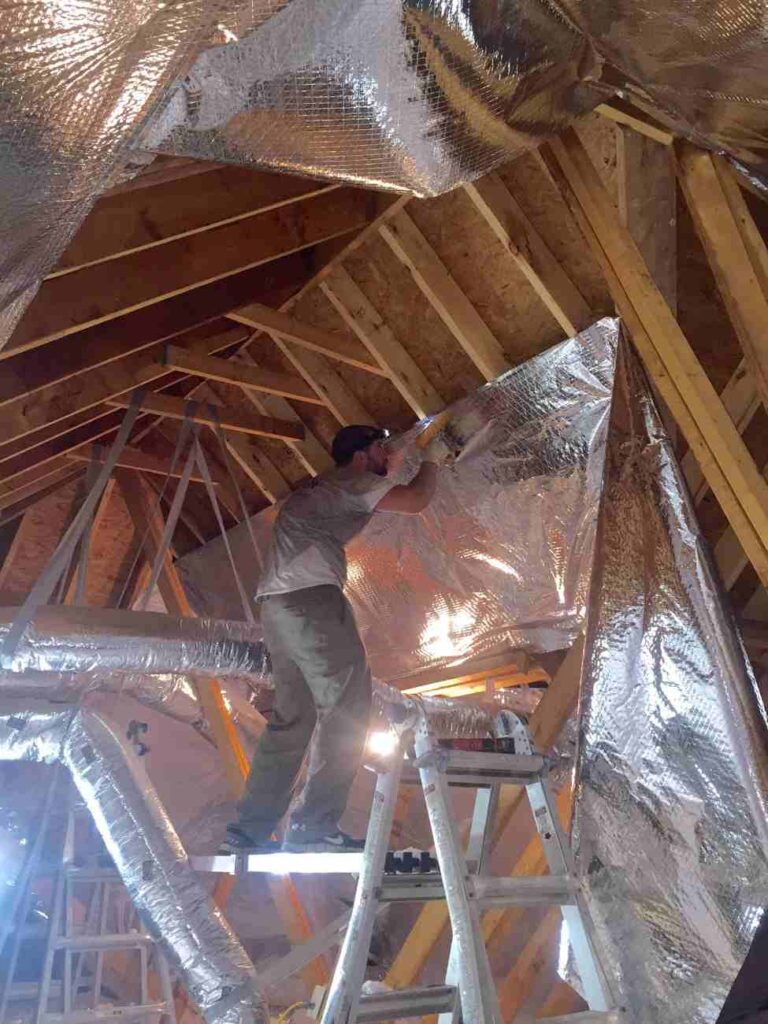
An attic can provide a sheltered location where rodents can move and nest with limited disturbance.
Homeowners may eventually notice:
- Repeated scratching or movement
- Droppings around nesting areas
- Chewed materials
- Nest construction
- Urine or waste odors
- Damaged or displaced insulation
Rodent activity also creates sanitation concerns. The CDC recommends careful cleanup of areas contaminated by rodent urine, droppings, and nesting material rather than simply sweeping or disturbing the material.
Removal Is Only Part of the Solution
Finding and removing a rodent does not automatically solve why it entered the home.
Ask three questions:
1. What animal is present?
Correct identification helps determine the appropriate removal and exclusion approach.
2. How did it get inside?
The inspection should trace likely access points around the roofline and other vulnerable areas.
3. Can the entry point be addressed?
Exclusion creates a physical barrier that prevents re-entry while preserving necessary ventilation and building functions.
UGA Cooperative Extension describes exclusion as a long-term approach for nuisance wildlife and specifically recommends maintaining soffits, screening gabled openings, and addressing openings around pipes and cables.
Signs Rodents May Be Getting Inside
A ground-level inspection can reveal obvious weaknesses before a small problem becomes more extensive.
Look for:
- Missing or damaged vent screens
- Loose soffit panels
- Gaps beneath roof edges
- Damaged fascia
- Openings around cables or pipes
- Signs of gnawing
- Easy routes onto the roof
Do not climb onto an unsafe roof or enter a hazardous attic simply to investigate. If there are signs of active wildlife, contamination, or damage in a difficult-to-access area, professional inspection can help identify the source safely.
The Repair Should Match the Opening
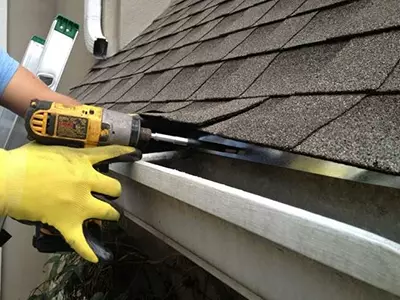
A durable repair should suit the opening and the building component involved. A ventilation opening, for example, still needs to function after it is protected.
Depending on the location, exclusion work may involve:
- Metal screening or hardware cloth
- Repairing damaged soffit or fascia
- Restoring vent screening
- Sealing utility penetrations
- Repairing related structural openings
The CDC recommends durable materials such as metal, hardware cloth, or metal sheeting for larger openings and notes that caulk or expanding foam can reinforce suitable repairs.
The Repair Should Match the Opening
A roofline rodent problem is both an animal issue and a home-entry issue.
Identify → Remove → Exclude → Restore
First, determine what is using the structure and where it is entering. Next, address active animal activity appropriately. Then close access points with suitable exclusion repairs. Finally, inspect and restore areas affected by nesting, contamination, or damage.
This approach addresses the immediate problem while also addressing the condition that allowed it to happen.
Frequently Asked Questions
How small can a rodent entry hole be?
Mice can fit through an opening about 1/4 inch (6 mm) wide. Small gaps around rooflines, vents, and utility penetrations should therefore not be dismissed.
Do roofline gaps only attract mice and rats?
No. Other wildlife can use openings around soffits, gables, vents, and roofs. UGA Extension identifies squirrels, bats, birds, and other wildlife among animals that may enter buildings through vulnerable areas.
Should I seal a roofline gap immediately?
Not if you suspect an animal is currently inside. The situation should be assessed first, particularly when wildlife may be involved.
How can I prevent rodents from entering through the roof?
Inspect and maintain soffits, eaves, vents, fascia, and utility penetrations. Repair damaged screening and use durable exclusion materials suited to each opening.
Protect Your Home From Roofline Entry
If you are seeing droppings, scratching sounds, damaged insulation, or other signs of rodent activity around your attic or roofline, the first step is identifying how the animal is getting inside. A&A Wildlife & Home Solutions can inspect potential entry points and determine whether removal, exclusion, or restoration is needed.