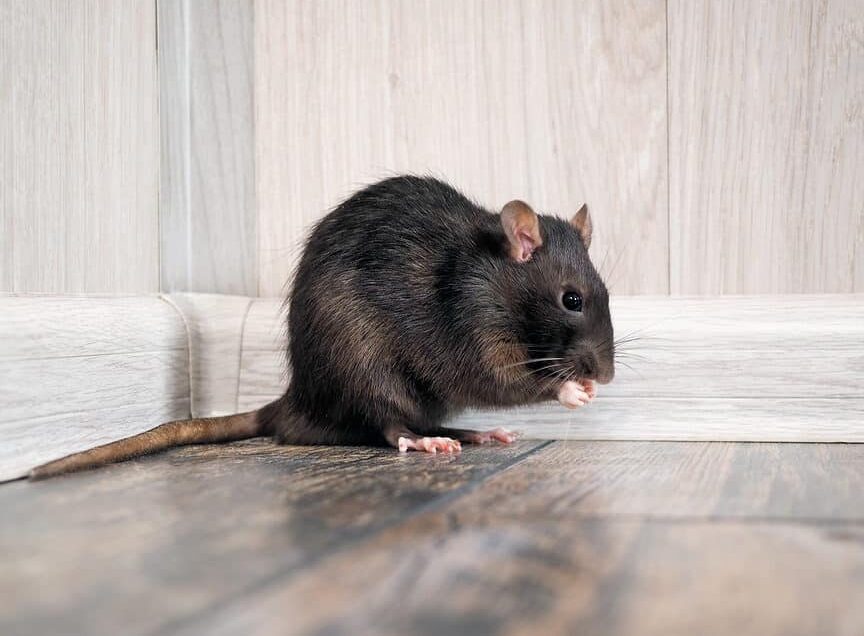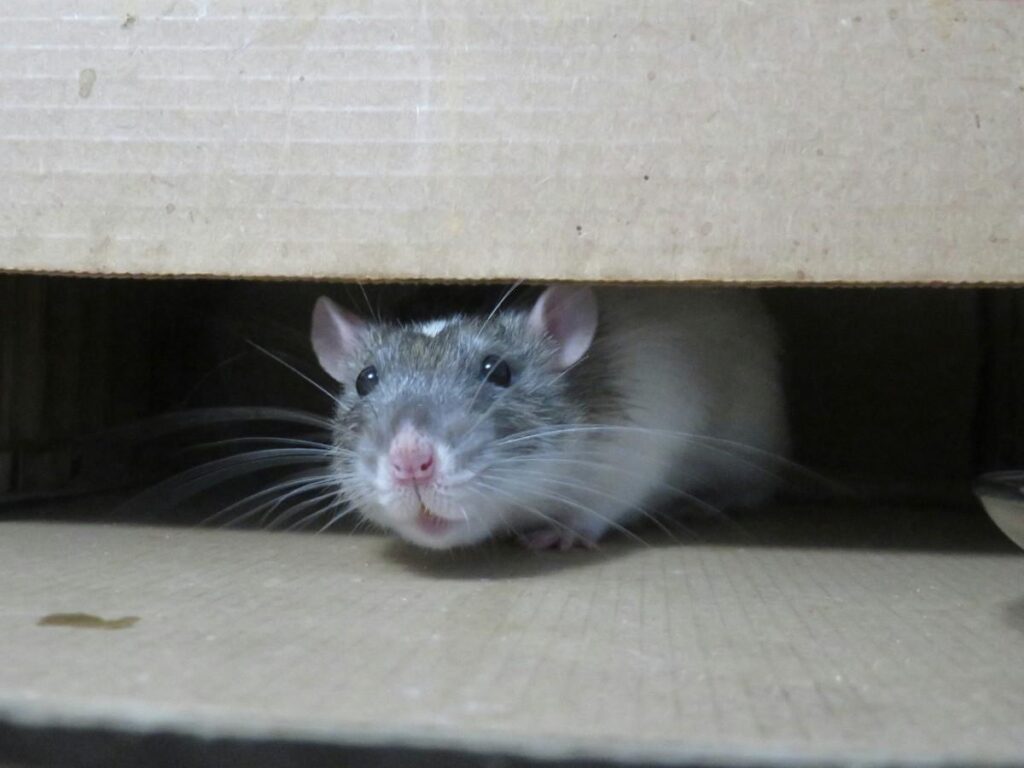
Yes, rats can chew through spray foam. Expanding foam can help fill gaps and seal irregular openings, but it should not be treated as a stand-alone rat barrier. If a rat can reach exposed foam at an entry point, it may gnaw through the material and reopen the route.
That is why a foamed-over hole does not always mean the home has been properly sealed. Effective exclusion focuses on identifying how rodents are getting inside, addressing active rodent activity, and using a durable barrier suited to the opening.
Why Spray Foam Is Vulnerable to Rodent Damage
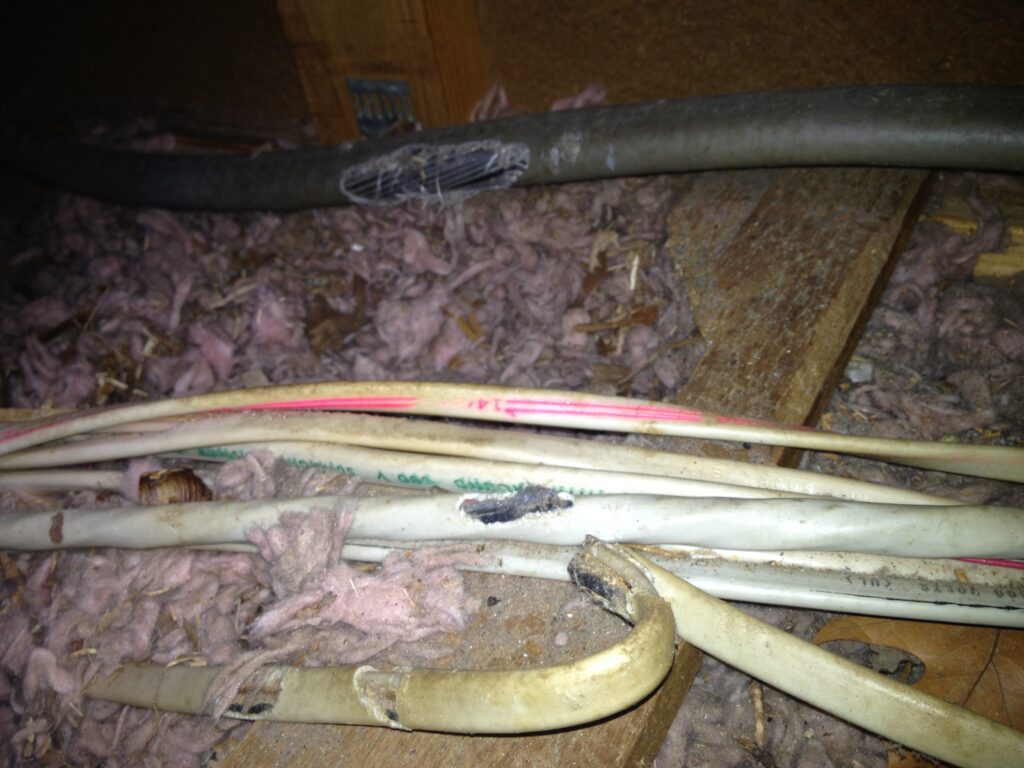
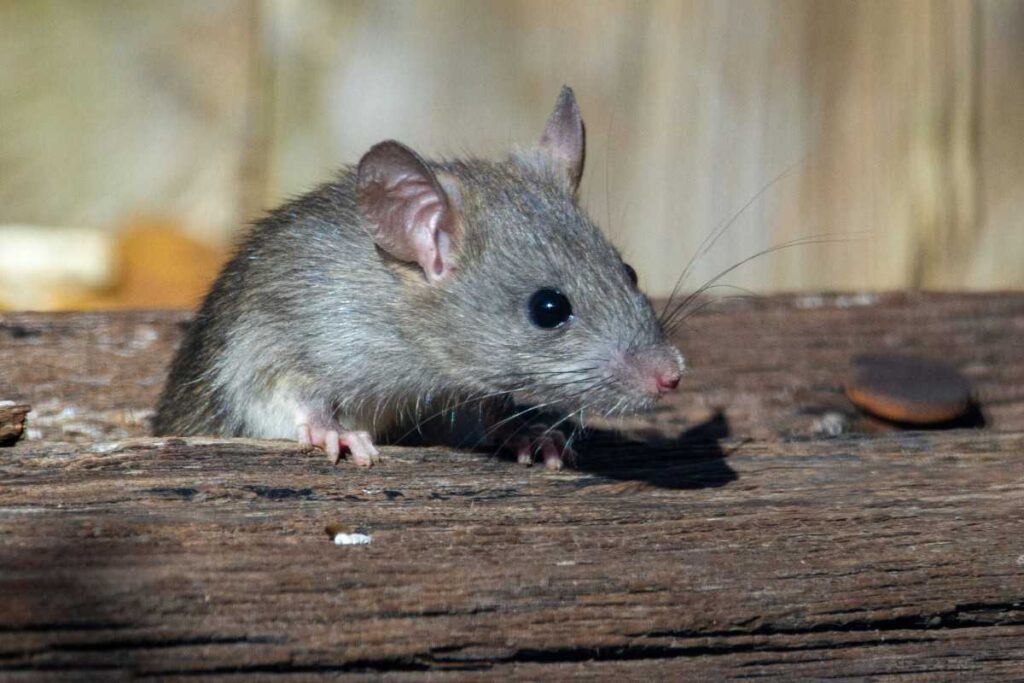
Rats naturally gnaw as they move through their environment. Their incisors continuously grow. When foam blocks a route into an attic, crawlspace, wall cavity, or other protected area, a rat may chew through it to regain access.
Spray foam can help seal irregular spaces and small gaps. However, its function is different from a physical, chew-resistant barrier.
The CDC notes that expanding foam can reinforce repairs, while hardware cloth, metal, or other durable materials should serve as the primary barrier for larger openings. Foam alone is generally not enough.
Where Rodents Can Exploit Foam-Sealed Gaps
Location matters. A foam patch is more vulnerable when rodents can reach its surface or work around its edges.
Common areas that deserve inspection include:
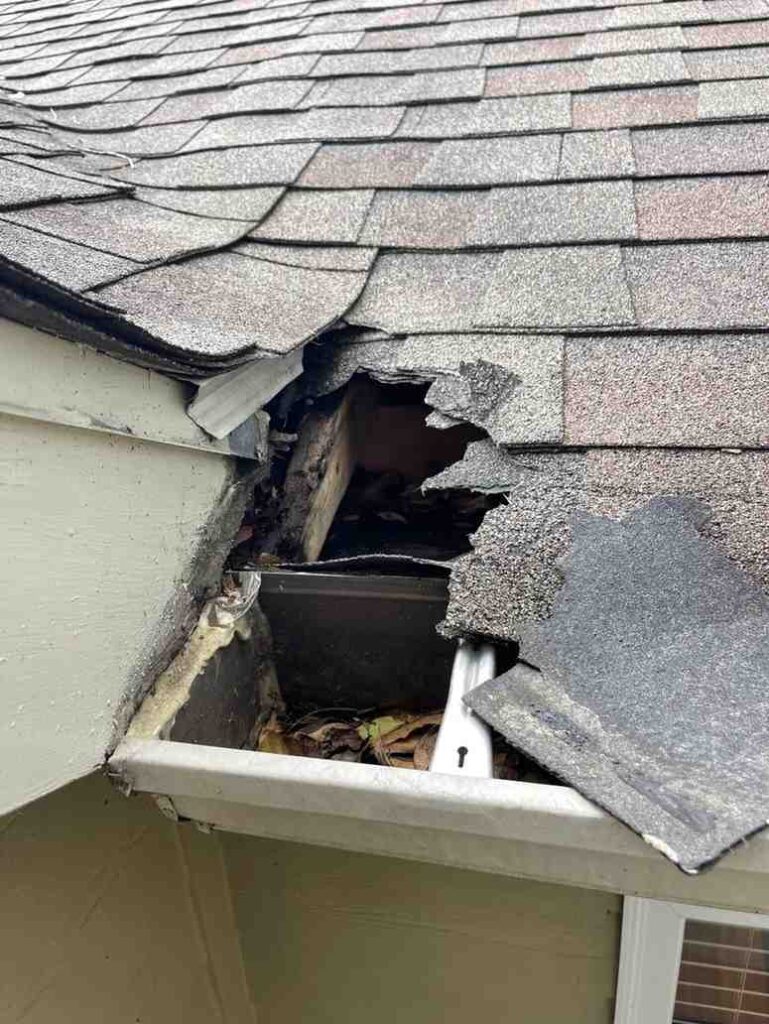
- Roofline gaps, eaves, gables, and soffits
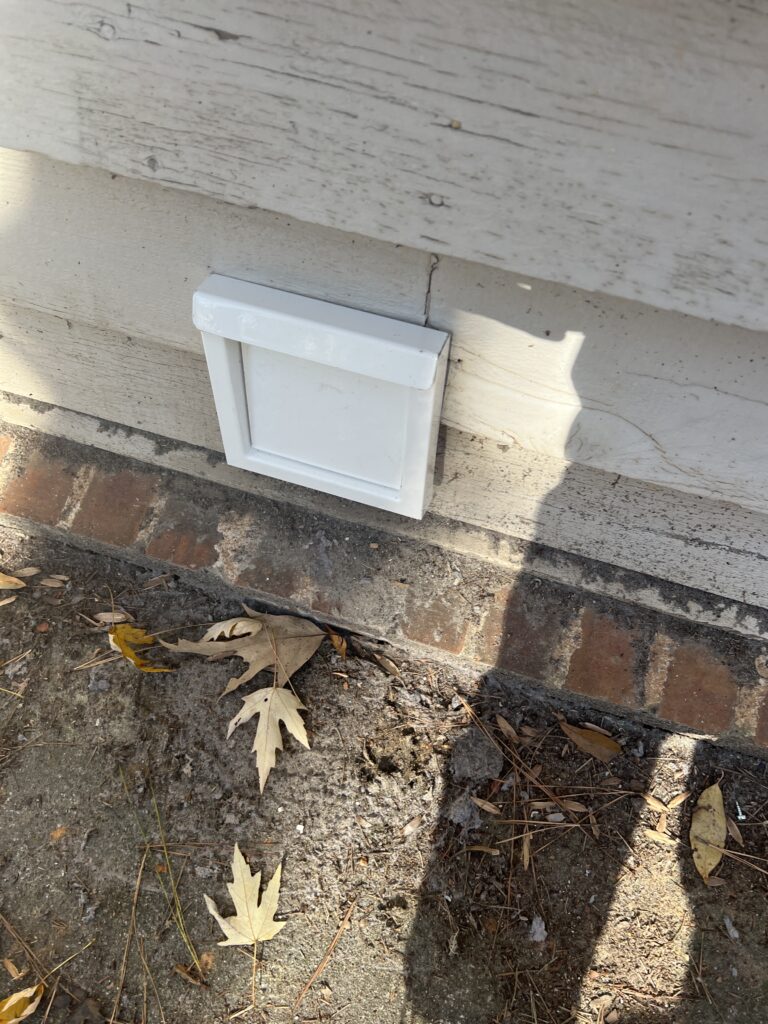
- Attic and crawlspace vents
- Openings around plumbing, electrical, cable, and gas lines
- Gaps around ducts and other exterior penetrations
- Foundation openings and damaged siding
- Spaces around doors, windows, and screens
These locations can provide pathways into attics, walls, crawlspaces, and other concealed areas. The CDC recommends checking inside and outside for gaps.
Signs Rodents May Be Getting Inside
A damaged foam repair may leave physical evidence, but homeowners should look beyond the repair itself. Fresh rodent activity elsewhere can indicate that the original entry route remains accessible or that another opening has been missed.
Watch for:
- Fresh gnaw marks around the foam or nearby materials
- A new hole or tunnel through the repaired area
- New droppings along walls, near openings, or in concealed spaces
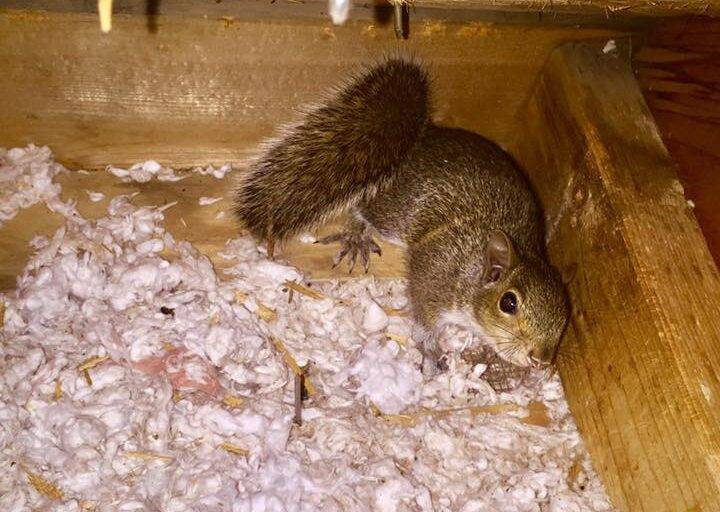
- Shredded insulation or nesting material
- Grease or rub marks along frequently used routes
- Scratching or movement sounds from an attic, wall, or ceiling
One sign does not always prove that rats are currently inside. However, fresh damage or continued activity deserves investigation.
Building a More Durable Rodent Barrier
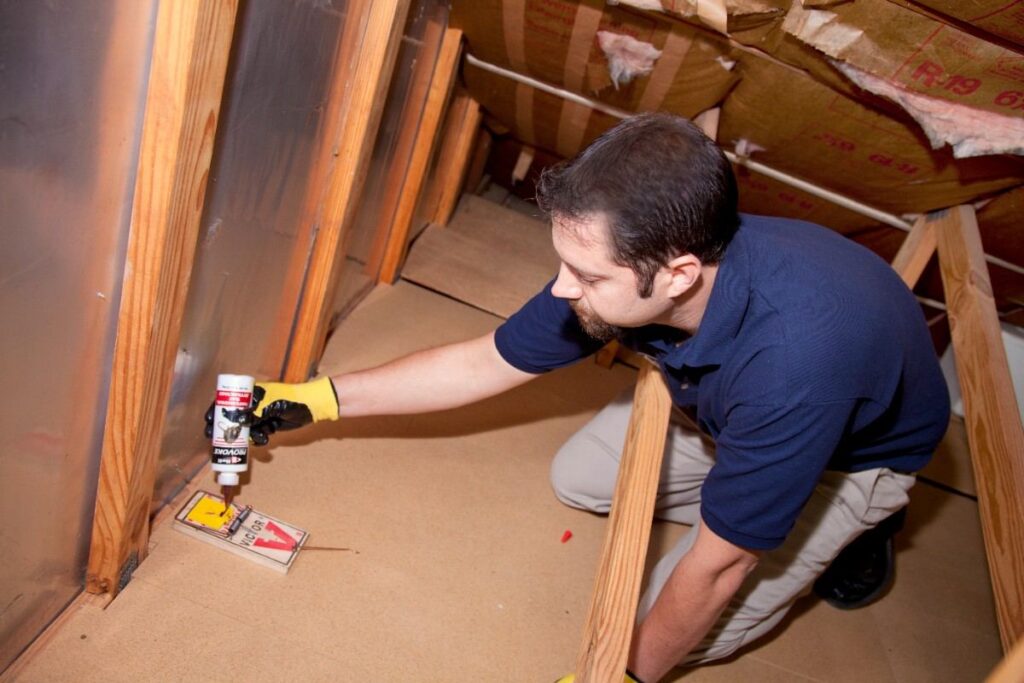
The appropriate repair depends on the size, location, and construction of the opening. The objective is to prevent rodents from reopening it.
A repair may use:
- Hardware cloth or suitable metal mesh
- Metal sheeting or flashing
- Steel or copper mesh for appropriate small gaps
- Caulk or sealant around a properly installed barrier
- Spray foam as a supporting material where appropriate
The barrier, rather than exposed foam, should provide the primary resistance against rodent entry. For larger openings, the CDC recommends hardware cloth, metal, or metal sheeting.
What to Do When Rats Are Already Inside
Sealing an opening does not automatically remove rats that may already be inside the structure. If there is ongoing activity, the removal process and exclusion work need to be considered together.
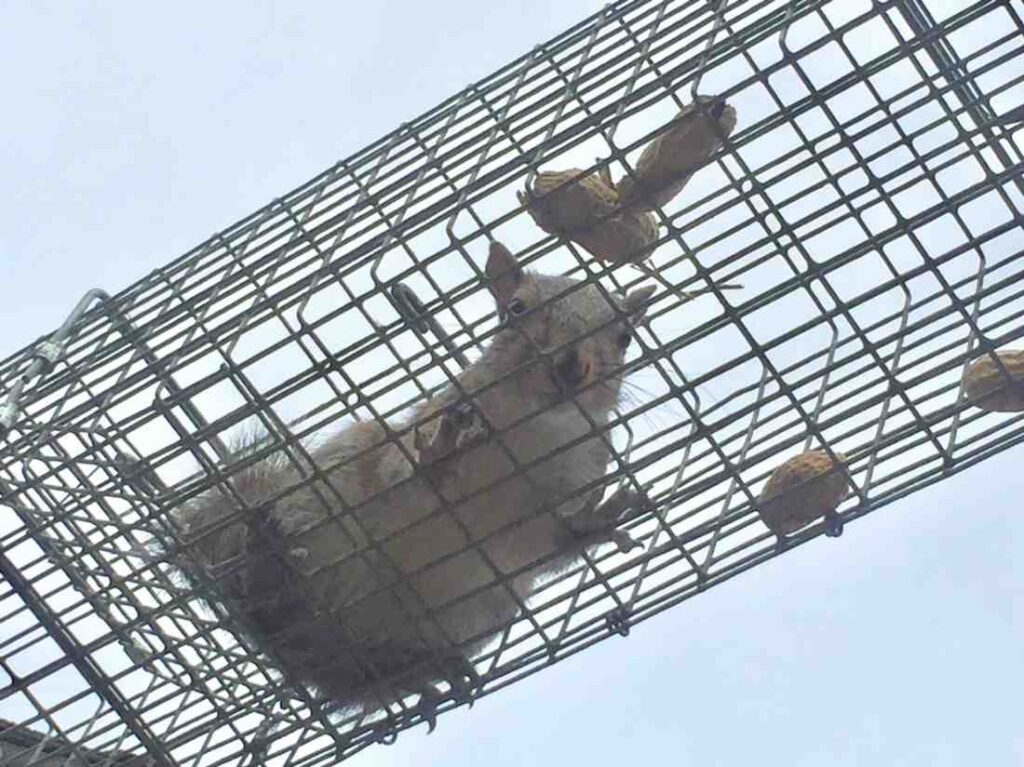
The CDC recommends checking how rodents entered, sealing openings, and trapping rodents that remain inside. Continued droppings, gnawing, or other fresh signs after a repair can indicate that rodents are still present.
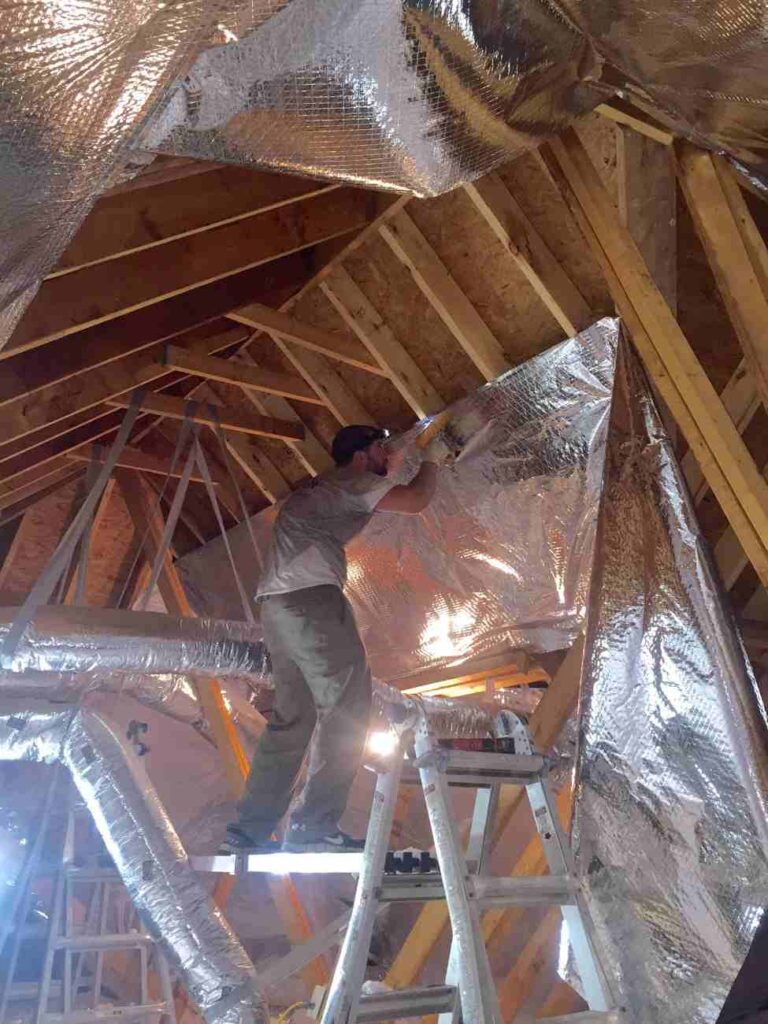
This is especially important in attics, crawlspaces, and wall cavities, where rodents can remain hidden. Repeatedly patching damaged foam without finding the active route may leave the problem unresolved.
Why Entry-Point Repair Is Only Part of Exclusion
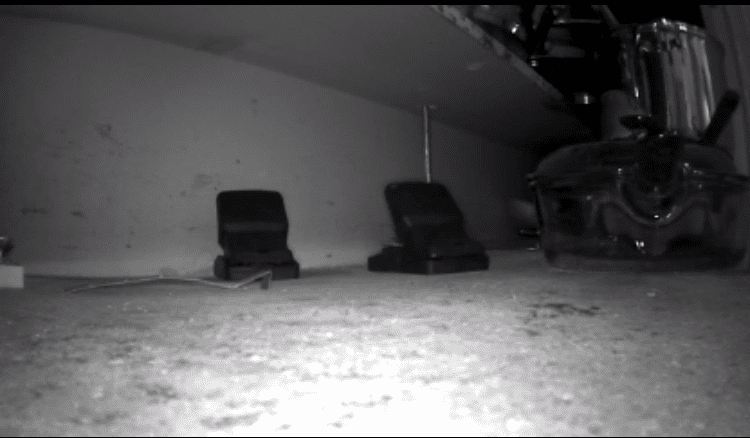
A rat problem is rarely solved by covering the obvious hole. Rodents may use more than one access point, particularly around rooflines, utility penetrations, vents, foundations, or damaged exterior materials.
Proper exclusion therefore involves looking at the structure as a whole. The goal is to identify vulnerable areas, address active rodent activity, and repair accessible openings with materials appropriate to the location.
This helps prevent the cycle of patching foam and discovering new damage later.
How A&A Wildlife & Home Solutions Handles Rat Exclusion
A&A Wildlife & Home Solutions can help homeowners identify how rats are accessing a property and determine which areas need attention. An inspection can look beyond a visible foam patch to roofline gaps, vents, utility penetrations, foundation openings, and other vulnerable locations.
Depending on the opening, exclusion may involve metal mesh, flashing, sealants, or foam used as part of a repair.
Frequently Asked Questions
Can rats chew through cured expanding foam?
Yes. Cured foam can still be damaged when rats can reach and gnaw at it. Curing makes the foam solid, but it does not make it a rodent-proof material.
How long does spray foam last around rats?
Its service life depends on the product, installation, exposure, and whether rodents can access it. Foam that is exposed to active gnawing can be damaged much sooner than foam protected by a suitable barrier.
Can spray foam be part of a rat exclusion repair?
Yes. Foam can be useful for filling irregular spaces or reinforcing certain repairs. The key is not to rely on exposed foam as the only material preventing rodent access.
What should homeowners do after finding damaged foam?
Look for fresh signs of rodent activity and determine whether the opening is still being used. If activity continues, the entry route and any rats remaining inside should be addressed rather than simply adding another layer of foam.
Final Takeaway
Rats can chew through spray foam, so exposed foam should not be considered a complete rat-exclusion solution. It can have a useful supporting role, but accessible openings need an appropriate physical barrier and the underlying rodent activity must be addressed.
If you keep finding fresh gnaw marks, droppings, or damaged foam after sealing an opening, A&A Wildlife & Home Solutions can help identify the access point and determine the appropriate next step.