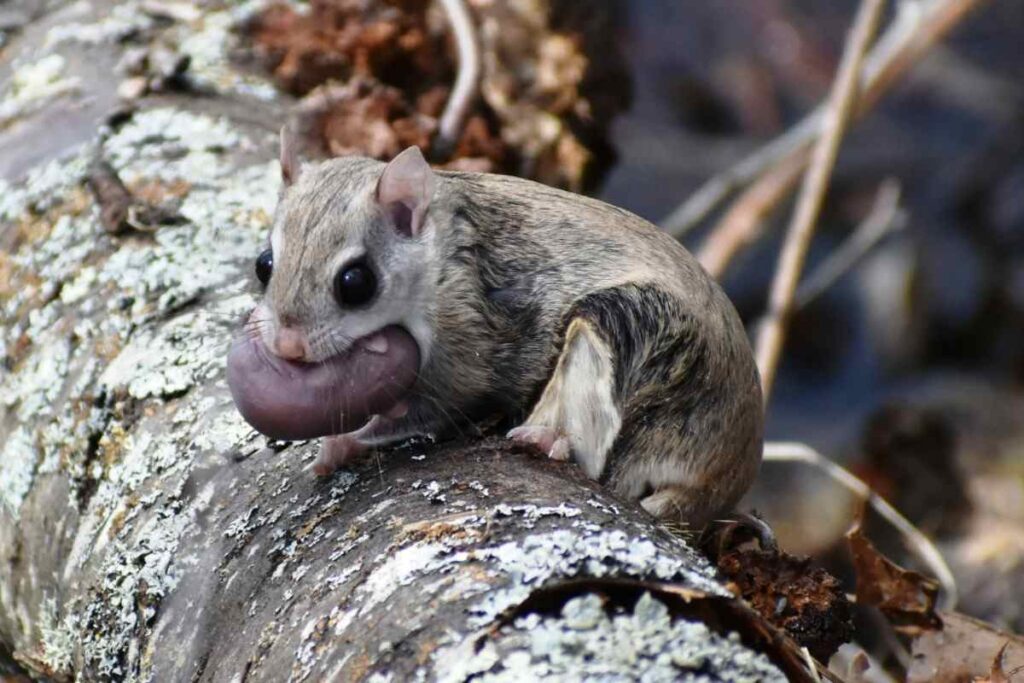
How Flying Squirrels Enter Homes
Flying squirrels are small, nocturnal squirrels that can occasionally enter homes in search of a protected place to rest or nest. In Georgia, UGA Extension identifies flying squirrels among the wildlife that can enter buildings through openings around gabled ends, soffits, vents, and other exterior gaps. Because they are mainly active at night, homeowners may notice scratching or scurrying overhead before they ever see the animal.
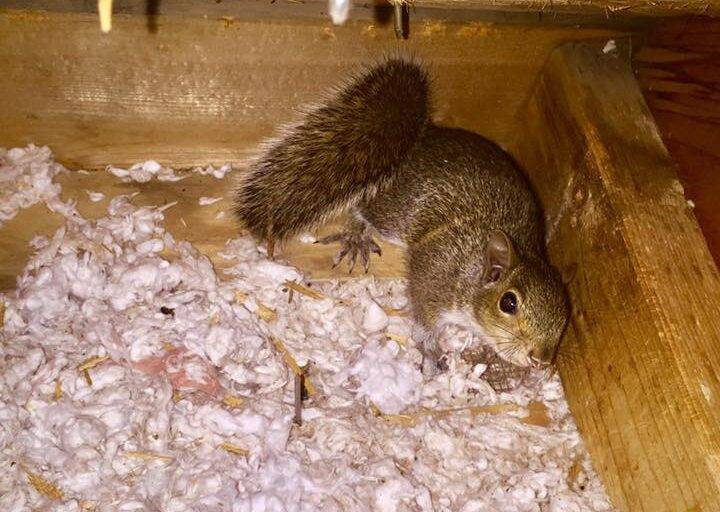
Unlike gray squirrels, which are commonly noticed during the day, flying squirrels can remain hidden inside an attic during daylight hours. Their small size also allows them to take advantage of openings that may appear insignificant from the ground.
Small Openings Can Become Entry Points
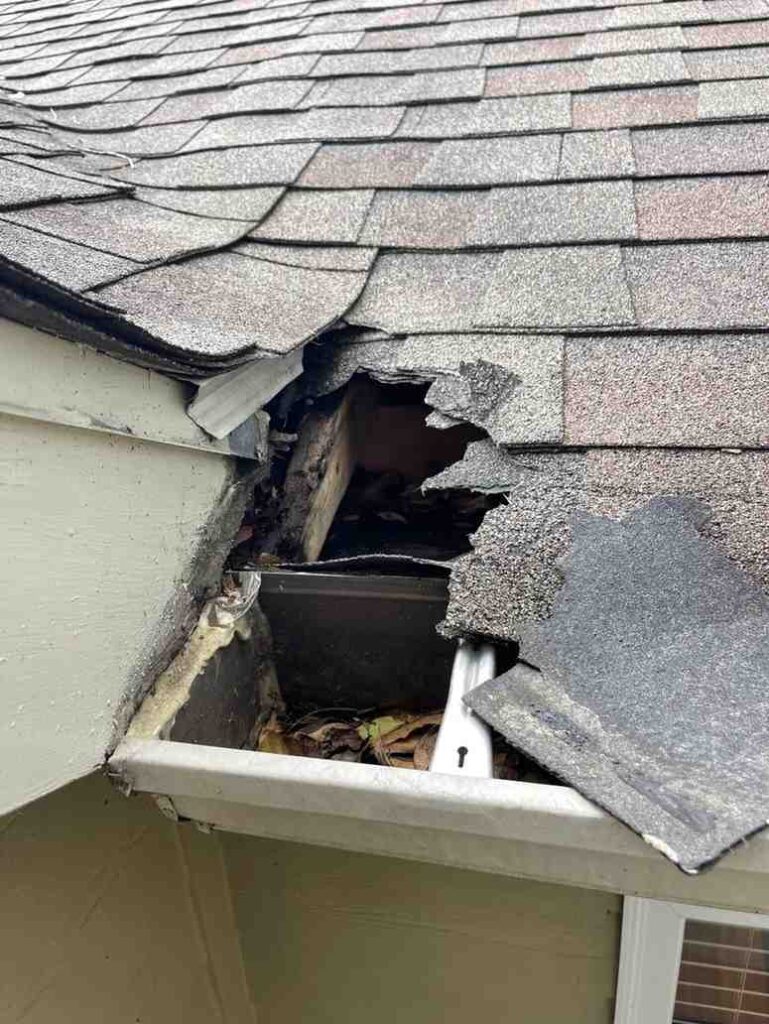
Flying squirrels do not need a large damaged section of a roof to get inside. A gap around an attic vent, gable, soffit, or roofline can provide enough access for a small animal to enter.
Common entry areas include:
- Gable ends: UGA Extension identifies gabled ends as a common entry point for flying squirrels, gray squirrels, bats, and birds.
- Soffits and eaves: Damaged or loose soffit areas can create openings into the attic.
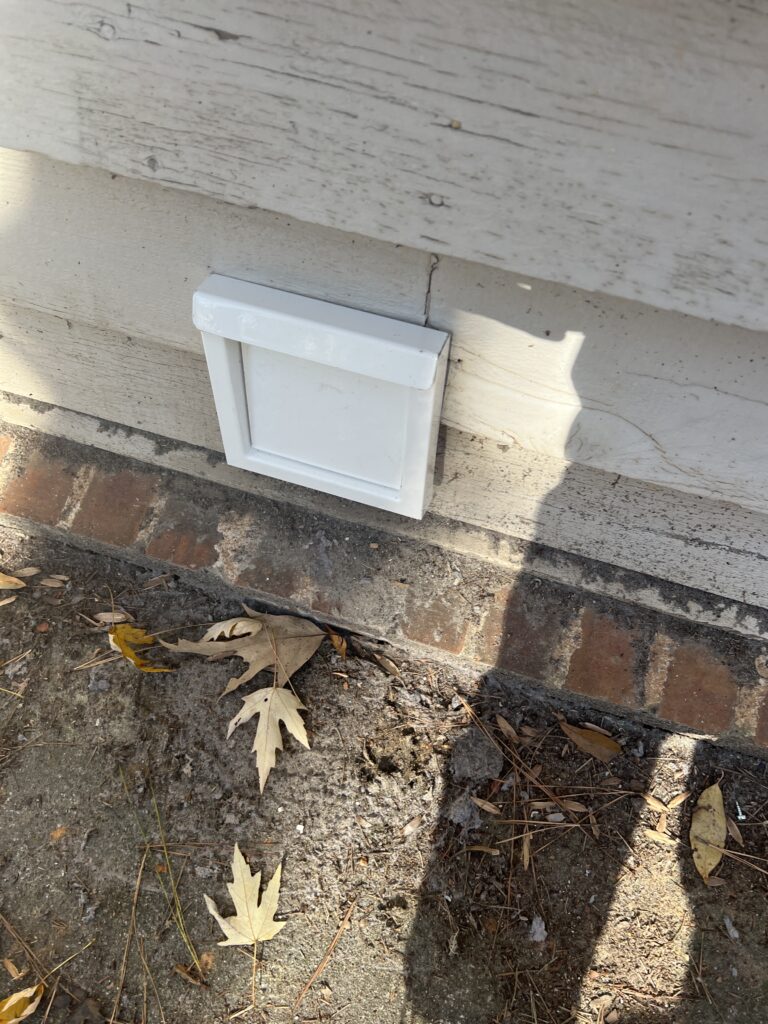
- Attic vents: Missing or damaged screening can leave ventilation openings accessible to wildlife.
- Avoiding intentional wildlife feeding
- Roofline gaps: Openings where roofing materials, fascia, and exterior walls meet can provide access.
- Other exterior openings: Gaps around building components may also become entry points when they are large enough for wildlife to pass through.
The important point is that an entry hole does not always look obvious. A small opening at the right location can be more important than a large opening that is difficult for wildlife to reach.
How Flying Squirrels Reach the Roof
Flying squirrels can use the trees and vegetation around a home to reach elevated parts of the structure. Branches close to the roof, connected tree canopies, and other accessible routes can bring them within reach of vulnerable areas such as gables, soffits, and roof edges.
Once they reach the roof, they may investigate openings or damaged areas that provide access to the attic. The surrounding landscape can therefore play a role in how wildlife reaches potential entry points, especially when mature trees are located close to the house.
Why Flying Squirrels Choose Attics
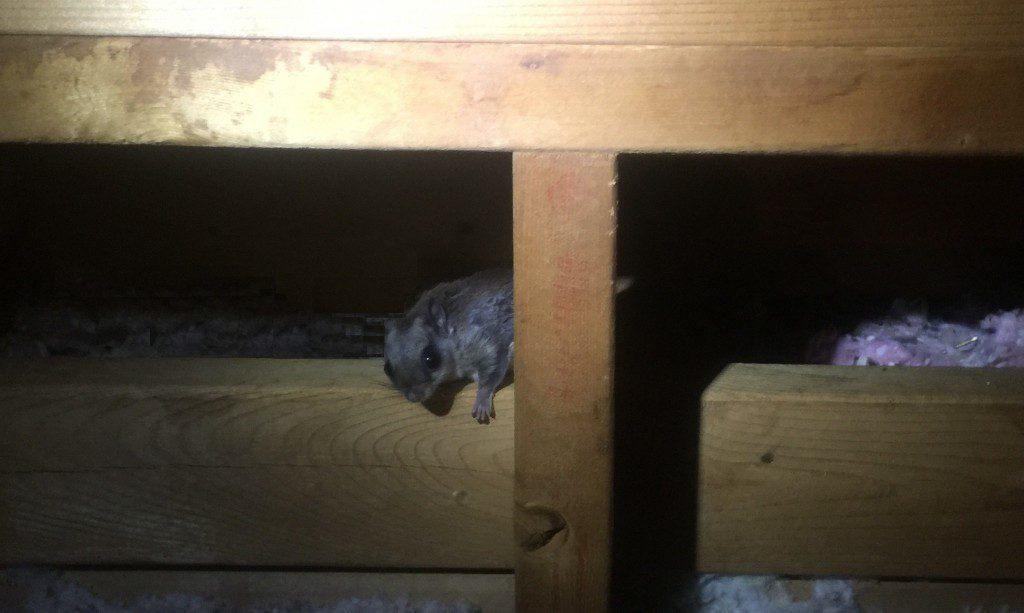
Reaching the roof is only part of the problem. Flying squirrels are more likely to remain inside when they find an attic that provides shelter, protection, and a suitable place to rest or nest.
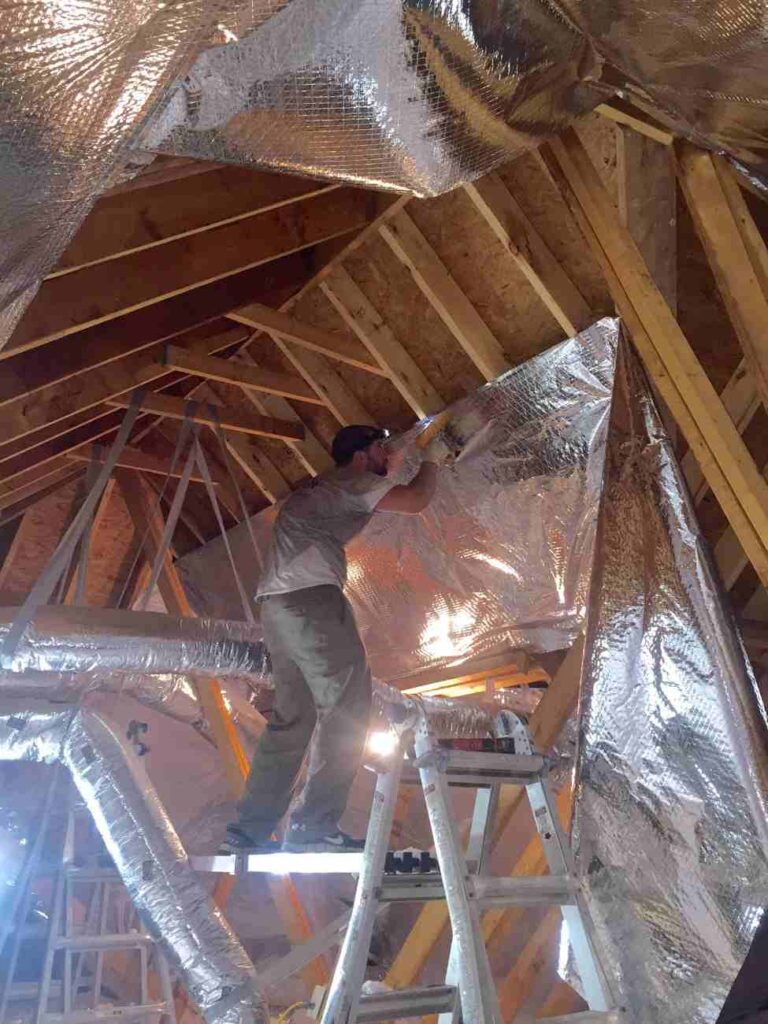
Attics can offer a quiet environment away from outdoor weather and many predators. Insulation and secluded spaces can also provide materials or locations that are suitable for nesting. Penn State Extension notes that flying squirrels commonly nest in attics and other enclosed areas of buildings.
This distinction matters because fixing the access route alone does not explain why an attic became attractive in the first place. Understanding both factors helps homeowners address the immediate entry problem while also reducing conditions that may encourage repeated wildlife activity.
Signs That May Point to Flying Squirrels
Noise is useful, but it should not be used alone to identify the animal. Look for several clues together.
You may notice:
- Scratching or scurrying sounds after dark
- Movement above ceilings or around the attic
- Small openings near roofline areas
- Disturbed insulation
- Gnaw marks around possible entry points
- Repeated nighttime activity near the roof
A&A Wildlife & Home Solutions also identifies middle-of-the-night scratching and small holes in attic insulation as signs that can be associated with flying squirrel activity.
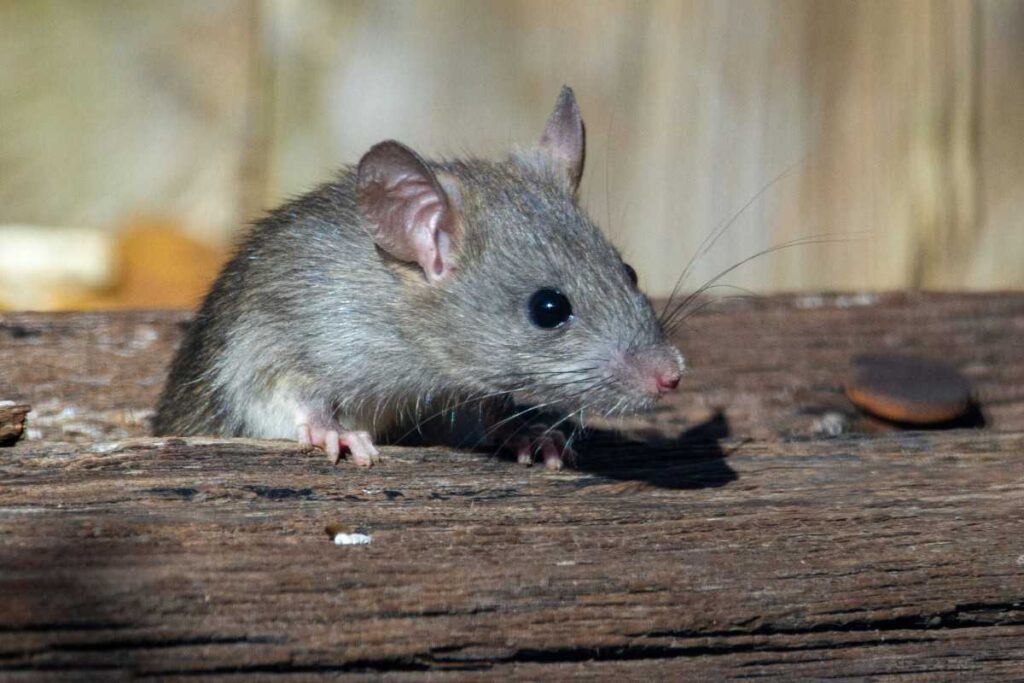
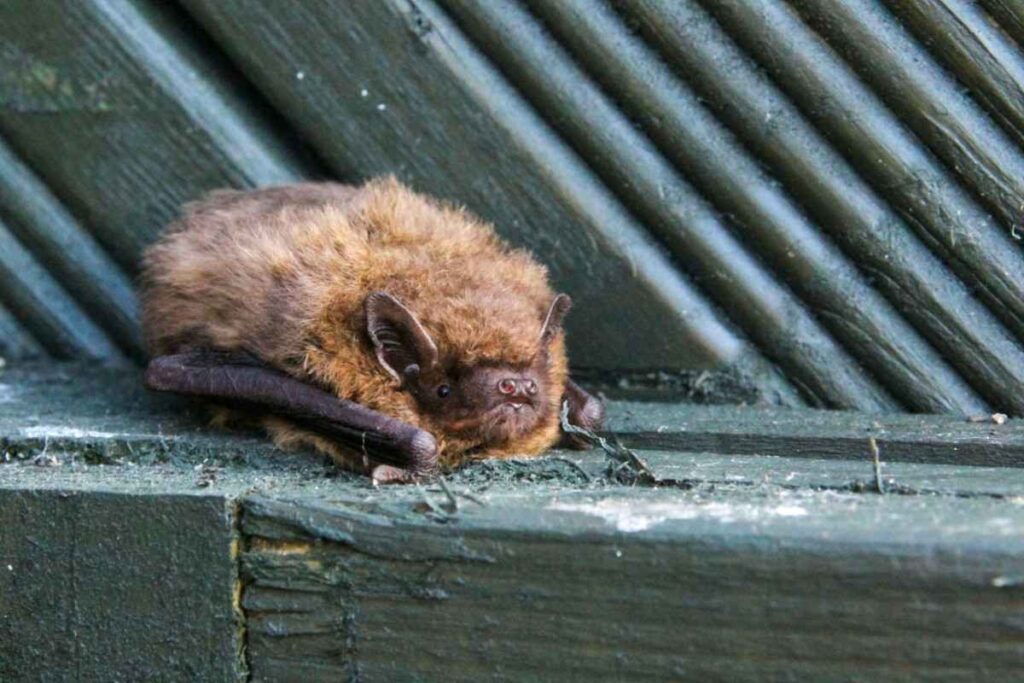
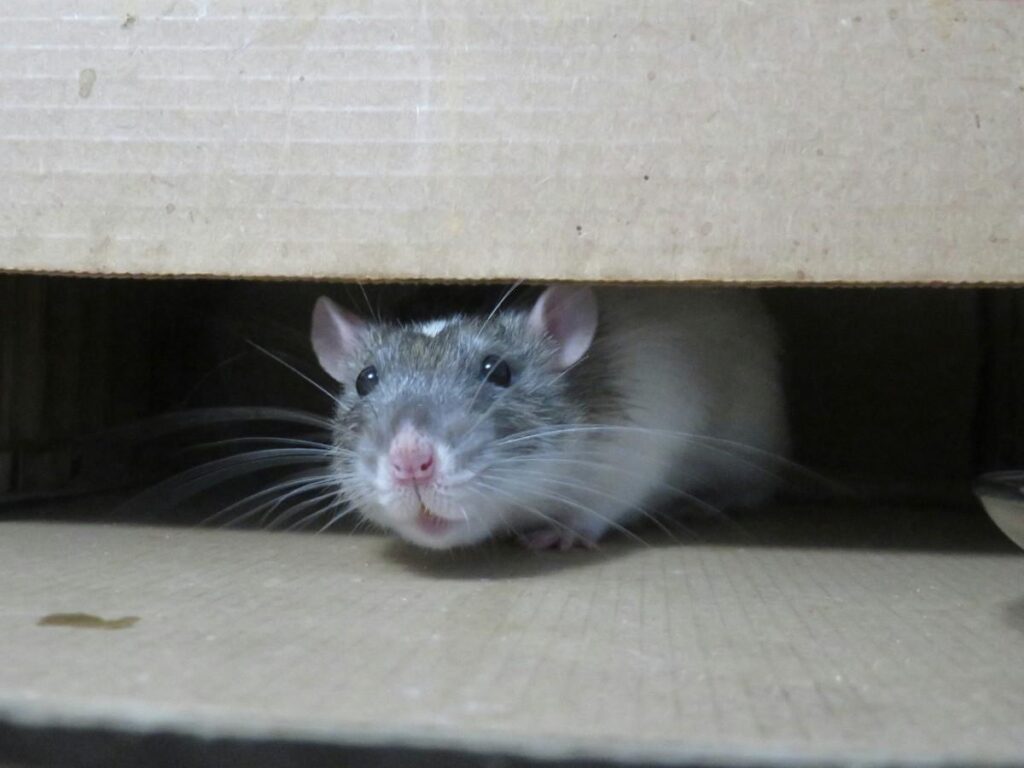
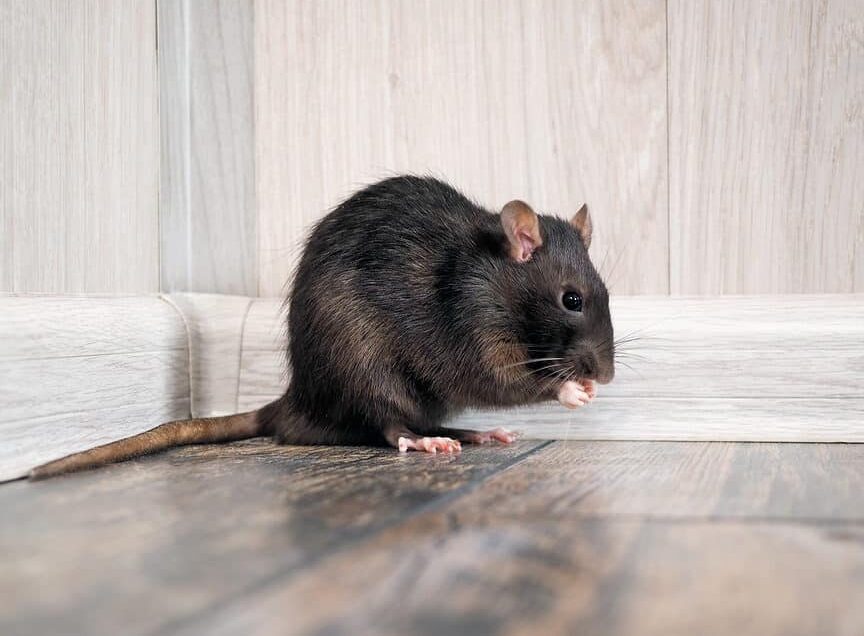
However, these signs are not exclusive to flying squirrels. Rats, mice, bats, and other wildlife can create similar noises or evidence, so proper identification matters before deciding how an opening should be handled.
Why You Should Not Seal the Opening Immediately
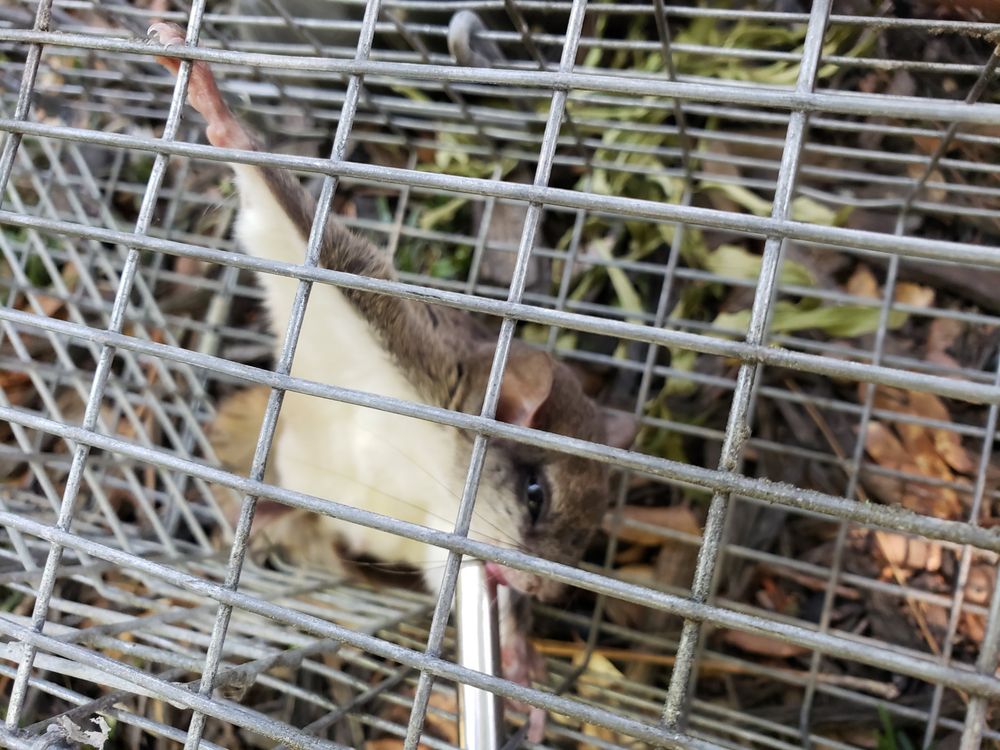
Finding an opening may make it tempting to seal it right away. However, closing an active entry point without confirming that the animal is outside can trap wildlife inside the home.
This can lead to additional damage as the animal attempts to escape. If young are present, sealing an opening can also separate them from the adult.
Penn State Extension recommends making sure squirrels are not locked inside before completing exclusion work. UGA Extension likewise advises homeowners not to close an entrance to an occupied squirrel nest when young may be present.
The goal should therefore be more than simply covering the visible hole. The animal needs to be accounted for first, followed by appropriate exclusion.
How to Reduce Flying Squirrel Entry Risks
Preventing access is primarily an exclusion and maintenance issue. Homeowners should periodically inspect the upper exterior of the house, particularly after storms or other events that may damage vents and roof components.
Focus on:
- Inspecting gable vents for broken or missing screening.
- Checking soffits and fascia for gaps or deterioration.
- Examining roofline intersections for openings.
- Maintaining attic ventilation screens without blocking necessary airflow.
- Trimming accessible branches that provide wildlife a route toward the roof.
- Repairing damaged exterior materials before an opening becomes an established entry point.
UGA Extension recommends sealing building openings and using appropriate screening or exclusion materials around vulnerable areas while maintaining necessary ventilation.
When a Professional Inspection Makes Sense
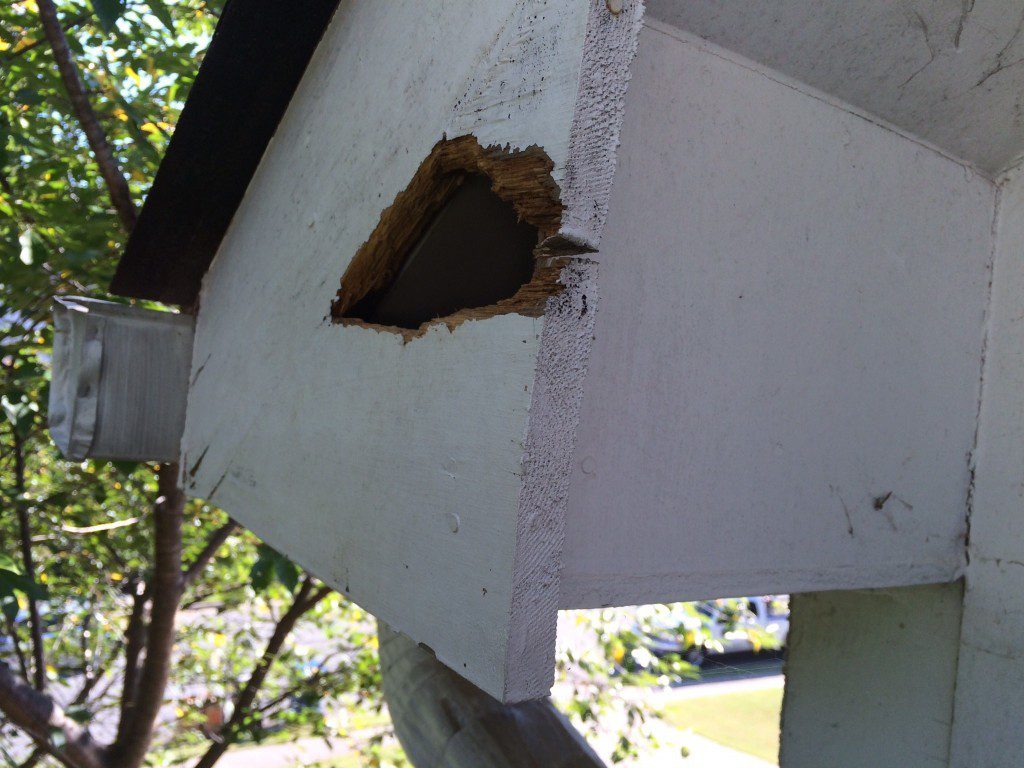
Flying squirrels can be difficult to identify because they are primarily active at night and may remain hidden during the day. If you continue hearing movement, find unexplained attic damage, or cannot determine how wildlife is getting inside, an inspection can help identify the species and entry route.
A&A Wildlife & Home Solutions provides flying squirrel removal and exclusion, including inspection of potential entry points and work designed to prevent wildlife from returning.
For broader wildlife concerns, homeowners can also explore A&A’s wildlife removal and exclusion services or its squirrel removal and exclusion service for information about related attic wildlife problems.
Frequently Asked Questions
Can flying squirrels get into an attic through a small hole?
Yes. Flying squirrels are small enough to use relatively limited openings around vents, gables, soffits, and roofline areas. The location and accessibility of the opening also matter.
Are flying squirrels active at night?
Yes. Flying squirrels are primarily nocturnal, so homeowners are more likely to hear scratching, scurrying, or movement after dark than during the day.
What does a flying squirrel sound like in an attic?
You may hear light scratching, scurrying, or movement overhead at night. However, similar sounds can come from mice, rats, bats, and other wildlife, so sound alone cannot confirm the species.
Should I close a hole if flying squirrels are inside?
Not immediately. First confirm that the animals have left and that no dependent young remain inside. Sealing an active opening too soon can trap wildlife inside the home.
How can I keep flying squirrels out of my attic?
Inspect gable vents, soffits, fascia, roofline gaps, and other exterior openings for damage. Keeping nearby branches trimmed can also reduce easy access to the roof.
Protect Your Home From Flying Squirrel Entry
Flying squirrels can enter through small openings and remain hidden until their nighttime activity becomes noticeable. Identifying the entry point and addressing it correctly are important steps in preventing repeat attic problems.
A&A Wildlife & Home Solutions can help homeowners identify flying squirrel activity, locate potential entry points, and address vulnerable areas through appropriate wildlife removal and exclusion. You can also learn more about A&A’s squirrel removal and exclusion services for additional information.