Attic insulation can hide contamination long before a homeowner notices an obvious problem. Rodent urine, droppings, nesting material, unusual odors, and visibly disturbed insulation can all indicate contamination. Because insulation is porous and often covers large areas of the attic floor, visible signs may represent only part of the affected area. Recognizing the warning signs early can help homeowners determine whether an attic inspection, cleanup, or insulation replacement is needed.
What Does Contaminated Attic Insulation Look Like?
Contaminated insulation does not always have one distinct appearance. The signs can vary depending on the animal, how long it has been present, and how extensively the insulation has been disturbed.
Look for:
- Dark or discolored areas that differ noticeably from surrounding insulation.
- Compressed or flattened sections where animals have traveled or nested.
- Nesting material such as shredded paper, fabric, leaves, or other debris.
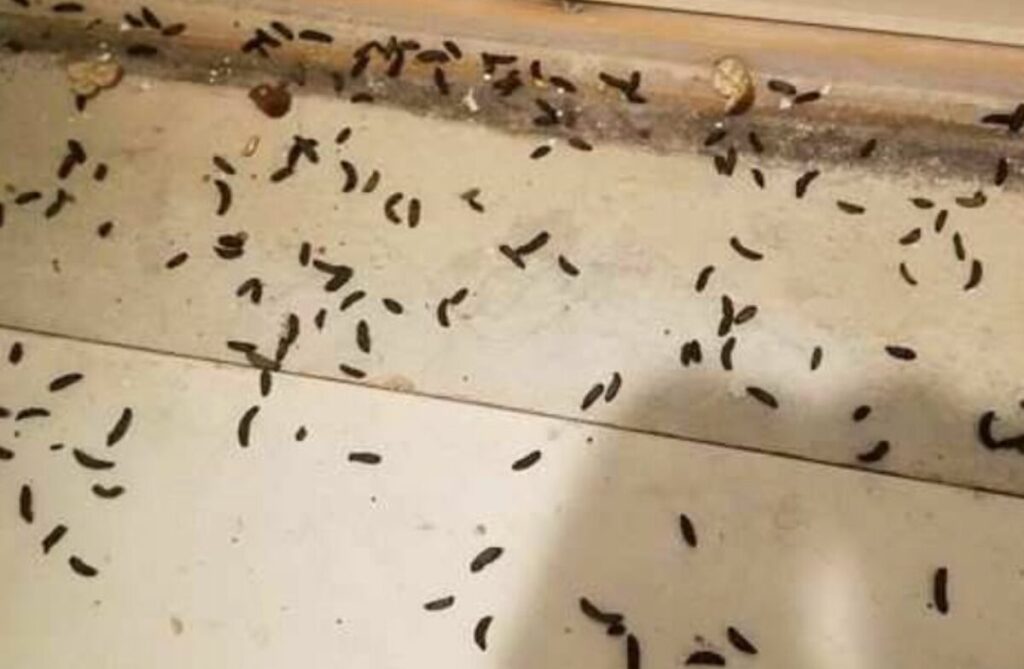
- Rodent droppings scattered through or around the insulation.
- Urine staining or persistent odors in areas where animals have been active.
- Tunnels, paths, or disturbed sections showing repeated animal movement.
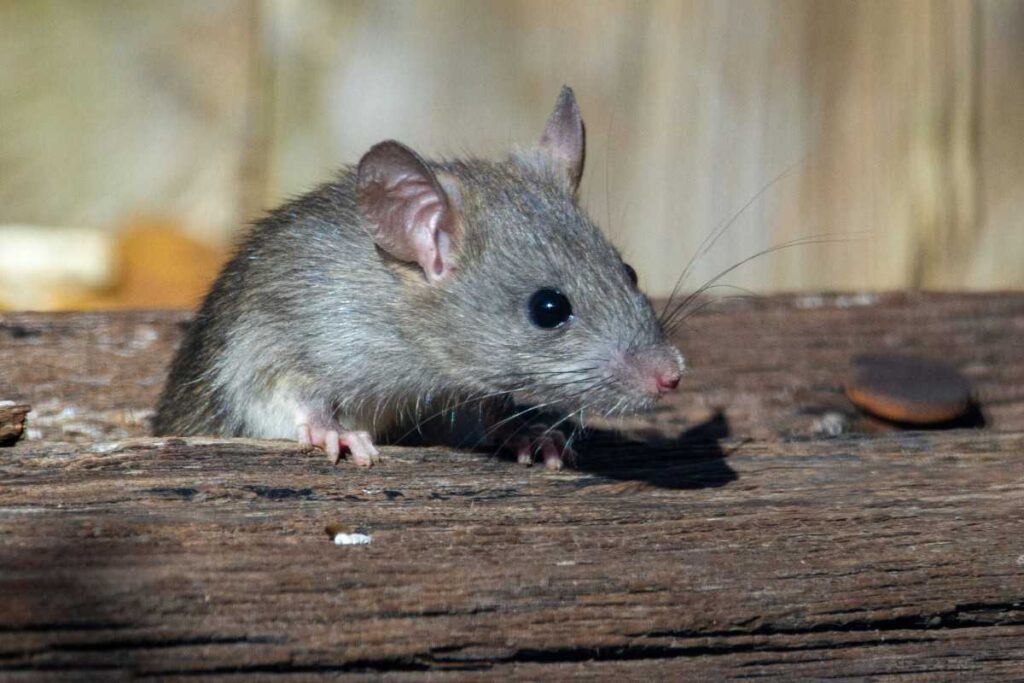
The EPA identifies droppings, nesting materials, gnaw marks, and stale odors among common signs of rodent activity.
Unusual Odors Coming From the Attic
A persistent smell from the attic can be an important warning sign, particularly when there is no obvious source inside the living space.
Rodent urine can produce a strong, ammonia-like odor when animals repeatedly use the same area. Nesting material, droppings, and a dead animal can also create unpleasant or musty smells.
An odor that continues after the animals are gone should not automatically be treated as an ordinary attic smell. It may indicate that contamination remains in insulation or other porous materials.
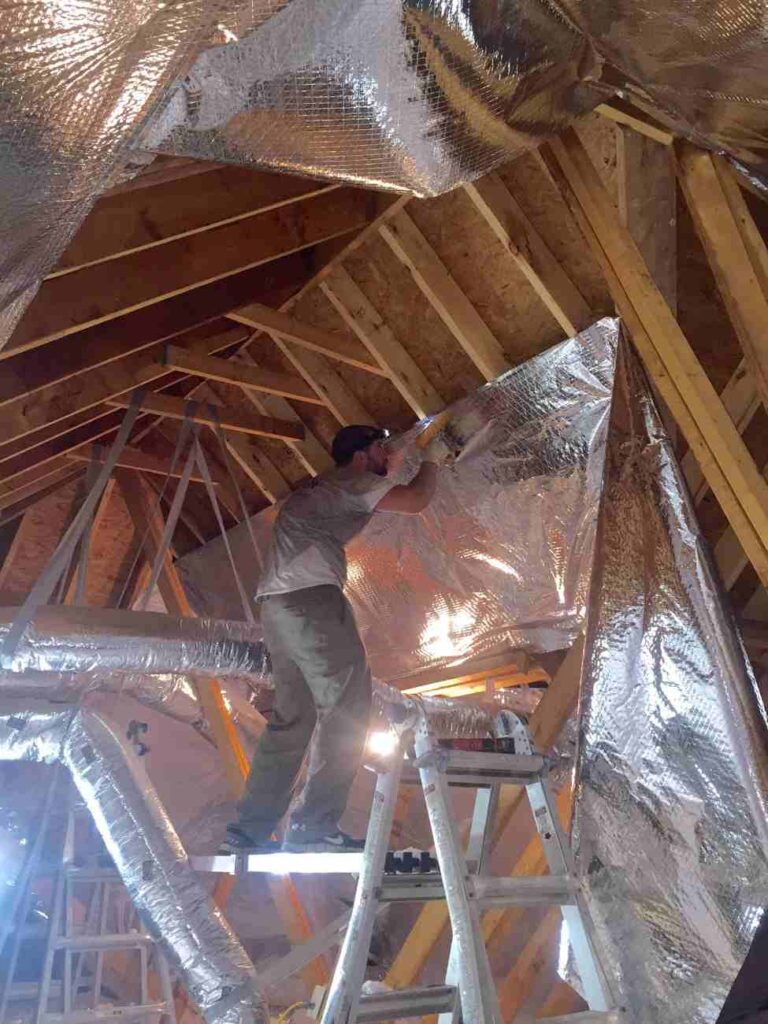
A&A Wildlife’s attic restoration service addresses wildlife contamination, damaged insulation, and lingering odors as part of the restoration process.
Signs You May Find in the Insulation
Some contamination is easier to identify by looking closely at the insulation itself.
Droppings and Nesting Material
Rodent droppings may be found on top of insulation, between insulation fibers, or around areas where rodents have created travel paths. Shredded paper, fabric, leaves, and insulation pulled into piles can indicate nesting activity. The CDC identifies droppings and nesting materials as important evidence of rodent activity and recommends safe cleanup procedures when these materials are found.
Easy Access Through Small Openings
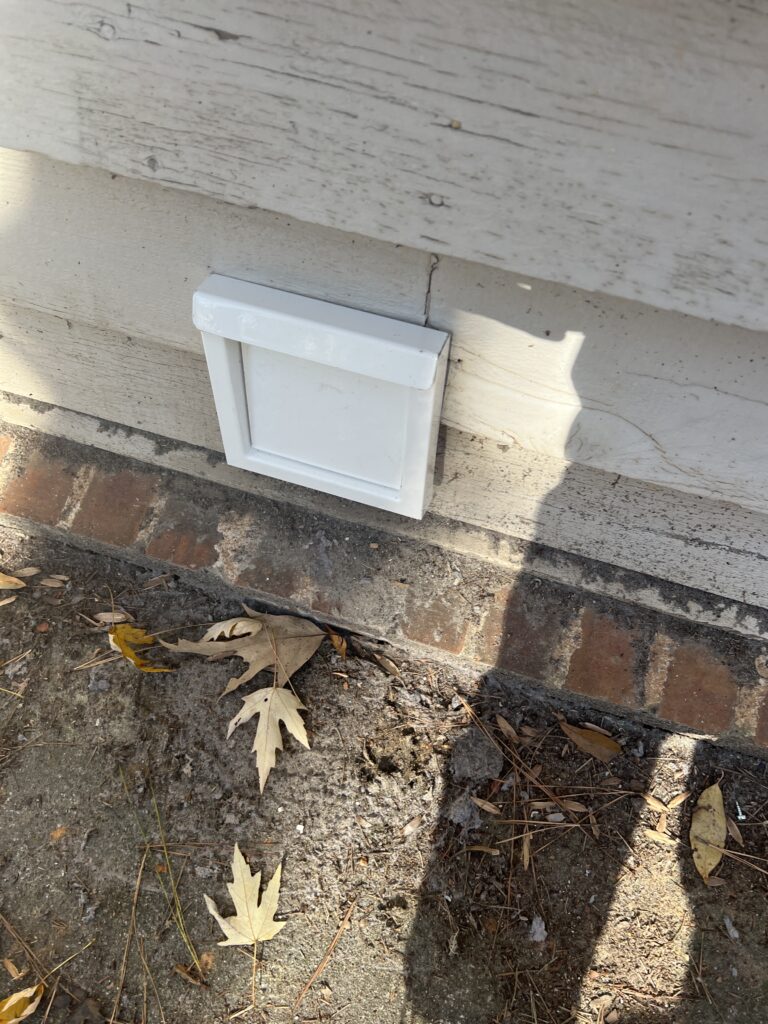
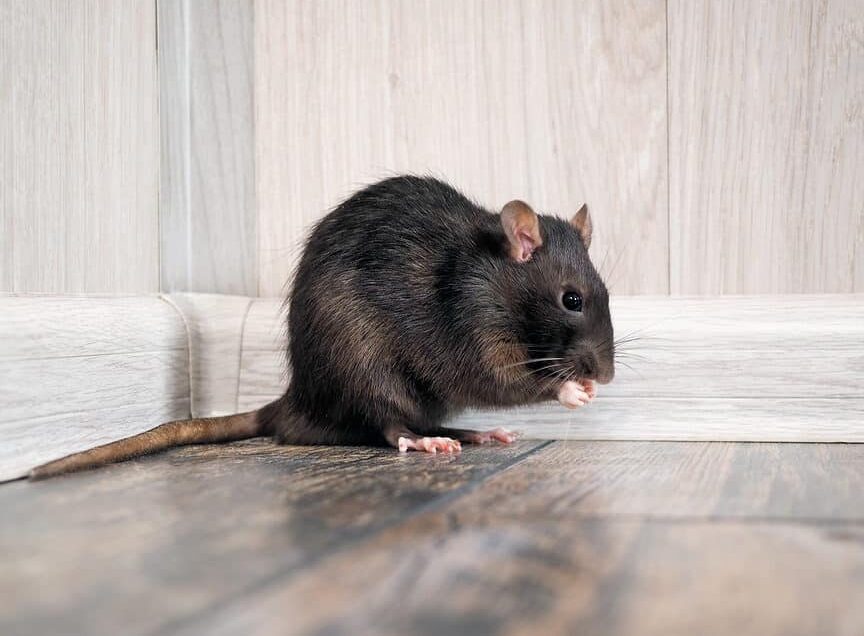
Rodents do not need a large entrance. The CDC notes that mice can squeeze through openings about 1/4 inch wide, roughly the width of a pencil. Crawlspace vents, damaged screens, foundation gaps, and openings around pipes can therefore become entry points. Once inside, rodents may move between the crawlspace, wall cavities, attic, garage, or other parts of the structure.
Other Warning Signs Around the Attic
Contaminated insulation is often accompanied by evidence elsewhere in the attic. Check for:
- Gnaw marks on wood, wiring, or plastic.
- Damaged or displaced vent screens.
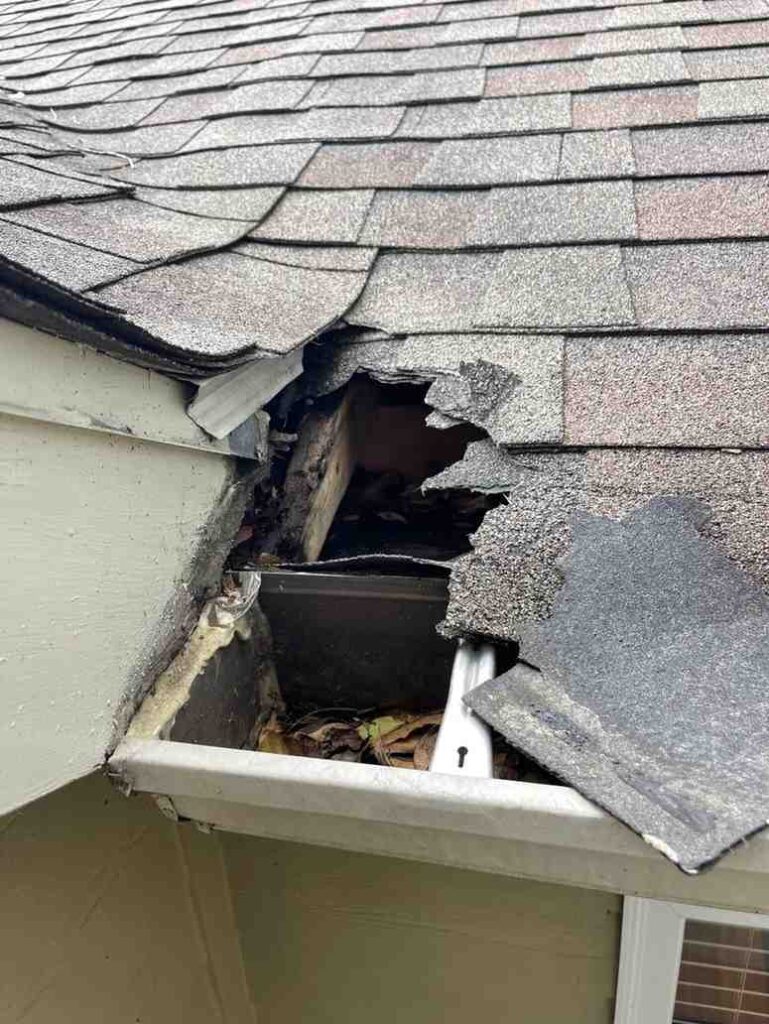
- Openings around rooflines, soffits, or attic vents.
- Droppings near access points.
- Scratching or scurrying sounds.
- Grease marks or repeated travel paths.
These signs can help determine whether the insulation problem is connected to an active or previous wildlife issue. The CDC recommends looking for droppings and gnaw marks and sealing openings that allow rodents to enter.
Could Contaminated Insulation Affect Indoor Air?
Rodent contamination can become an indoor environmental concern if waste or other particles are disturbed and move into occupied areas.
The CDC advises homeowners not to sweep or vacuum rodent urine, droppings, or nesting materials, because these actions can disturb contaminated particles and put them into the air. Extensive contamination may require professional assessment and appropriate cleanup procedures.
When Should Contaminated Insulation Be Removed?
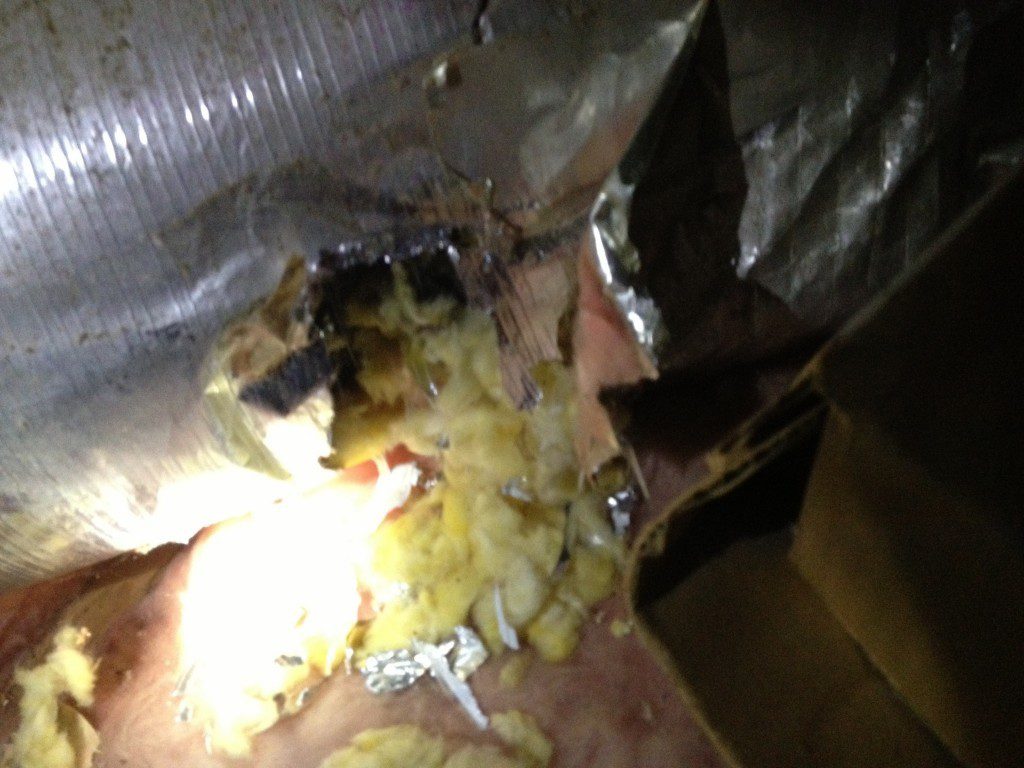
Not every unusual-looking section automatically requires complete replacement. The decision depends on the type, location, and extent of contamination and the condition of the remaining material.
Removal may be appropriate when insulation has extensive urine or droppings contamination, significant nesting, widespread damage, or moisture problems. The CDC specifically recommends removing exposed insulation contaminated with rodent urine and droppings.
A&A Wildlife can help evaluate damaged insulation as part of attic restoration and determine whether removal and replacement are appropriate.
What Should You Do If You Find Contaminated Insulation?
Start by avoiding unnecessary disturbance. Do not sweep, vacuum, or stir up dry rodent waste.
Next, determine whether animals are still accessing the attic. Removing contaminated insulation without addressing the entry point can leave the home vulnerable to another infestation.
A proper assessment should consider both the insulation and surrounding attic conditions. This helps identify the source of contamination instead of focusing only on visible damage.
How Can You Prevent Attic Insulation Contamination?
The most effective prevention strategy is to keep animals from entering the attic.
Inspect vulnerable areas around:
- Roof edges and fascia.
- Soffits and attic vents.
- Chimneys and roof penetrations.
- Utility openings.
- Attic access points.
Exclusion should be completed before clean insulation is installed when an active entry point has been identified.
Frequently Asked Questions
What is the biggest sign of contaminated attic insulation?
Droppings, urine odors, nesting material, and visibly disturbed insulation are among the strongest warning signs. Several signs together provide more useful evidence than one isolated change.
Can you smell contaminated attic insulation from inside the house?
Sometimes. Persistent ammonia-like, musty, or animal-related odors may travel from an attic into living areas. However, no odor does not guarantee that insulation is uncontaminated.
Does all contaminated attic insulation need to be replaced?
No. The extent and type of contamination matter. Heavily contaminated or damaged insulation may need removal, while unaffected material may not require complete replacement.
Can I vacuum contaminated attic insulation?
Homeowners should not vacuum or sweep rodent urine, droppings, or nesting materials. These actions can disturb contaminated particles and increase airborne exposure.
How can rodents contaminate attic insulation?
Rodents can nest in insulation, travel through it, urinate and defecate in nesting areas, and pull insulation into piles. Repeated activity can leave both visible damage and hidden contamination.
Restoring a Contaminated Attic
Finding contaminated insulation can indicate a larger attic problem. The goal is to identify the source, safely address contamination, and prevent the area from being affected again.
If you notice droppings, nesting material, persistent odors, or damaged insulation, A&A Wildlife & Home Solutions can inspect the affected area and help determine whether wildlife removal, exclusion, attic cleanup, or insulation replacement is needed.