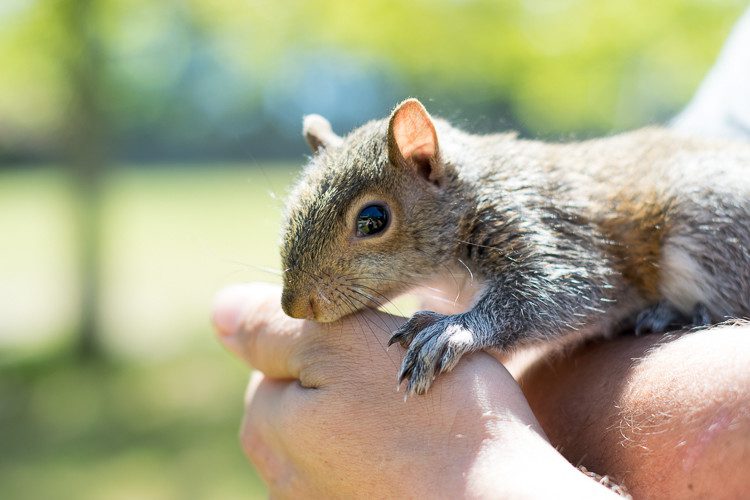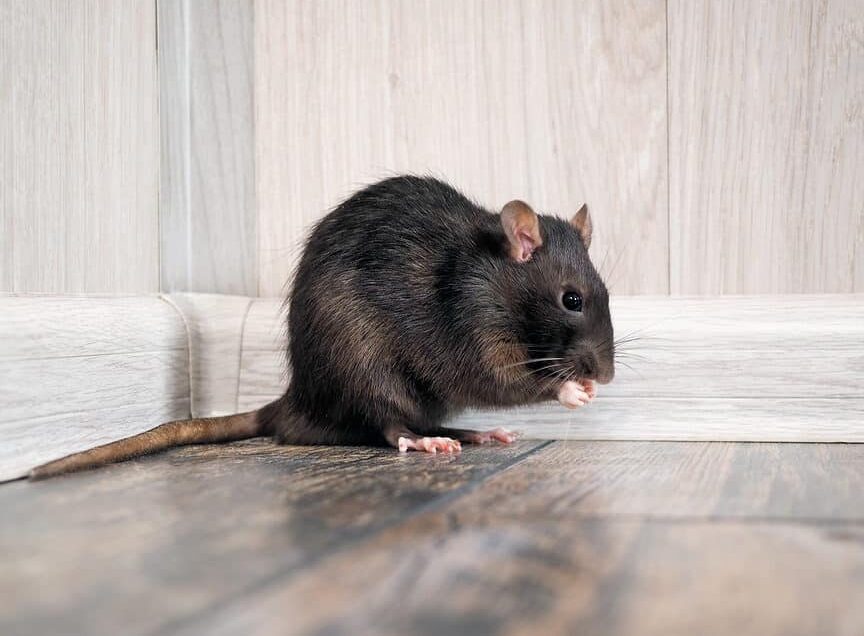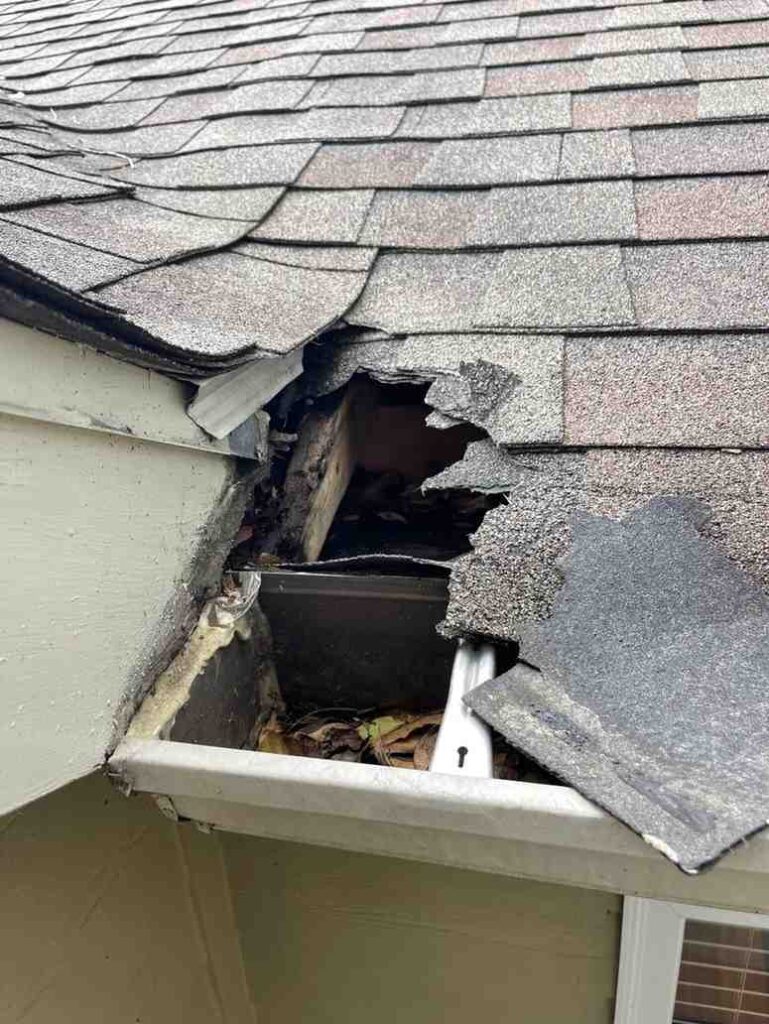
Wildlife can damage a home’s exterior while searching for food, shelter, nesting space, or an entry point into the structure. Siding, soffits, fascia, roof edges, vents, and other roofline components can all become vulnerable when animals repeatedly access or investigate a home. Small damage may eventually create openings that allow wildlife, moisture, or pests to enter.
Recognizing the signs early can help homeowners address the source of the problem before exterior damage becomes a larger structural or repair issue.
What Parts of the Exterior Are Most Vulnerable?
Wildlife does not necessarily enter through the most obvious opening. Animals may exploit weak, damaged, or poorly protected areas around the exterior.
Common vulnerable locations include:
- Siding edges and loose panels
- Soffits and fascia
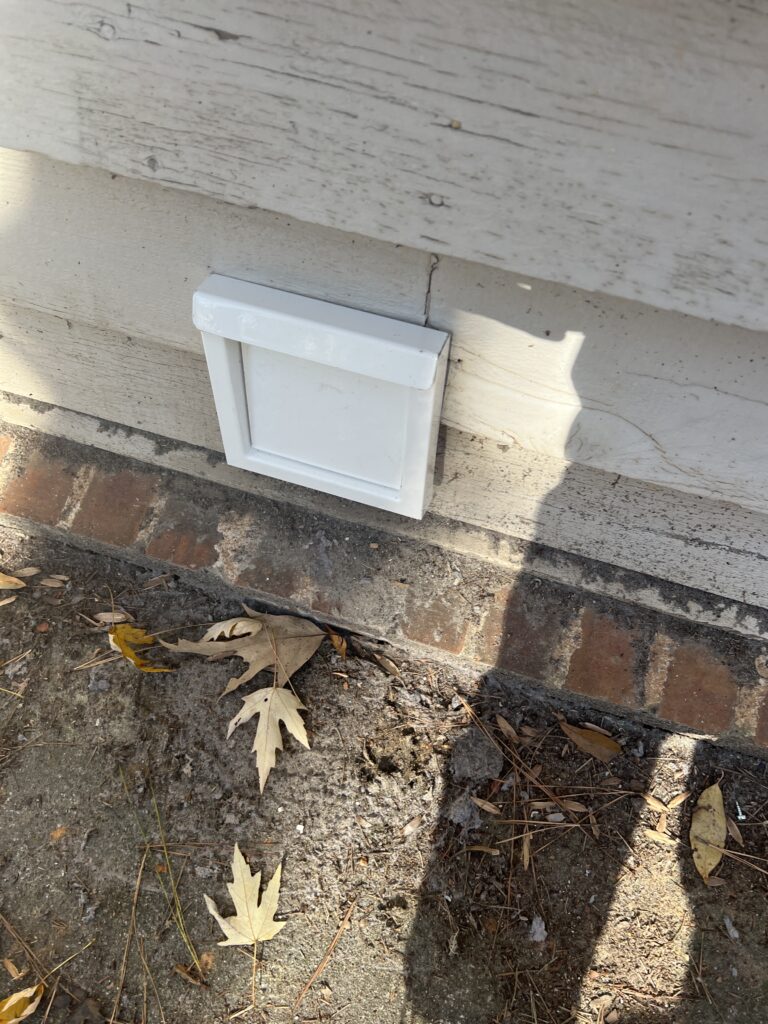
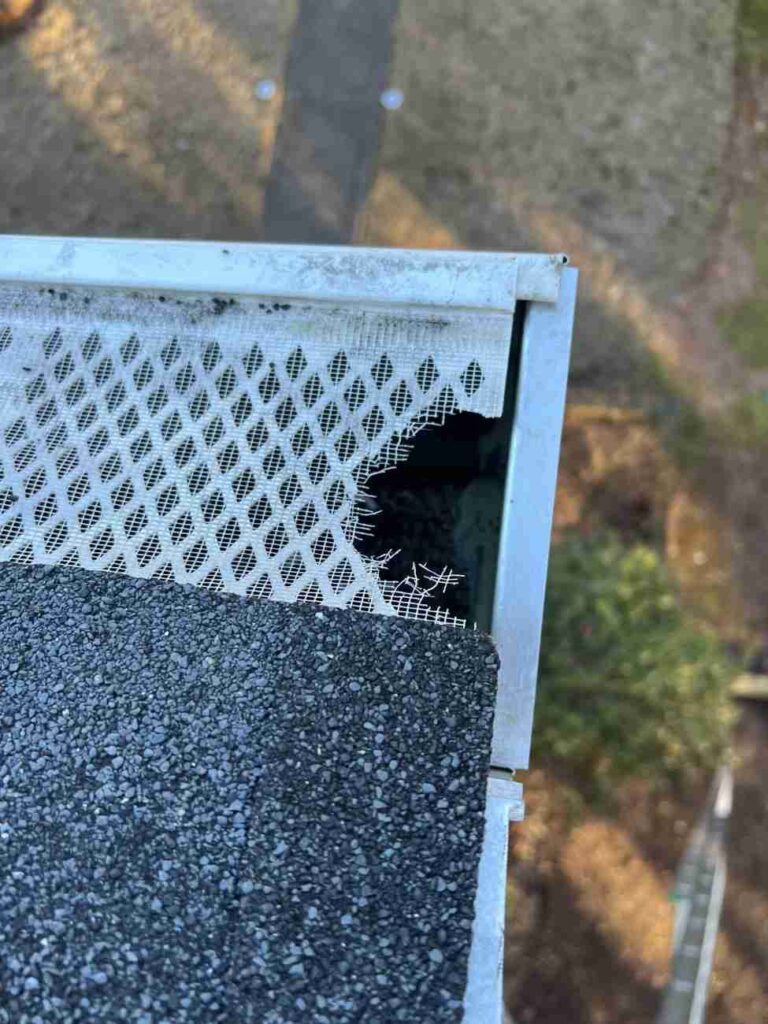
- Roof vents and vent screens
- Roof-to-wall intersections
- Eaves and roof overhangs
- Chimneys and flashing
- Utility penetrations
- Gaps around windows and doors
These areas can provide access to wall cavities, attics, or other protected spaces.
Signs Wildlife May Be Damaging Your Siding
Exterior damage can vary depending on the animal and siding material. Watch for these warning signs:
- Gnaw marks or scratches around siding edges, corners, and openings.
- Loose or displaced siding that appears pulled away from the wall.
- New holes or enlarged gaps that seem to develop over time.
- Dark rub marks along frequently used entry or travel areas.
- Nesting material or debris near siding gaps and exterior openings.
- Droppings or unusual odors around damaged sections.
- Scratching or movement sounds coming from walls or nearby attic areas.
Not every damaged siding panel is caused by wildlife. Storms, moisture, age, and installation problems can create similar damage, so multiple signs together provide stronger evidence of animal activity.
How Wildlife Damages Rooflines
Rooflines are especially important because they can provide direct access to attic spaces.
Animals may climb onto roofs and investigate:
- Loose or damaged shingles
- Roof vents
- Soffit openings
- Fascia boards
- Flashing
- Chimney areas
- Gaps at roof intersections
Repeated activity can loosen materials or enlarge existing openings. Once an opening becomes large enough for an animal to enter, the roofline can become an ongoing access point rather than simply an exterior repair issue.
Why Small Exterior Damage Should Not Be Ignored
A small opening may appear insignificant from the ground, but wildlife can take advantage of surprisingly narrow gaps. Once inside, animals may create additional damage while establishing a nesting or sheltering area.
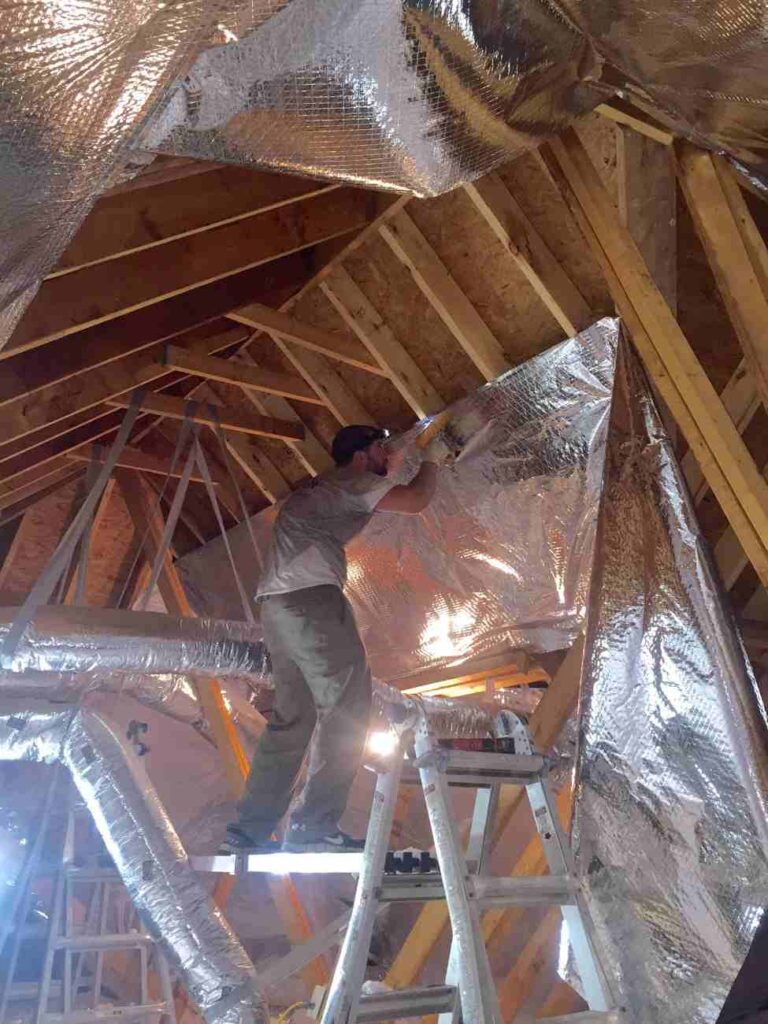
Damage can extend beyond the original entry point to insulation, wiring, ductwork, wood, or other components within the structure.
Moisture can also become a concern when exterior damage exposes underlying areas to rain. For that reason, repairing the visible damage without addressing wildlife access may leave the underlying problem unresolved.
What Types of Damage Can Wildlife Cause?
Different animals can create different types of exterior damage.
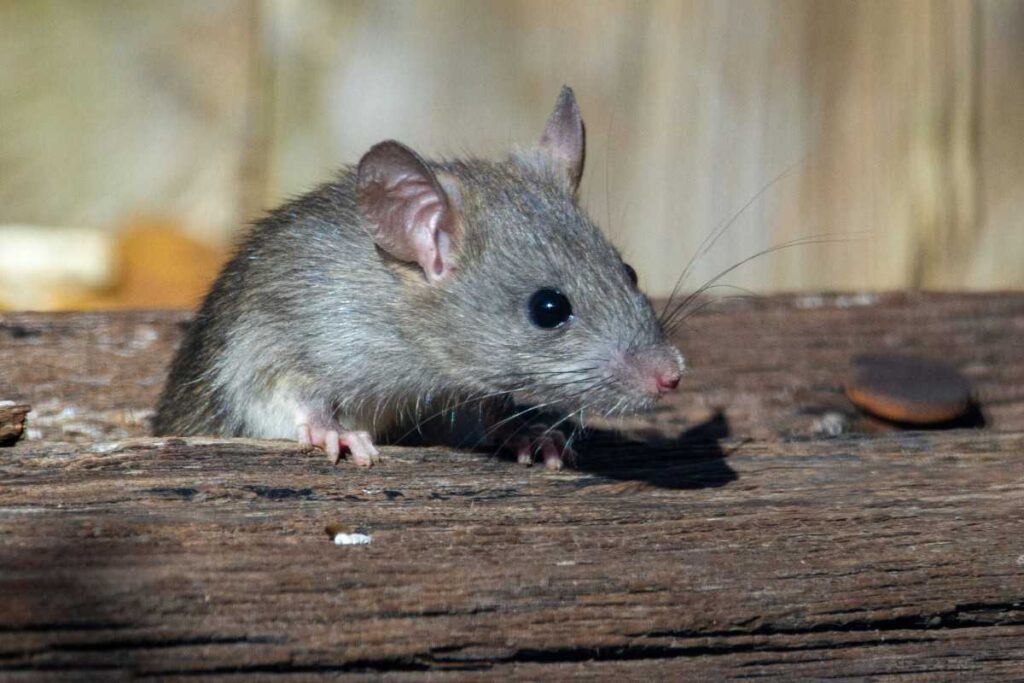
- Gnawing and Chewing - Rodents may chew around potential entry points and can damage softer exterior materials, screens, wiring, or other components.
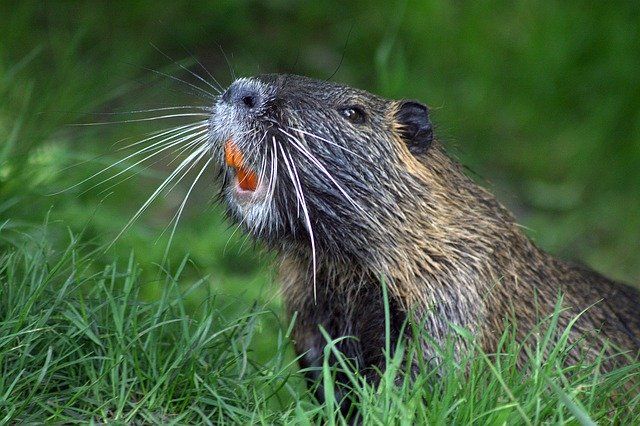
- Scratching and Claw Damage - Larger wildlife may scratch siding, fascia, or other surfaces while attempting to climb or access an opening.
- Pulling and Displacement - Animals may pull at loose siding, soffit materials, insulation, or vent coverings when investigating potential shelter.
- Nesting and Debris - Nesting materials can accumulate around roofline openings, vents, and attic access points. This activity can also leave droppings and other signs around the entry area.
When Is Exterior Wildlife Damage a Bigger Concern?
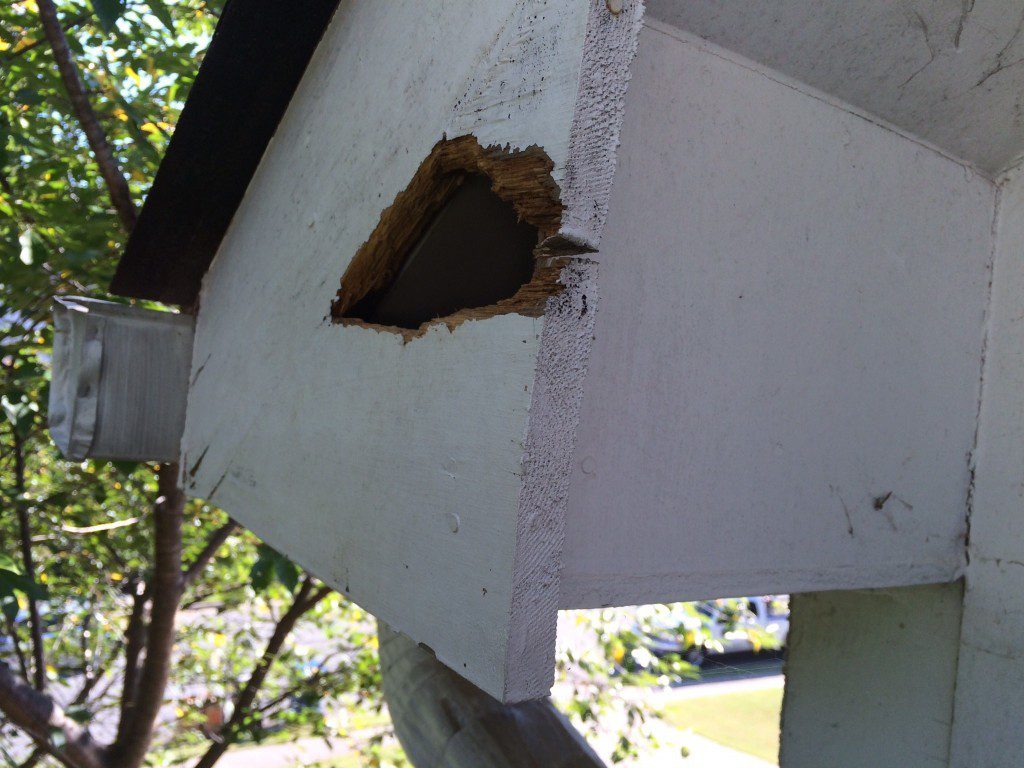
A damaged area deserves prompt attention when you notice an active animal entry point, repeated wildlife activity, exposed interior materials, water intrusion, or damage that continues to worsen.
Pay particular attention when exterior damage is accompanied by sounds inside the attic or walls. Scratching, movement, or repeated activity may indicate that an animal has already entered the structure.
At that point, simply replacing siding or patching a roofline opening may not address the underlying wildlife problem.
What Should Homeowners Do About Wildlife Damage?
Start by identifying whether the damage is active and whether an animal is currently using the opening.
Avoid sealing an opening immediately if an animal may still be inside. Depending on the species and situation, improper exclusion can trap wildlife inside the structure or separate adults from young.
A proper response generally involves:
- Identifying the animal and access point.
- Determining whether wildlife is currently inside.
- Addressing the active wildlife problem.
- Repairing or reinforcing vulnerable exterior areas.
- Checking nearby attic or wall areas for related damage.
- Monitoring the repaired area for renewed activity.
How Can You Prevent Damage to Siding and Rooflines?
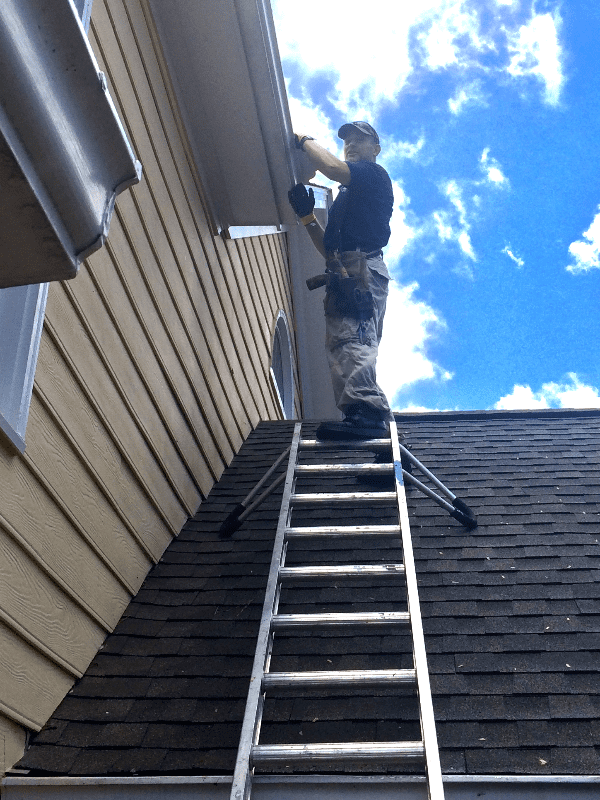
Prevent wildlife damage by regularly checking siding, soffits, fascia, roof vents, flashing, and roofline openings for loose, cracked, or damaged materials. Also inspect gaps around pipes, cables, chimneys, and other exterior penetrations where animals may gain access.
Keep branches and dense vegetation trimmed away from the roofline, and repair exterior damage before small gaps become larger openings. Wildlife exclusion should address the actual entry point, using durable materials suited to the location and animal involved.
After repairs, periodically check the area for new scratches, displaced materials, droppings, or nesting debris. Early detection can help prevent exterior damage from developing into a larger attic or wall-entry problem.
Frequently Asked Questions
Can wildlife chew through siding?
Some animals can damage or manipulate certain siding materials, especially when they are already loose, deteriorated, or damaged. The extent depends on the animal and the material.
What animal causes holes around rooflines?
Rodents, squirrels, raccoons, and other wildlife can use or enlarge openings around rooflines. The damage pattern and other signs can help identify the likely animal.
Can damaged siding let wildlife into the attic?
Yes. A gap or displaced siding section can provide access to wall cavities or other openings that connect to attic spaces.
Should I repair siding before wildlife removal?
If an animal may still be inside, the wildlife situation should generally be assessed before permanently sealing the opening. Otherwise, an animal could become trapped inside.
Can wildlife damage cause roof leaks?
Yes. Damage around roofline components, vents, flashing, or other exterior areas can create pathways for water intrusion. The source should be identified before repairs are completed.
How do I know if roofline damage is caused by wildlife?
Look for gnaw marks, scratches, displaced materials, nesting debris, droppings, or repeated animal activity near the damaged area. An inspection can help distinguish wildlife damage from storm or age-related deterioration.
Protecting Your Home From Wildlife Damage
Wildlife damage to siding and rooflines is often more than a cosmetic issue. An exterior opening can become an entry point into the attic, wall cavity, or other protected area. Identifying the animal, correcting the access point, and repairing related damage can help prevent the problem from returning.
If you notice damaged siding, roofline openings, nesting debris, or signs of wildlife activity, A&A Wildlife & Home Solutions can evaluate the affected areas and help determine the appropriate wildlife removal, exclusion, and repair steps.