Animal damage does not always mean an entire home needs new siding. In some cases, a damaged panel or small section can be repaired. However, when siding has been extensively chewed, cracked, rotted, loosened, or repeatedly damaged by wildlife, replacement may be necessary to restore the exterior barrier.
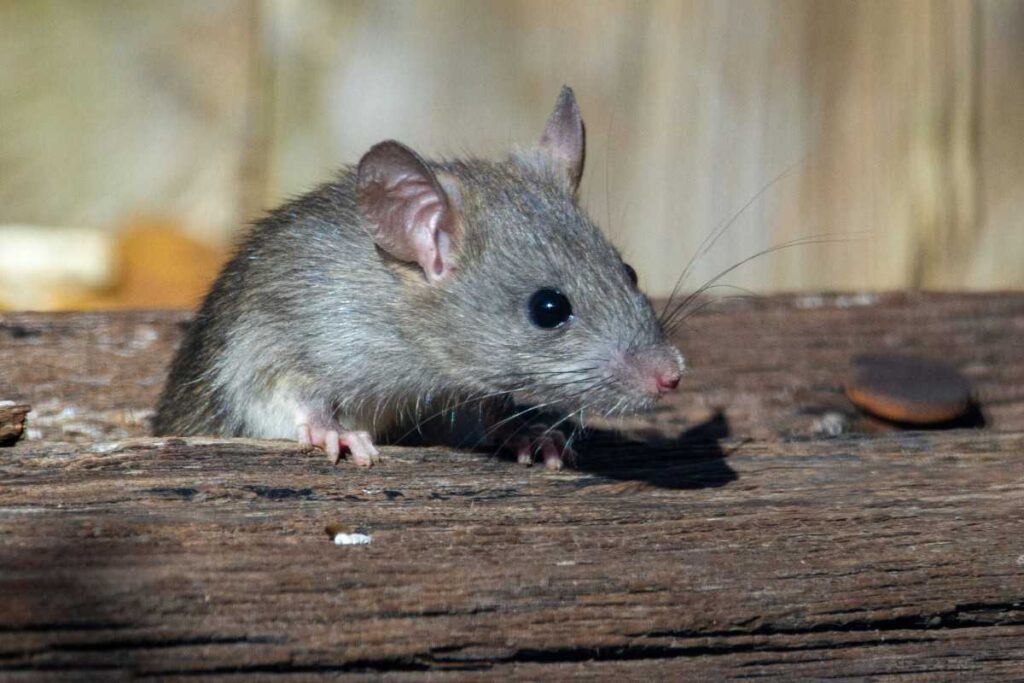
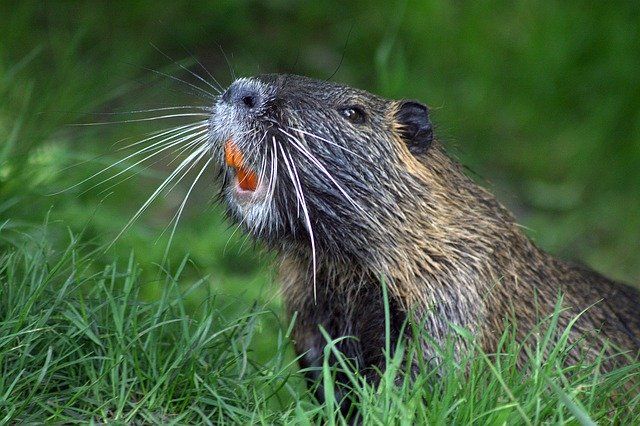
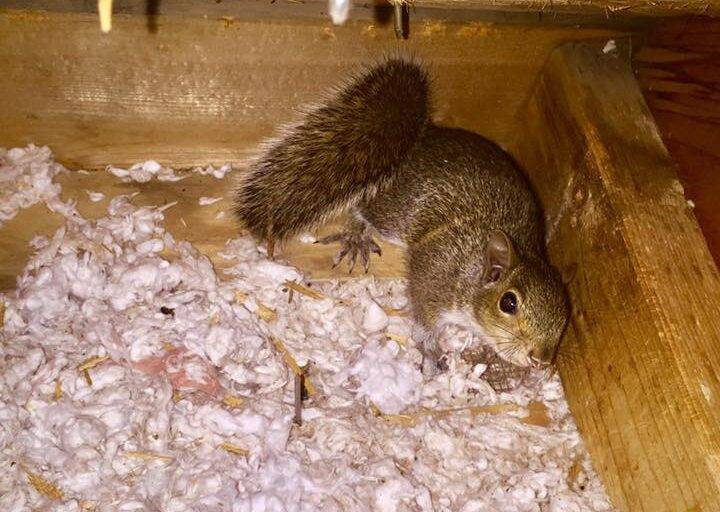
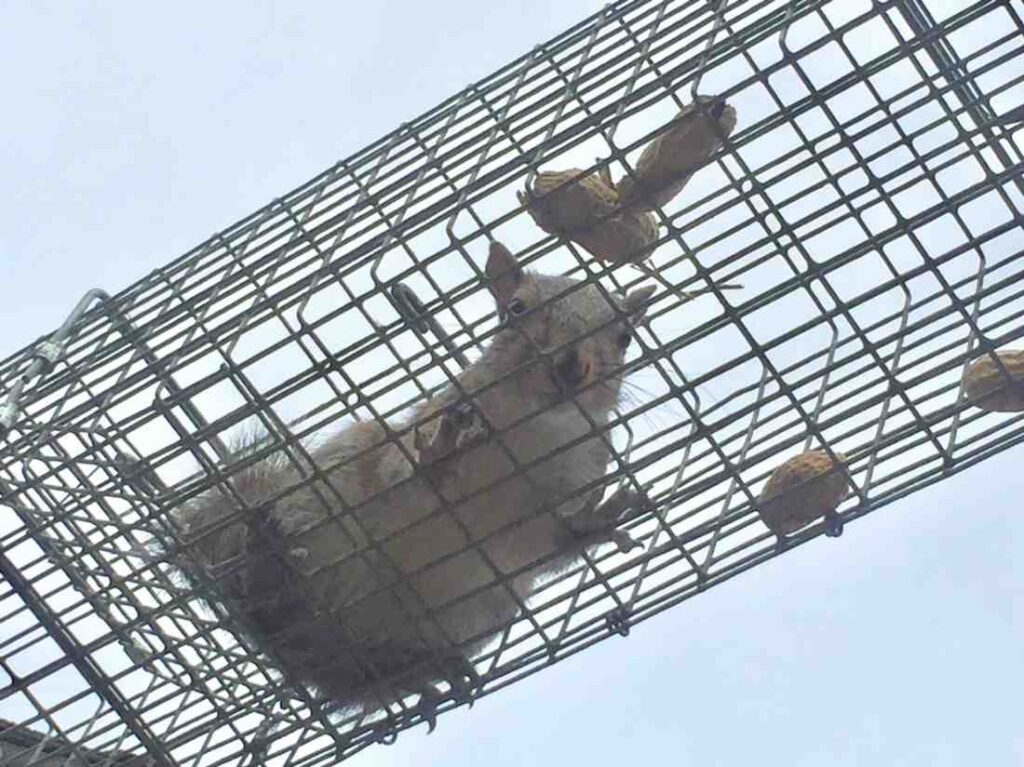
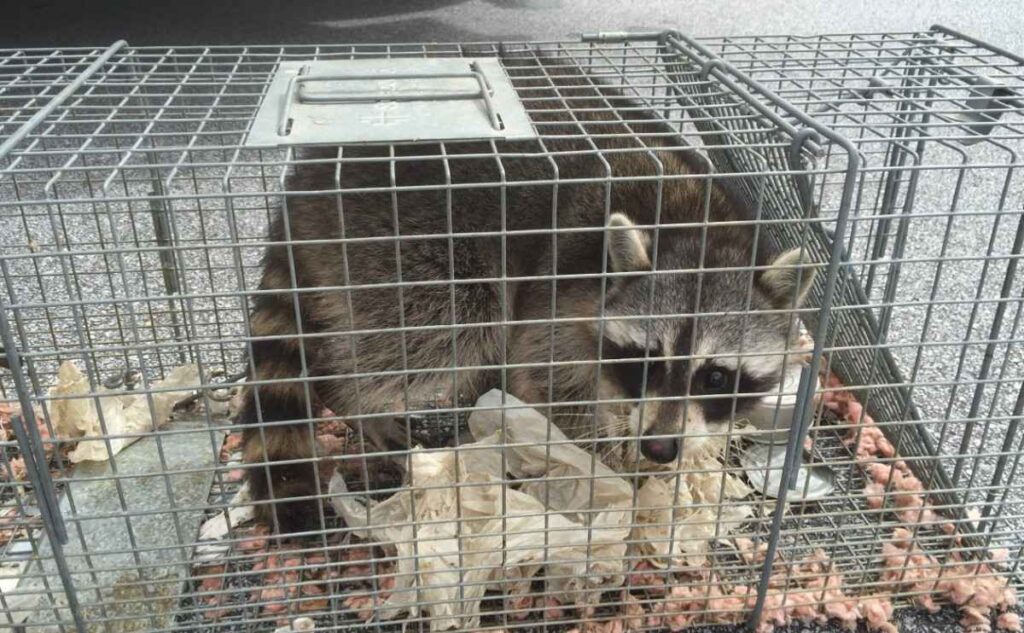
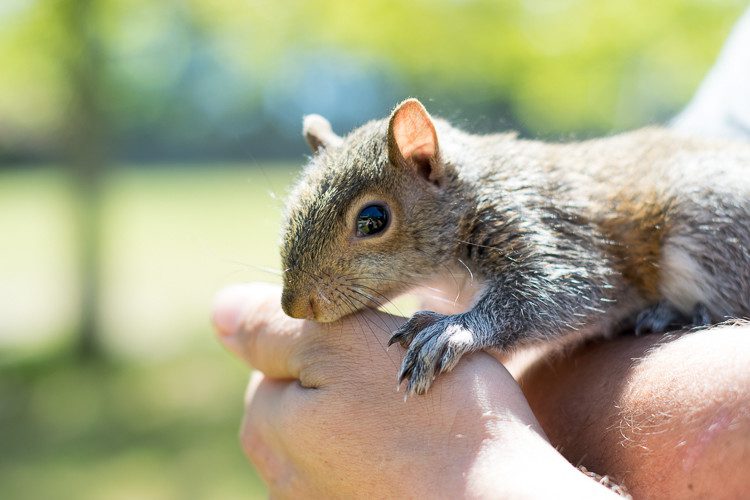
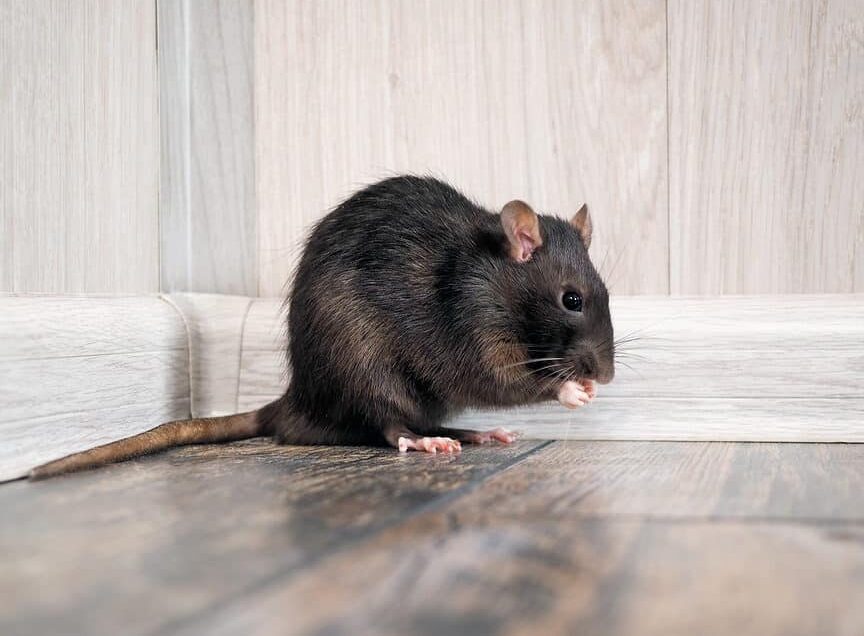
The important step is determining whether the visible damage is only cosmetic or whether the siding and the materials behind it have been compromised. Wildlife such as squirrels, raccoons, and rodents can damage exterior materials while trying to reach protected spaces inside a home. UGA Cooperative Extension notes that squirrels can chew through siding, soffits, and roof materials to gain access to attics.
How Animal Damage Can Affect Siding
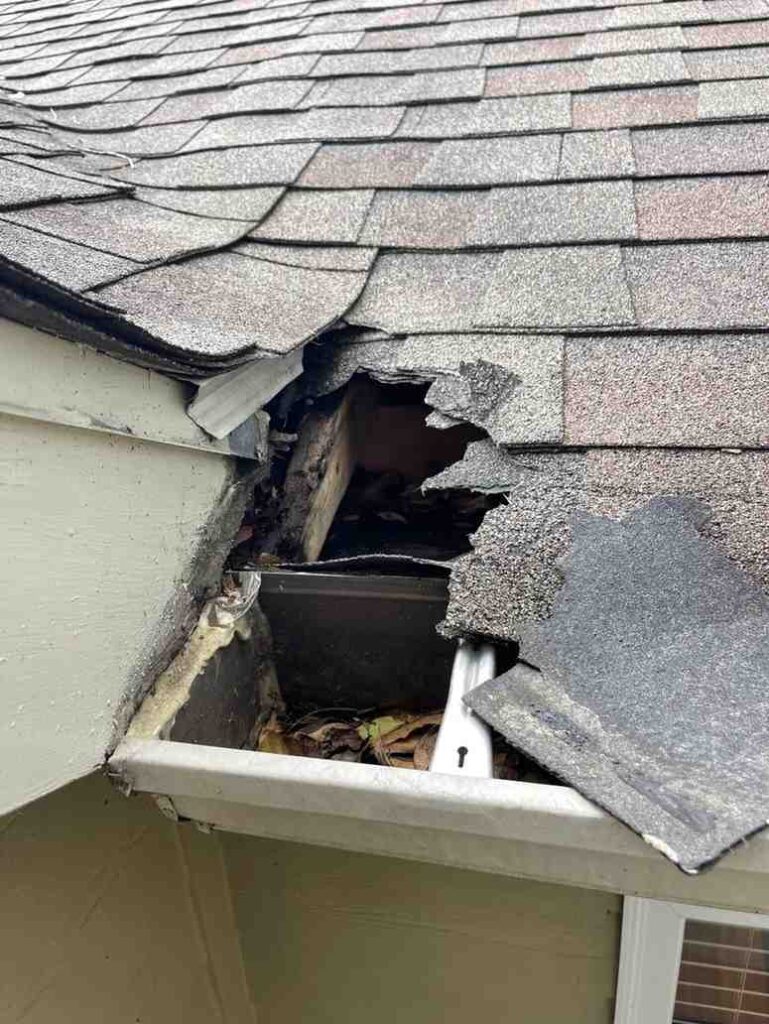
Wildlife can damage siding in several ways. Squirrels may gnaw through exterior materials when attempting to create an entrance, while other animals may scratch, pull, tear, or disturb already weakened sections.
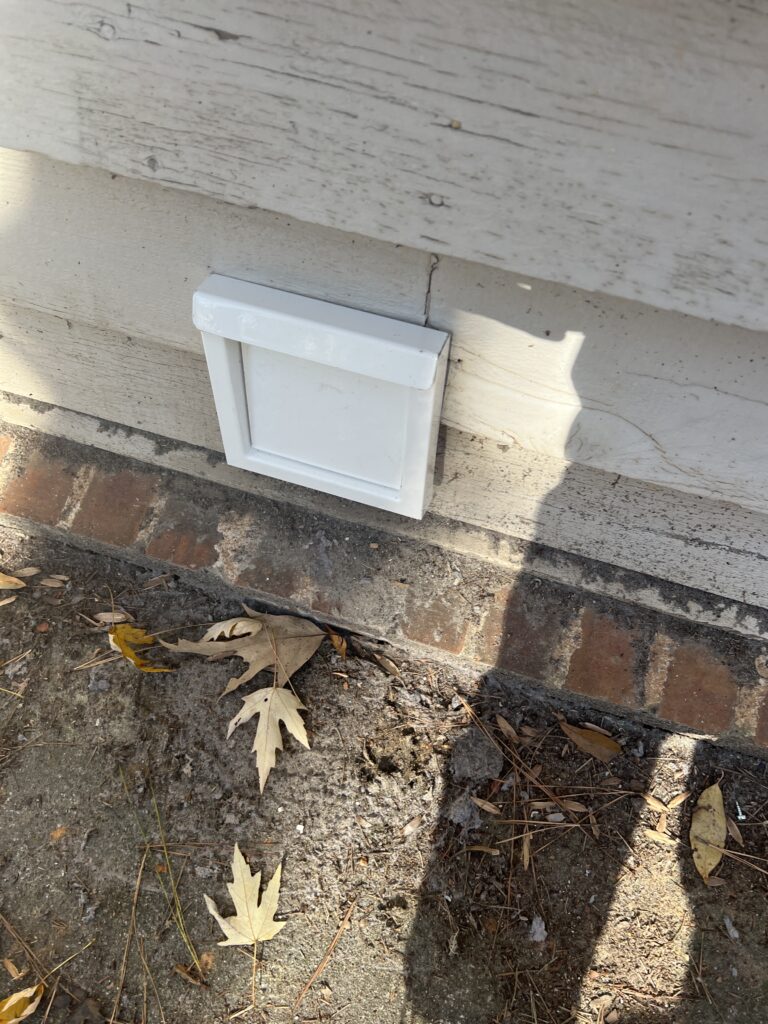
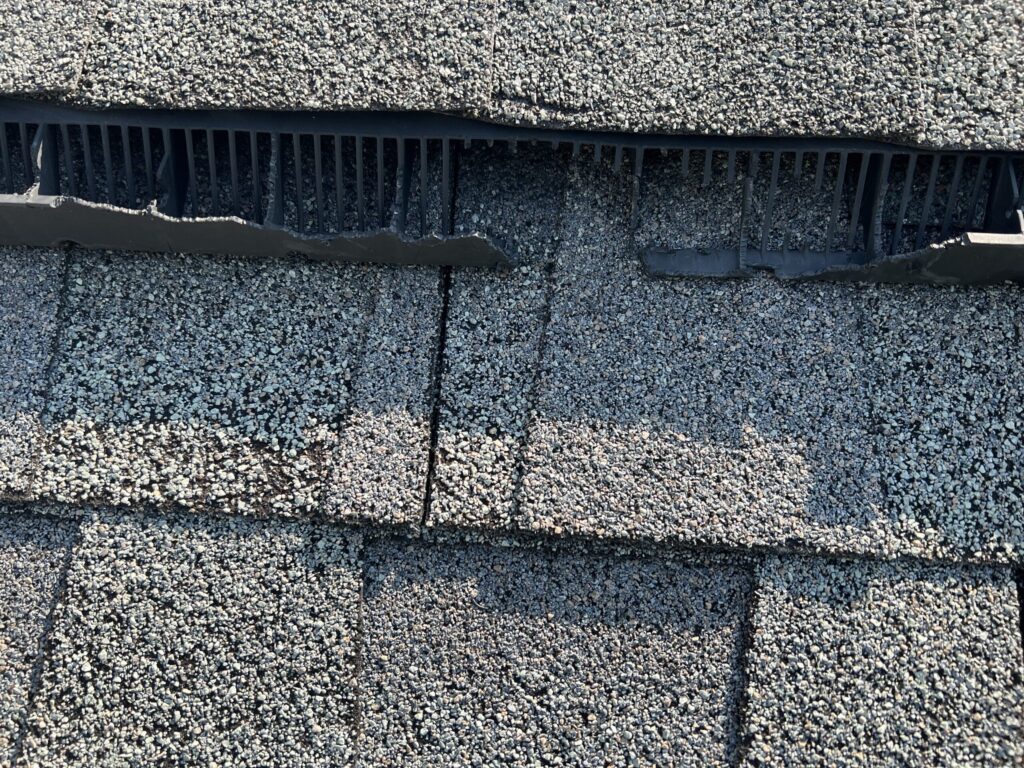
The location of the damage can also provide a clue about what happened. Openings around rooflines, soffits, vents, utility penetrations, and siding transitions can become access points into wall cavities or attic spaces. UGA Extension identifies these types of exterior openings as areas that should be inspected and properly excluded.
Once an opening develops, the problem may become larger than the siding itself. Moisture, drafts, insects, and additional wildlife can gain access through the same vulnerable area.
Signs Your Siding May Need Replacement
Not every scratch or hole requires complete replacement. However, several warning signs indicate that the damaged section may no longer provide reliable exterior protection.
Look for:
- Chewed or broken siding panels
- Cracks extending beyond a small isolated area
- Siding that has become loose or pulled away from the wall
- Warped or visibly distorted panels
- Soft, crumbling, or deteriorated wood siding
- Persistent gaps around damaged sections
- Repeated animal damage in the same location
- Moisture or staining behind or around the damaged siding
A damaged section becomes more concerning when it can no longer remain securely attached or protect the wall underneath.
When a Repair May Be Enough
Localized damage does not automatically require replacement of an entire wall or home exterior. If only one or two panels are damaged and the surrounding siding remains structurally sound, a targeted repair may be appropriate.
For example, a small isolated opening may be repaired when the surrounding material is intact and there is no evidence of moisture damage or deterioration behind it.
However, the animal entry point still needs to be addressed. Simply replacing the visible panel without correcting the opening can leave the same access route available.
UGA Cooperative Extension recommends physical exclusion as an important way to prevent nuisance wildlife from accessing structures.
Why Small Exterior Damage Should Not Be Ignored
A small opening may appear insignificant from the ground, but wildlife can take advantage of surprisingly narrow gaps. Once inside, animals may create additional damage while establishing a nesting or sheltering area.
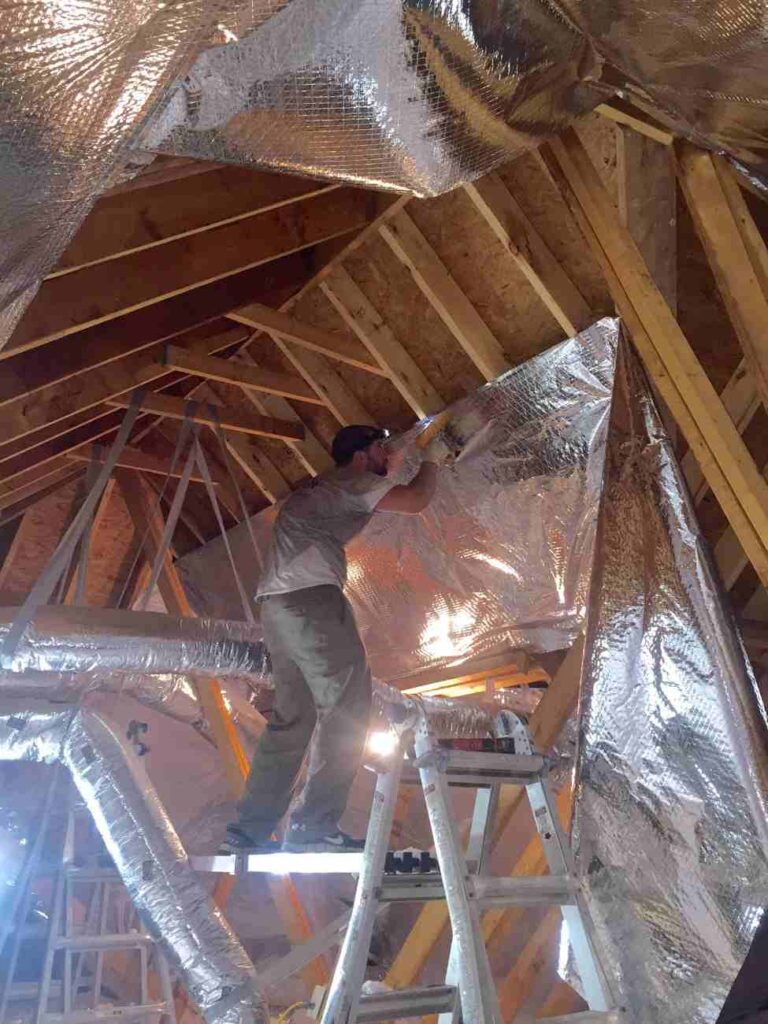
Damage can extend beyond the original entry point to insulation, wiring, ductwork, wood, or other components within the structure.
Moisture can also become a concern when exterior damage exposes underlying areas to rain. For that reason, repairing the visible damage without addressing wildlife access may leave the underlying problem unresolved.
When Siding Replacement Becomes Necessary
Replacement becomes more appropriate when the siding has lost its ability to protect the underlying wall or when damage extends beyond a small repair area.
This may happen when:
- The Material Is Structurally Damaged - Deep chewing, severe cracking, rot, or deterioration can weaken siding beyond a reliable patch repair. Replacing the affected material restores a continuous exterior surface.
- Damage Covers Multiple Sections - If animals have created several openings across the same wall or repeatedly returned to one area, replacing affected sections may provide a more durable result than repeatedly patching them.
- Moisture Has Reached the Wall - A damaged exterior can allow water behind the siding. If moisture has contributed to rot or deterioration, simply covering the visible hole may leave the underlying problem unresolved.
- The Siding No Longer Fits Securely - Warped, separated, or loose panels may create additional pathways for moisture and wildlife. Replacement can restore proper alignment and help close vulnerable gaps.
What Should Be Checked Behind Damaged Siding?
Visible siding damage does not always show the full extent of the problem. During an inspection, the surrounding area should be evaluated for signs of moisture, deterioration, nesting activity, and additional entry points.
Depending on the location, this may include checking:
- The wall surface behind the damaged siding
- Nearby soffits and fascia
- Roofline transitions
- Exterior vents
- Utility penetrations
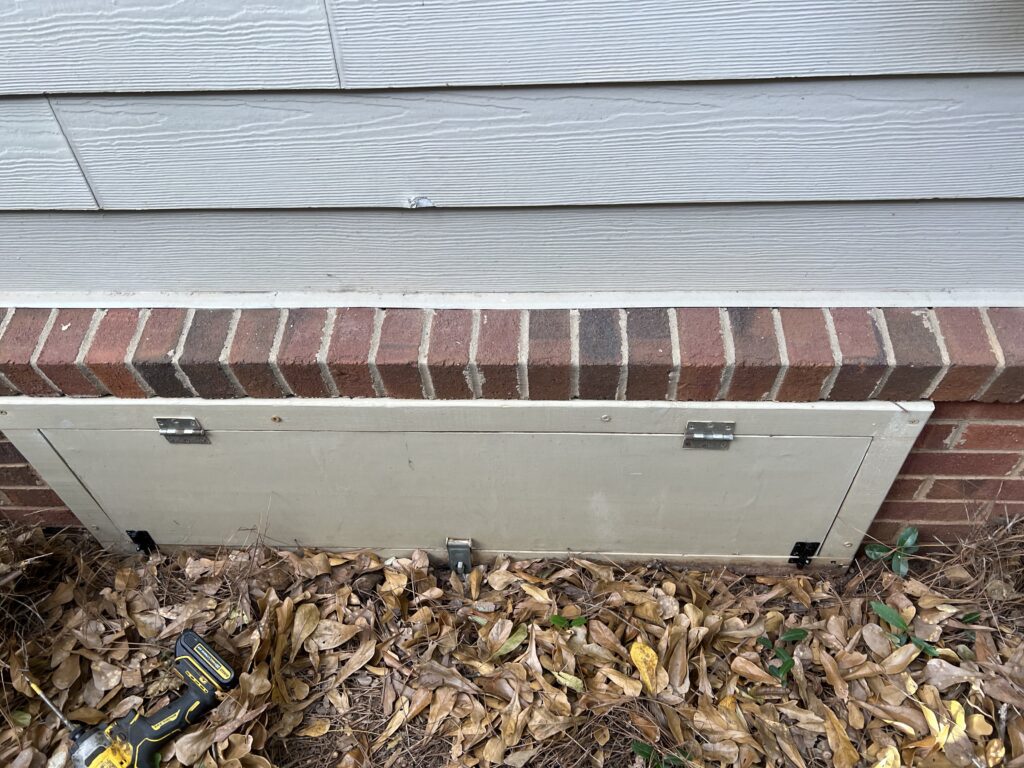
- Foundation or crawlspace openings
- Insulation or nesting material
- Signs of continued wildlife activity
The objective is not simply to make the exterior look new. It is to restore the home’s protective exterior and correct the vulnerability that allowed the damage to occur.
When to Have the Damage Professionally Assessed
Once the damaged material has been repaired or replaced, prevention becomes an important part of the project.
Inspect the exterior regularly for new gaps, loose panels, damaged screens, and openings around pipes or cables. The CDC recommends checking both the interior and exterior of a home for gaps and holes that can allow rodents to enter.
For wildlife, physical exclusion is especially important. UGA Extension recommends maintaining barriers and repairing potential entry locations such as soffit vents, gable openings, chimneys, windows, doors, and utility penetrations.
Keeping vegetation and other potential access routes away from vulnerable areas can also reduce opportunities for animals to reach the roofline.
How to Prevent New Siding Damage
If siding has been damaged by wildlife, determining the extent of the problem can be difficult from the outside. A professional inspection can help establish whether the issue is limited to the siding or extends into the wall, roofline, soffit, fascia, or other areas.
It is especially worth investigating when the damage keeps returning, an entry hole is visible, animals are still active, or moisture damage is present.
A&A Wildlife & Home Solutions provides animal damage repair and siding replacement services as part of its wildlife restoration and home protection work. The company can assess visible damage while looking for the entry points that need to be addressed.
Frequently Asked Questions
Can animal-damaged siding always be repaired?
No. Minor, isolated damage may be repairable, while severely damaged, deteriorated, or repeatedly compromised siding may require replacement.
Can new siding prevent animals from returning?
New siding alone does not prevent wildlife entry. The underlying entry points must also be identified and properly excluded so animals cannot access the same area again.
Can there be damage behind the siding?
Yes. If an opening has allowed water or wildlife into the wall assembly, there may be hidden deterioration, moisture damage, or nesting material behind the visible siding.
Should damaged siding be replaced immediately?
The urgency depends on the extent and location of the damage. Openings that allow wildlife or moisture to enter should be evaluated promptly to prevent the problem from expanding.
How can you tell if animal damage to siding is recent?
Fresh damage may have sharp edges, exposed material, fresh chew marks, disturbed debris, or nearby signs of current wildlife activity. Older damage may appear weathered, discolored, or partially deteriorated.
Restore the Exterior and Address the Cause
Animal damage to siding is often a sign that wildlife has found a vulnerable point in the home’s exterior. Replacing damaged siding is only part of the solution when an entry route remains.
A&A Wildlife & Home Solutions can inspect the affected area, identify potential wildlife access points, and help restore damaged exterior materials so your home is better protected against future problems.